


Industrial Sorbents & Spill Control Products
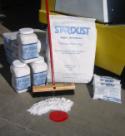
- materials: polypropylene, corn cob fiber, cellulose, chemical neutralizing compounds
- configurations: socks, pads, rolls, pillows, booms, drumtop pads, drip pans, loose sorbents
- applications: oil-only, universal, hazmat, chemical spill containment
- compliance: industrial spill control for osha, epa, and facility safety programs
- usage areas: warehouses, manufacturing plants, chemical storage, maintenance shops, transportation facilities

Featured Products
Product Comparison
Spill Control Product Configurations
Industrial sorbents are manufactured in multiple configurations to address different spill containment and cleanup requirements. Absorbent socks are flexible tubular barriers designed to surround leaks, machinery, or spill zones. These products help prevent liquid migration while simultaneously absorbing fluids. Absorbent booms are larger containment devices commonly used for outdoor or water-based spill control applications involving fuels, oils, and hydrocarbons. Pads and rolls provide flat absorbent surfaces for routine maintenance, workstation protection, and emergency spill cleanup. Rolls are commonly used in long aisles, production lines, and walkways where continuous surface coverage is required. Pillows are engineered for high-capacity absorption beneath leaking valves, pumps, and industrial equipment where fluid accumulation is concentrated.
Material Engineering and Absorbent Technologies
Most industrial absorbents are manufactured using melt-blown polypropylene fibers due to their high surface area and liquid retention properties. Universal absorbents are designed to absorb water-based fluids, oils, solvents, and coolants simultaneously. Oil-only absorbents use hydrophobic polypropylene materials that repel water while attracting petroleum-based liquids, making them suitable for outdoor environments and water surfaces. Corn cob sorbents utilize natural organic media for industrial leak control and floor dry applications. These materials are commonly used for non-aggressive liquids and maintenance cleanup. Hazmat absorbents contain chemically resistant fibers and additives designed for acids, caustics, and hazardous chemical spills. Acid-neutralizing sorbents may include alkaline compounds that help stabilize acidic liquids during spill response procedures.
Regulatory and Workplace Safety Requirements
Spill control products are commonly integrated into OSHA, EPA, and SPCC (Spill Prevention, Control, and Countermeasure) compliance programs. Industrial facilities handling oils, fuels, chemicals, or hazardous liquids are often required to maintain spill response materials near storage and transfer locations. Oil-only booms and absorbents are frequently used around storm drains, loading docks, and outdoor storage areas to reduce environmental contamination risks. Hazmat absorbents are color-coded for chemical spill identification and are commonly included in emergency spill response kits used in chemical plants, laboratories, and transportation operations. Facilities may also use absorbent drum-top pads and drip pans to minimize slip hazards and reduce contamination around storage drums and dispensing systems. Proper absorbent selection depends on the chemical compatibility and disposal requirements associated with the absorbed material.
Industrial Applications and Facility Use Sorbent products are widely used across manufacturing, automotive, aerospace, chemical processing, transportation, marine, and utility industries. Maintenance departments use absorbent pads and socks for hydraulic fluid leaks, coolant drips, and lubrication spills around machinery and equipment. Chemical processing facilities often utilize hazmat absorbents for corrosive liquids and aggressive chemical handling areas. Warehouses and drum storage facilities commonly deploy drum-top pads, drip pans, and spill socks near dispensing stations to contain leaks before they spread across floors. Oil-only booms and absorbent rolls are frequently used in outdoor applications involving fuel storage tanks, marine docks, and stormwater management areas. Loose sorbents and floor dry materials are commonly applied to traffic lanes, forklift routes, and maintenance bays where recurring spills occur.
Selection Criteria for Industrial Sorbents
Selecting the correct sorbent product requires evaluating liquid type, spill volume, environmental conditions, and disposal requirements. Oil-only absorbents should be used for hydrocarbon spills in wet environments, while universal absorbents are suited for mixed industrial liquids. Hazmat absorbents are required when handling aggressive chemicals or unknown substances. Facilities should also consider absorbent weight classifications, including single-weight, medium-weight, and heavy-weight materials based on expected saturation levels and durability requirements. Outdoor applications may require UV-resistant containment products and hydrophobic materials that maintain performance during rain exposure. Other considerations include storage space, deployment speed, chemical compatibility, and whether the absorbent will be used for routine maintenance or emergency spill response operations.
| Product Type | Primary Use | Absorbs | Typical Application |
|---|---|---|---|
| CornCob Socks | Perimeter Spill Containment | Oil and General Liquids | Machinery and Leak Control |
| Absorbent Socks | Spill Containment | Oils, Coolants, Chemicals | Maintenance Areas |
| Absorbent Pads | Surface Absorption | Universal or Hazmat Liquids | Workstations and Drum Areas |
| Absorbent Pillows | High-Volume Absorption | Large Fluid Leaks | Under Equipment and Valves |
| Absorbent Rolls | Wide Area Coverage | Oil, Water, Chemicals | Walkways and Production Floors |
| Oil Only Booms | Outdoor Spill Containment | Hydrocarbons | Ponds, Drains, Outdoor Areas |
| DrumTop Pads | Drum Spill Prevention | Leaks and Residue | 55-Gallon Drums |
| Drip Pans | Leak Collection | Liquids and Drips | Equipment and Containers |
Spill Control Product Configurations
Industrial sorbents are manufactured in multiple configurations to address different spill containment and cleanup requirements. Absorbent socks are flexible tubular barriers designed to surround leaks, machinery, or spill zones. These products help prevent liquid migration while simultaneously absorbing fluids. Absorbent booms are larger containment devices commonly used for outdoor or water-based spill control applications involving fuels, oils, and hydrocarbons. Pads and rolls provide flat absorbent surfaces for routine maintenance, workstation protection, and emergency spill cleanup. Rolls are commonly used in long aisles, production lines, and walkways where continuous surface coverage is required. Pillows are engineered for high-capacity absorption beneath leaking valves, pumps, and industrial equipment where fluid accumulation is concentrated.
Material Engineering and Absorbent Technologies
Most industrial absorbents are manufactured using melt-blown polypropylene fibers due to their high surface area and liquid retention properties. Universal absorbents are designed to absorb water-based fluids, oils, solvents, and coolants simultaneously. Oil-only absorbents use hydrophobic polypropylene materials that repel water while attracting petroleum-based liquids, making them suitable for outdoor environments and water surfaces. Corn cob sorbents utilize natural organic media for industrial leak control and floor dry applications. These materials are commonly used for non-aggressive liquids and maintenance cleanup. Hazmat absorbents contain chemically resistant fibers and additives designed for acids, caustics, and hazardous chemical spills. Acid-neutralizing sorbents may include alkaline compounds that help stabilize acidic liquids during spill response procedures.
Regulatory and Workplace Safety Requirements
Spill control products are commonly integrated into OSHA, EPA, and SPCC (Spill Prevention, Control, and Countermeasure) compliance programs. Industrial facilities handling oils, fuels, chemicals, or hazardous liquids are often required to maintain spill response materials near storage and transfer locations. Oil-only booms and absorbents are frequently used around storm drains, loading docks, and outdoor storage areas to reduce environmental contamination risks. Hazmat absorbents are color-coded for chemical spill identification and are commonly included in emergency spill response kits used in chemical plants, laboratories, and transportation operations. Facilities may also use absorbent drum-top pads and drip pans to minimize slip hazards and reduce contamination around storage drums and dispensing systems. Proper absorbent selection depends on the chemical compatibility and disposal requirements associated with the absorbed material.
Industrial Applications and Facility Use Sorbent products are widely used across manufacturing, automotive, aerospace, chemical processing, transportation, marine, and utility industries. Maintenance departments use absorbent pads and socks for hydraulic fluid leaks, coolant drips, and lubrication spills around machinery and equipment. Chemical processing facilities often utilize hazmat absorbents for corrosive liquids and aggressive chemical handling areas. Warehouses and drum storage facilities commonly deploy drum-top pads, drip pans, and spill socks near dispensing stations to contain leaks before they spread across floors. Oil-only booms and absorbent rolls are frequently used in outdoor applications involving fuel storage tanks, marine docks, and stormwater management areas. Loose sorbents and floor dry materials are commonly applied to traffic lanes, forklift routes, and maintenance bays where recurring spills occur.
Selection Criteria for Industrial Sorbents
Selecting the correct sorbent product requires evaluating liquid type, spill volume, environmental conditions, and disposal requirements. Oil-only absorbents should be used for hydrocarbon spills in wet environments, while universal absorbents are suited for mixed industrial liquids. Hazmat absorbents are required when handling aggressive chemicals or unknown substances. Facilities should also consider absorbent weight classifications, including single-weight, medium-weight, and heavy-weight materials based on expected saturation levels and durability requirements. Outdoor applications may require UV-resistant containment products and hydrophobic materials that maintain performance during rain exposure. Other considerations include storage space, deployment speed, chemical compatibility, and whether the absorbent will be used for routine maintenance or emergency spill response operations.

