


Bag Heat Sealers | Industrial Impulse & Constant Heat Tools
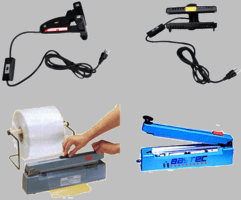
- Material Compatibility: PE, PP, Mylar, Foil, and Kraft Laminates.
- Sealing Methods: Impulse (Instant) and Constant Heat (Hot Jaw).
- Seal Width Range: 5mm to 14.2mm for varying barrier requirements.
- Equipment Format: Handheld, Tabletop, and Foot-Pedal Operated.

$179.98
$200.00
(You Save 10%)$52.95$59.95(You Save 12%)
| Buy More, Save More! | ||
|---|---|---|
| Quantity | Price Each | You Save |
| 1 - 2 pieces | $52.95 ea. | $7.00 (12%) |
| 3 - 5 pieces | $43.95 ea. | $16.00 (27%) |
| 6+ pieces | $37.95 ea. | $22.00 (37%) |
$209.98
$249.95
(You Save 16%)| Product Name | Sealer Type | Seal Length | Seal Width | Key Features |
|---|---|---|---|---|
| 6" Hot Jaw™ Mylar Bag Heat Sealer | Constant Heat | 6" (152mm) | 14.2mm | PTFE-Coated, Mylar optimized |
| Impulse 20" (500mm) Heat Sealer | Impulse | 20" (500mm) | 5mm | Instant heat-up, tabletop design |
| Chain Pedal Kit | Accessory | N/A | N/A | Converts handheld to foot-operated |
Mechanism Differences: Impulse vs. Constant Heat Bag sealing technology is divided into two primary mechanical categories: impulse and constant heat. Impulse sealers utilize a high-voltage burst of electricity through a nichrome wire to generate heat instantly, followed by a cooling phase while the seal is held under pressure. This method is energy-efficient and ideal for single-layer plastics like PE and PP. Constant heat sealers, such as the Hot Jaw™ series, maintain a steady temperature across heavy-duty bars. These are necessary for multi-layer laminates and high-barrier foil bags that require a sustained thermal transfer to bond the internal layers through thicker substrates.
Thermal Conductivity and Barrier Management The effectiveness of a seal is dictated by the interaction between the heating element and the bag material. Industrial sealers often utilize PTFE (Polytetrafluoroethylene) covers or coatings to act as a release agent, preventing molten plastic from adhering to the heating bars. For high-density materials like Mylar, sealers must provide a wider seal footprint—often exceeding 14mm—to ensure the structural integrity of the barrier. The gauge of the heating element and the tension of the spring-loaded sealing arm determine the pressure distribution, which is critical for preventing "leakers" in liquid or vacuum-sealed applications.
Compliance and Safety Specifications Heat sealing equipment must adhere to specific electrical and safety standards to ensure operational safety in industrial settings. Many units are built to meet UL or CE certification requirements for electrical components. In food-processing environments, the contact surfaces of the sealers must be non-reactive; stainless steel components and food-grade PTFE coatings are standard to comply with FDA regulations regarding indirect food contact. Furthermore, UN-rated packaging for hazardous materials often requires specific seal widths and strengths to meet DOT (Department of Transportation) drop-test and pressure-differential standards.
Sector-Specific Deployment Heat sealers are utilized across diverse sectors including pharmaceuticals, agriculture, and electronics. In the pharmaceutical industry, impulse sealers create tamper-evident barriers for medical components. In agricultural sectors, constant heat sealers are used to package seeds and fertilizers in thick, moisture-resistant foil bags to prevent degradation. The electronics industry utilizes anti-static bag sealers to protect sensitive components from electrostatic discharge (ESD) while maintaining a vacuum or nitrogen-purged environment. Food service industries utilize these tools for long-term storage of dry goods in Mylar to extend shelf life.
Technical Factors for Implementation Choosing the correct heat sealer requires an analysis of material thickness (mil), production volume, and required seal strength. Material thickness is the primary determinant: thin films (<6 mil) are suited for impulse technology, while thicker laminates or gusseted bags often require the penetration depth of a constant heat source. For high-frequency sealing tasks, the addition of a pedal and chain kit allows for hands-free operation, increasing throughput and ensuring consistent alignment. Buyers must also consider the "dwell time"—the duration the material remains under heat and pressure—to avoid burn-through or weak seals in high-speed environments.

