


Stackable Totes and Storage Systems | Industrial Tanks
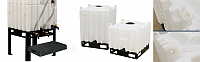
- Material Composition: High-Density Polyethylene (HDPE), Galvanized Steel, and Polypropylene components.
- Size/Capacity Range: 70-Gallon to 120-Gallon individual tank capacities.
- Compliance/Ratings: Chemical-resistant construction for industrial fluid management.
- System Types: Vertical stackable tanks, skid bases, and modular plumbing kits.

$558.98
$658.00
(You Save 15%)$381.94
$424.38
(You Save 10%)$213.79
$237.55
(You Save 10%)$188.99
$209.99
(You Save 10%)$179.21
$199.12
(You Save 10%)$39.37
$43.74
(You Save 10%)$216.93
$241.03
(You Save 10%)$292.82
$325.36
(You Save 10%)| Product Name | Category/Type | Capacity/Component |
|---|---|---|
| 70 Gallon Stackable Totes | Storage Tank | 70 Gallons |
| 120 Gallon Stackable Totes | Storage Tank | 120 Gallons |
| Tote Skid Stackable Totes | Support Base | Universal Fit |
| Leg Kit for Tote Skid Stackable Totes | Height Extension | Standard Set |
| Drip Tray Kit Stackable Totes | Secondary Containment | Spill Prevention |
| Plumbing Kit for Single Tank | Fluid Distribution | 1-Tank Connection |
| Plumbing Kit for Two Tanks | Fluid Distribution | 2-Tank Connection |
| Plumbing Kit for Three Tanks | Fluid Distribution | 3-Tank Connection |
Vertical Integration and Modular Design Stackable tote systems are configured to utilize vertical cubic space rather than square footage. The 70-gallon and 120-gallon tanks feature molded-in nesting grooves that allow for secure alignment when positioned atop one another. A complete configuration typically begins with a tote skid, which serves as the structural foundation, often elevated by a leg kit to allow for gravity-feed dispensing from the bottom tank. This modularity enables users to customize storage volume by adding or removing units based on inventory requirements without altering the system's overall footprint.
Polyethylene Properties and Structural Support The primary vessels are manufactured through a rotational molding process using high-density polyethylene (HDPE). This material is selected for its high strength-to-density ratio and resistance to a broad range of industrial chemicals, including petroleum products and synthetic lubricants. The tanks are UV-stabilized to prevent degradation in environments with high light exposure. Structural components, such as the tote skids and leg kits, are constructed from heavy-gauge galvanized or powder-coated steel to support the static load of multiple filled tanks, which can exceed several thousand pounds when fully stacked.
Compliance and Fluid Safety While these stackable totes are designed for stationary storage, they must adhere to specific industrial safety standards regarding fluid containment. HDPE resins used in construction often meet FDA requirements for specific fluid types, though compatibility must be verified via chemical resistance charts. For environmental compliance and OSHA safety standards, drip tray kits are utilized as secondary containment measures. These trays are engineered to capture incidental leaks or spills during the dispensing process, preventing hazardous floor conditions and ensuring adherence to local environmental runoff regulations.
Sector-Specific Utility In automotive and fleet maintenance facilities, stackable totes are utilized for the organization of motor oils, hydraulic fluids, and transmission fluids. The tiered system allows for different fluid grades to be stored in the same vertical column. In manufacturing environments, these systems house coolants and bulk solvents required for machining processes. Agricultural operations utilize HDPE stackable tanks for the storage of non-combustible fertilizers and pesticides. The ability to integrate multi-tank plumbing kits allows for centralized filling and dispensing points, reducing the logistical complexity of fluid handling in high-volume settings.
Technical Factors for Implementation Selection of a stackable tote system requires an analysis of fluid viscosity and chemical compatibility. High-viscosity fluids may require larger diameter plumbing kits or pump assistance, while corrosive chemicals necessitate a review of the HDPE resin grade. Buyers must also calculate the total ceiling clearance and floor load-bearing capacity, particularly when stacking 120-gallon units three-high. The inclusion of accessories, such as drip trays and specific plumbing kits for single, double, or triple tank arrays, is determined by the required dispensing flow rate and the necessity for secondary spill containment in the designated workspace.

