Industrial Supplies

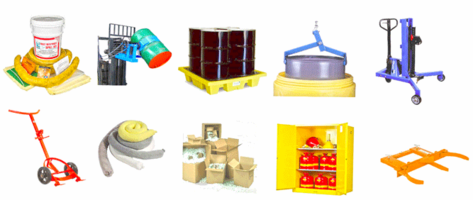
The facility management segment provides essential infrastructure through various corrugated shipping boxes and packing accessories. Additionally, the safety division supports regulatory compliance by providing Personal Protective Equipment (PPE), OSHA-compliant first aid kits, and comprehensive spill containment systems.
1. Heaters: Drum & IBC
2. Facility Management
3. Packaging & Shipping Supplies
4. Safety Equipment & Supplies
. BriskHeat® Heating and Viscosity Control The BriskHeat® product line provides essential thermal management for industrial liquids, specifically addressing freeze protection and viscosity control. These heaters are designed to ensure that substances such as resins, oils, and chemicals maintain optimal flow rates regardless of ambient temperatures. For standard 30- and 55-gallon drums, silicone rubber heaters are the industry standard due to their flexibility and durability. These units feature two extra-thick layers of fiberglass-reinforced silicone rubber, providing high dielectric strength and chemical resistance. A key technical feature is the 360° grounded heating element, which meets NEC 427.23 safety standards and ensures uniform heat distribution.
For larger scale operations, IBC Tote Tank Heaters utilize wrap-around blankets that are often dual-zoned. This allows users to control heat independently for the top and bottom of the tank, which is particularly useful as the fluid level drops. These blankets typically provide 1440W to 1800W of power and include 1-inch thick fiberglass insulation to maximize energy efficiency and reduce heat-up times. Advanced digital controllers offer audible and visual alarms for precise process monitoring. Specialized hazardous-area models are also available, carrying FM and ATEX certifications for Class I Division 2 environments. These units are moisture and chemical resistant with an IP54 rating, making them suitable for both indoor and outdoor wash-down environments. Proper application requires placing heaters below the fill level to prevent element burnout and ensure efficient heat transfer to the contents.
2. Facility Management and Packaging Supplies Effective facility management integrates people, processes, and place to ensure the functionality and efficiency of the built environment. A major component of this is logistics and asset management, which relies heavily on high-quality packaging and labeling systems. Industrial packaging goes beyond basic transport protection; it is engineered for shock, vibration, and temperature resistance to safeguard expensive or sensitive equipment. The inventory includes a wide range of corrugated shipping boxes, from standard single-walled units for lightweight items to heavy-duty double-walled boxes designed for machinery parts. Common dimensions such as 12x12x12" and 24x24x24" provide versatile options for various inventory needs.
Beyond the boxes themselves, packaging management involves using accessories like high-tensile stretch wrap to secure palletized loads and protective cushioning such as bubble wrap or foam interiors for fragile components. Facility operations also focus on energy efficiency and maintenance. Upgrading to LED lighting and implementing smart sensor solutions for HVAC systems are standard practices for reducing operational costs. Durable asset labels, including UV-resistant polyester and vinyl tags, are critical for tracking equipment throughout its lifecycle. Furthermore, the organization of these supplies through specialized racking and shelving systems optimizes warehouse picking and stocking processes, minimizing travel time and congestion. By standardizing these logistical supplies, facilities can maintain audit-ready status and ensure business continuity through structured supply chain management.
3. Safety Equipment and Regulatory Compliance Maintaining a safe workplace is a regulatory requirement under OSHA, which mandates that employers provide appropriate Personal Protective Equipment (PPE) and safety infrastructure. PPE serves as a final barrier against hazards and includes head protection (hard hats), face shields for chemical splashes, and ANSI-approved safety glasses. Respiratory protection is vital in environments with airborne contaminants, ranging from basic dust masks to NIOSH-certified respirators. Hand protection must be task-specific, utilizing nitrile for chemical handling, Kevlar for cut resistance, or insulated gloves for thermal hazards. Hearing protection, such as earplugs or muffs, is required in areas where noise levels exceed 85 decibels.
Beyond individual gear, emergency and hazard control systems are critical for facility-wide safety. OSHA-compliant first aid kits and ABC-rated fire extinguishers must be strategically placed and inspected regularly. For facilities handling hazardous materials, spill containment kits and absorbent pads are necessary to mitigate environmental risks. Safety infrastructure also includes fall protection systems for elevated work, such as harnesses, lanyards, and anchor points. Emergency preparedness is further supported by eyewash stations and emergency showers, which must be reachable within 10 seconds of a chemical hazard. Proper labeling of all chemical containers and accessible Safety Data Sheets (SDS) ensure that workers are informed about risks. By integrating these safety supplies with comprehensive training programs, organizations can reduce the likelihood of workplace injuries and remain compliant with federal safety standards.
- BriskHeat® Drum and Pail Viscosity Control:
- Maintains flow and prevents freezing for liquids in industrial containers.
- Silicone Rubber Drum Heaters: Portable designs for 30 and 55-gallon sizes.
- IBC Tote Tank Heaters: Wrap-around blankets with 1440W to 1800W options.
- FREE SHIPPING available on these specific heating units.
2. Facility Management
- Maintenance & Operations: HVAC filters, LED lighting, and electrical components.
- Hygiene & Restroom: Industrial dispensers for soap, paper towels, and sanitizers.
- Grounds & Waste: Industrial trash bins, recycling containers, and pest control supplies.
3. Packaging & Shipping Supplies
- Shipping Boxes:
- Standard Corrugated: 8x6x4", 12x12x12", and 24x24x24".
- Specialty Boxes: Insulated mailers and double-walled heavy-duty boxes.
- Accessories: Stretch wrap, packing tape, mailing tubes, and protective cushioning.
4. Safety Equipment & Supplies
- Personal Protective Equipment (PPE):
- Head/Face: Hard hats, safety glasses, and face shields.
- Respiratory/Hearing: Dust masks, respirators, and earplugs.
- Hand/Body: Nitrile, cut-resistant, and heat-resistant gloves.
- Emergency & Hazard Control:
- Spill Containment: Emergency spill kits and absorbent pads.
- First Aid & Fire: OSHA-compliant kits and ABC fire extinguishers.
- Fall Protection: Safety harnesses and lanyards.
. BriskHeat® Heating and Viscosity Control The BriskHeat® product line provides essential thermal management for industrial liquids, specifically addressing freeze protection and viscosity control. These heaters are designed to ensure that substances such as resins, oils, and chemicals maintain optimal flow rates regardless of ambient temperatures. For standard 30- and 55-gallon drums, silicone rubber heaters are the industry standard due to their flexibility and durability. These units feature two extra-thick layers of fiberglass-reinforced silicone rubber, providing high dielectric strength and chemical resistance. A key technical feature is the 360° grounded heating element, which meets NEC 427.23 safety standards and ensures uniform heat distribution.
For larger scale operations, IBC Tote Tank Heaters utilize wrap-around blankets that are often dual-zoned. This allows users to control heat independently for the top and bottom of the tank, which is particularly useful as the fluid level drops. These blankets typically provide 1440W to 1800W of power and include 1-inch thick fiberglass insulation to maximize energy efficiency and reduce heat-up times. Advanced digital controllers offer audible and visual alarms for precise process monitoring. Specialized hazardous-area models are also available, carrying FM and ATEX certifications for Class I Division 2 environments. These units are moisture and chemical resistant with an IP54 rating, making them suitable for both indoor and outdoor wash-down environments. Proper application requires placing heaters below the fill level to prevent element burnout and ensure efficient heat transfer to the contents.
2. Facility Management and Packaging Supplies Effective facility management integrates people, processes, and place to ensure the functionality and efficiency of the built environment. A major component of this is logistics and asset management, which relies heavily on high-quality packaging and labeling systems. Industrial packaging goes beyond basic transport protection; it is engineered for shock, vibration, and temperature resistance to safeguard expensive or sensitive equipment. The inventory includes a wide range of corrugated shipping boxes, from standard single-walled units for lightweight items to heavy-duty double-walled boxes designed for machinery parts. Common dimensions such as 12x12x12" and 24x24x24" provide versatile options for various inventory needs.
Beyond the boxes themselves, packaging management involves using accessories like high-tensile stretch wrap to secure palletized loads and protective cushioning such as bubble wrap or foam interiors for fragile components. Facility operations also focus on energy efficiency and maintenance. Upgrading to LED lighting and implementing smart sensor solutions for HVAC systems are standard practices for reducing operational costs. Durable asset labels, including UV-resistant polyester and vinyl tags, are critical for tracking equipment throughout its lifecycle. Furthermore, the organization of these supplies through specialized racking and shelving systems optimizes warehouse picking and stocking processes, minimizing travel time and congestion. By standardizing these logistical supplies, facilities can maintain audit-ready status and ensure business continuity through structured supply chain management.
3. Safety Equipment and Regulatory Compliance Maintaining a safe workplace is a regulatory requirement under OSHA, which mandates that employers provide appropriate Personal Protective Equipment (PPE) and safety infrastructure. PPE serves as a final barrier against hazards and includes head protection (hard hats), face shields for chemical splashes, and ANSI-approved safety glasses. Respiratory protection is vital in environments with airborne contaminants, ranging from basic dust masks to NIOSH-certified respirators. Hand protection must be task-specific, utilizing nitrile for chemical handling, Kevlar for cut resistance, or insulated gloves for thermal hazards. Hearing protection, such as earplugs or muffs, is required in areas where noise levels exceed 85 decibels.
Beyond individual gear, emergency and hazard control systems are critical for facility-wide safety. OSHA-compliant first aid kits and ABC-rated fire extinguishers must be strategically placed and inspected regularly. For facilities handling hazardous materials, spill containment kits and absorbent pads are necessary to mitigate environmental risks. Safety infrastructure also includes fall protection systems for elevated work, such as harnesses, lanyards, and anchor points. Emergency preparedness is further supported by eyewash stations and emergency showers, which must be reachable within 10 seconds of a chemical hazard. Proper labeling of all chemical containers and accessible Safety Data Sheets (SDS) ensure that workers are informed about risks. By integrating these safety supplies with comprehensive training programs, organizations can reduce the likelihood of workplace injuries and remain compliant with federal safety standards.