


Plastic & Metal Screw Caps | Industrial Closure Systems
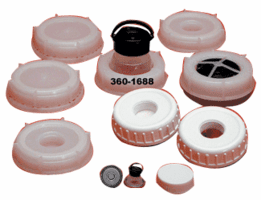
- Material Composition: Polypropylene, Phenolic Plastic, Tin-Plated Steel, and Aluminum.
- Size Range: 13mm to 120mm neck finishes; standard 400, 410, and 415 thread profiles.
- Lining Options: Pulp/Poly, Pressure Sensitive, Induction Foil, and Chemically Resistant PE.
- Specialized Functions: Child-Resistant (CRC), Tamper-Evident, and Dispensing configurations.

| Product Category | Primary Material | Common Liner Types | Standard Applications |
|---|---|---|---|
| White Polypropylene Screw Caps | Polypropylene (PP) | F217, Foam, Unlined | General Purpose, Personal Care |
| Industrial Plastic Screw Caps | Phenolic / Heavy-Duty PP | PTFE, Rubber, Foil | Chemical Storage, Lab Reagents |
| Metal Screw Caps | Tin-Plated Steel / Aluminum | Pulp/Poly, Plastisol | Solvents, Essential Oils, Food |
| Specialty & CRC Caps | Polypropylene | Multi-layer Barrier | Pharmaceutical, Household Chemical |
| Dispensing Caps | Polypropylene | Pressure Sensitive | Liquids, Gels, Granular Solids |
Functional Design of Industrial Closures Screw caps are categorized by their mechanical design and thread compatibility, typically following the Glass Packaging Institute (GPI) or Society of the Plastics Industry (SPI) standards. The most common thread finish is the "400" series, characterized by a single thread turn. Specialized configurations include Child-Resistant Closures (CRC), which require a push-and-turn motion to engage the inner drive, and Tamper-Evident designs that utilize a break-away band. Continuous thread (CT) metal caps provide a higher torque tolerance than plastic counterparts, making them suitable for high-speed automated capping lines where seal integrity is critical for volatile substances.
Polymer and Metallic Properties The selection of cap material is dictated by the chemical nature of the container contents. Polypropylene (PP) is the industrial standard for plastic closures due to its fatigue resistance and high melting point, allowing for repeatable use without stress cracking. Phenolic resins are employed for rigid, heat-resistant applications, often found in laboratory settings. Metal closures, typically manufactured from tin-plated steel or aluminum, offer superior gas barrier properties and UV protection. Aluminum is specifically utilized for its corrosion resistance in moisture-heavy environments, while steel provides the structural rigidity necessary for large-diameter industrial pails and drums.
Compliance and Safety Protocols Industrial closures must adhere to specific regulatory frameworks to ensure transport safety. For pharmaceutical applications, caps must meet USP <671> standards for moisture vapor transmission. In the transport of hazardous materials, screw caps are evaluated as part of a "combination packaging" system to meet UN Ratings. This requires the closure to maintain a seal under specific pressure differentials (typically 95 kPa for liquids). Tamper-evident and child-resistant features are further regulated by the Consumer Product Safety Commission (CPSC) and ISO 8317 to ensure they meet the mechanical thresholds required for restricted substances.
Cross-Sector Utility Screw caps are utilized across diverse sectors, each requiring specific technical attributes. In the chemical industry, vented caps are used for chemicals that outgas, such as hydrogen peroxide, to prevent container deformation. The food and beverage sector requires FDA-compliant, BPA-free materials and often utilizes induction foil liners to ensure product freshness and prevent oxidation. In the agricultural sector, heavy-duty ribbed closures facilitate grip in outdoor environments, while dispensing caps—such as turret or flip-top styles—are integrated into packaging for precise application of fertilizers or cleaning agents.
Technical Factors for Closure Integration Successful closure selection depends on neck finish compatibility, torque requirements, and liner chemistry. The "T" dimension (outer diameter of the thread) and "E" dimension (outer diameter of the finish) must precisely match the container specs to prevent cross-threading. Liner selection is equally critical; for example, a Pulp/Poly liner is suitable for dry products and non-acidic liquids, while a PTFE-faced liner is required for aggressive solvents. Buyers must also consider the storage environment, as fluctuating temperatures can affect the expansion and contraction rates of plastic caps, potentially loosening the seal if the incorrect torque is applied during initial sealing.

