


Drum-Wic Water Absorbent Drum Top Wicks
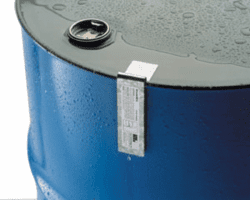
- Material Composition: Water-absorbent wick material for drum top moisture control.
- Drum Compatibility: 55-gallon tight-head and open-head drums.
- Case Quantities: 100-count and 200-count case options.
- Use Type: Drum top water removal and wick-away absorption.
- Product Status: Listed items currently marked out of stock.

$449.95
$499.95
(You Save 10%)$459.95
$499.95
(You Save 8%)$129.95
$149.95
(You Save 13%)Product Comparison Chart
| Product | Drum Type | Drum Size | Case Quantity | Primary Use | Stock Status |
|---|---|---|---|---|---|
| 55 Tight-Head Wick Away Removes Water Drum | Tight-head drum | 55 gallon | 100 case | Removes water from tight-head drum tops | Out of stock |
| 55 Open-Head Wick Away Removes Water Drum | Open-head drum | 55 gallon | 100 case | Removes water from open-head drum tops | Out of stock |
| 55 Gallon Tight or Open Top Drum Wick Away | Tight-head or open-head drum | 55 gallon | 200 case | Water absorbent drum top wick-away use | Out of stock |
Configuration Analysis
Drum-Wic products are configured for use on 55-gallon drum tops where water collects during storage, handling, washdown, or outdoor exposure. Tight-head drums have a fixed top with bung openings, which can create recessed areas where water accumulates around closures. Open-head drums have a removable lid and chime structure, where water can collect along the rim or lid surface. Separate 100-count case options are listed for tight-head and open-head drum applications, while the 200-count case option is described for either tight or open-top drum use. The correct selection depends on the drum closure style, storage location, and water accumulation pattern.
Material Engineering
Drum-Wic products use absorbent wick material intended to draw water away from drum tops. The purpose is not bulk spill absorption but localized water removal from the upper drum surface. Wick-style absorbents function by capillary action, pulling moisture into the absorbent body from low spots or pooled areas. This format is suited for drum yards, covered storage zones with condensation, and outdoor drum storage areas exposed to rain. Since the product is designed for water removal, buyers should verify compatibility when drums contain oils, solvents, acids, caustics, or hazardous materials. Water-absorbent products may not be suitable for every chemical storage environment.
Regulatory Standards
Drum-Wic absorbents support housekeeping and moisture-control practices but do not replace regulatory requirements for drum storage, hazardous material containment, or spill response. Facilities storing regulated materials should follow applicable OSHA workplace safety rules, EPA hazardous waste storage requirements, DOT shipping rules, and site-specific stormwater or secondary containment procedures. When used around drums containing hazardous materials, the used absorbent may need to be managed according to the material it contacts. If the wick contacts contaminated water, chemical residue, or regulated waste, disposal should follow the facility’s waste profile and safety data sheet requirements.
Industrial Applications
Drum-Wic water absorbent products are used in industrial storage areas where 55-gallon drums are exposed to rain, condensation, roof leaks, washdown spray, or temperature-related moisture buildup. Chemical plants may use them to help reduce standing water around drum bungs and lids. Manufacturing sites may place them on drums stored near loading docks, maintenance areas, or outdoor staging zones. Agricultural and grounds maintenance operations may use them around drums holding lubricants, fluids, or non-food liquid materials. Waste handling and environmental service operations may also use wick-away products to reduce water pooling before drum movement, inspection, or inventory handling.
Selection Criteria
Buyers should first match the product to the drum style: tight-head, open-head, or mixed drum storage. Case count is another factor. A 100-count case may fit smaller drum storage programs, while a 200-count case may suit larger facilities or recurring maintenance use. Storage environment should also be reviewed. Outdoor drums may require more frequent replacement than indoor drums exposed only to condensation. The contents of the drum matter as well. If water on the drum top may contain chemical residue, the absorbent should be handled as potentially contaminated. Facilities should also review replacement frequency, drum inspection schedules, disposal procedures, and whether secondary containment is required for the storage area.

