


Absorbent Pillows for Spills | Hazmat, Oil & Universal
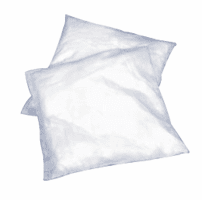
- Materials: Absorbent synthetic fill and outer fabric for liquid retention.
- Product Types: Hazmat UniSorb, OilSorb, and CleanSorb absorbent pillows.
- Use Range: Large spill absorption, leak control, sump collection, and equipment drip zones.
- Fluid Compatibility: Universal liquids, oil-only fluids, and chemical or hazmat spill applications.
- Packaging: Individual absorbent pillows with quantity-based purchasing options.

| Buy More, Save More! | ||
|---|---|---|
| Quantity | Price Each | |
| 1 - 11 pieces | $8.95 ea. | |
| 12+ pieces | $8.08 ea. | |
| Buy More, Save More! | ||
|---|---|---|
| Quantity | Price Each | |
| 1 - 11 pieces | $8.95 ea. | |
| 12+ pieces | $8.08 ea. | |
| Buy More, Save More! | ||
|---|---|---|
| Quantity | Price Each | |
| 1 - 11 pieces | $2.95 ea. | |
| 12+ pieces | $2.66 ea. | |
Product Comparison Chart
| Product | Absorbent Type | Primary Fluid Use | Common Application | Selection Notes |
|---|---|---|---|---|
| Hazmat UniSorb Absorbent Pillows | Hazmat / chemical absorbent pillow | Hazardous liquids, chemicals, and unknown spills | Chemical storage, spill kits, maintenance response, and containment areas | Use where fluid compatibility and hazardous spill response are key concerns. |
| OilSorb Absorbent Pillows | Oil-only absorbent pillow | Oil, fuel, hydraulic fluid, lubricants, and petroleum-based liquids | Vehicle service, equipment leaks, hydraulic systems, and outdoor oil spill control | Use when oil absorption is required and water pickup should be limited. |
| CleanSorb Absorbent Pillows | General-purpose absorbent pillow | Water-based fluids, coolants, non-aggressive liquids, and routine leaks | Maintenance shops, production areas, warehouses, and facility spill stations | Use for general workplace spill control where the liquid is known and non-hazardous. |
Absorbent Pillow Configuration
Absorbent pillows are thicker spill-control products designed for larger liquid volume capture than standard absorbent pads or wipes. The pillow format uses an outer fabric shell filled with absorbent media, allowing liquid to move into the interior and remain contained inside the product. This configuration is used where liquid has already pooled or where a leak is expected to continue over time. Unlike absorbent socks, which are shaped to surround or divert spills, pillows are placed directly into the spill area or beneath the leak source. Common placement points include under drum faucets, hydraulic fittings, pump connections, equipment housings, valves, and low points inside spill containment areas.
Fluid Compatibility and Product Types
The listed absorbent pillow group includes Hazmat UniSorb, OilSorb, and CleanSorb options. Hazmat UniSorb pillows are used for chemical and hazardous liquid spill response where standard maintenance absorbents may not be appropriate. OilSorb pillows are intended for oil-based liquids and petroleum fluids, including motor oil, hydraulic oil, lubricants, fuels, and other hydrocarbon spills. CleanSorb pillows are used for general maintenance spill control involving non-aggressive workplace liquids, water-based fluids, coolants, and routine leaks. Selection should be based on the type of liquid, the spill environment, and whether the liquid may be hazardous, oil-based, or general-purpose.
Material Construction and Absorption Function
Absorbent pillows typically use a permeable outer cover that allows liquid to pass into the absorbent core while helping keep the fill material contained. The internal absorbent media provides liquid retention and increases total absorption capacity compared with thinner flat absorbents. Oil-only pillows are commonly designed to absorb petroleum-based liquids while resisting water absorption, making them suitable for outdoor or water-present environments where oil separation is required. Hazmat-style pillows are selected when fluid compatibility is a concern, especially with unknown liquids, acids, bases, solvents, or chemical processing spills. General-purpose pillows are suited for standard maintenance areas where fluid type is known and non-aggressive.
Regulatory and Workplace Spill Control Use
Absorbent pillows are often part of facility spill response programs used to support OSHA housekeeping practices, EPA spill control planning, and internal safety procedures. They do not replace required secondary containment, chemical storage controls, or hazardous waste disposal requirements. Used absorbents must be handled according to the liquid absorbed. A pillow used with hazardous chemicals, oils, solvents, or regulated waste may need to be managed as contaminated waste under applicable federal, state, or local rules. For facilities handling oils, fuels, chemicals, or process liquids, absorbent pillows are commonly stocked in spill kits, maintenance carts, drum storage areas, and equipment rooms.
Industrial Applications
Absorbent pillows are used in manufacturing plants, warehouses, maintenance shops, chemical handling areas, vehicle service departments, laboratories, and industrial storage locations. In chemical facilities, hazmat pillows may be used for response to aggressive or unknown liquids. In automotive, equipment repair, and fleet maintenance areas, oil-only pillows are used beneath leaking engines, pumps, gearboxes, and hydraulic systems. General-purpose pillows are used around machinery, HVAC systems, compressors, coolant tanks, and production equipment where routine drips or larger floor spills occur. Their compact shape also allows placement inside drip pans, sump areas, and portable containment trays.
Selection Criteria
Buyers should select absorbent pillows based on liquid type, spill volume, response location, and disposal requirements. Hazmat pillows should be considered for chemical spill response or unknown liquids. Oil-only pillows should be used when petroleum fluids must be absorbed without drawing in water. General-purpose pillows are suited for common shop and maintenance liquids where chemical resistance is not the main concern. The leak pattern also matters. A slow, continuous drip may require a pillow placed directly under the source, while a pooled spill may require several pillows placed across the liquid surface. Facilities should also consider storage space, spill kit compatibility, and whether absorbents will be used indoors, outdoors, or inside secondary containment systems.

