


Versatile Absorbent Pads for Industrial Spill Control
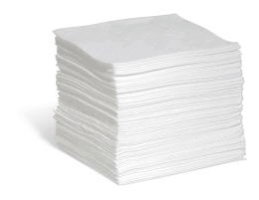
- Materials: Hazmat absorbent media, OilSorb oil-only absorbent media, and UniSorb universal absorbent media.
- Package Range: 10-pack absorbent pad options and larger UniSorb package format.
- Fluid Compatibility: Hazardous liquids, petroleum-based fluids, oils, coolants, water-based liquids, and general maintenance spills.
- Pad Type: Flat absorbent pads for wiping, covering, lining, and spill response placement.
- Applications: Warehouses, maintenance areas, chemical storage zones, vehicle service areas, and industrial workstations.

| Buy More, Save More! | ||
|---|---|---|
| Quantity | Price Each | |
| 1 - 11 pieces | $9.99 ea. | |
| 12+ pieces | $9.58 ea. | |
| Buy More, Save More! | ||
|---|---|---|
| Quantity | Price Each | |
| 1 - 11 pieces | $9.99 ea. | |
| 12+ pieces | $9.58 ea. | |
| Buy More, Save More! | ||
|---|---|---|
| Quantity | Price Each | |
| 1 - 11 pieces | $80.95 ea. | |
| 12+ pieces | $72.91 ea. | |
Product Comparison Chart
| Product | Absorbent Type | Package Format | Primary Spill Type | Common Use Area |
|---|---|---|---|---|
| Hazmat Versatile Absorbent Pads Tackle Kind Spill 10 Pack | Hazmat | 10 Pack | Aggressive chemicals, unknown liquids, and hazardous fluids | Chemical storage, labs, hazmat response stations, battery areas |
| OilSorb Versatile Absorbent Pads Tackle Kind Spill 10 Pack | Oil-only | 10 Pack | Oil, fuel, hydraulic fluid, lubricants, and petroleum-based liquids | Vehicle service areas, fuel handling zones, machine shops, outdoor equipment areas |
| UniSorb Versatile Absorbent Pads Tackle Kind Spill Package | Universal | Larger package format | General maintenance liquids, coolants, oils, and water-based fluids | Warehouses, maintenance rooms, production floors, spill kit refill stations |
Absorbent Pad Configuration
Absorbent pads are designed as flat, flexible sheets used for surface-level liquid control. Unlike absorbent socks, which are used to surround or block the movement of a spill, pads are used to cover, blot, wipe, or line an area where liquid is present. Their low-profile design makes them suitable for use under leaking equipment, near drums, on workbenches, inside spill response cabinets, and around machinery where small leaks may occur. The listed products include compact 10-pack options for localized response and a larger UniSorb package for maintenance departments or higher-use facilities.
Hazmat Pad Use and Chemical Compatibility
Hazmat absorbent pads are used where the spilled liquid may include aggressive chemicals, unknown fluids, or materials that require separation from standard maintenance absorbents. These pads are commonly placed in chemical storage rooms, laboratories, battery handling areas, and hazardous material response kits. When selecting hazmat pads, buyers should confirm the liquid type, pH range, and disposal requirements before use. After absorption, the pad may become regulated waste depending on the chemical absorbed, so disposal procedures should follow the facility’s hazardous waste plan and applicable handling rules.
OilSorb Pad Use for Petroleum-Based Liquids
OilSorb absorbent pads are intended for oil-based liquids such as motor oil, hydraulic fluid, lubricants, diesel, gasoline residue, and petroleum-based industrial fluids. Oil-only absorbents are commonly used in vehicle maintenance areas, fuel handling zones, machine shops, marinas, and outdoor equipment yards. These pads are selected when the goal is to absorb oil without taking in large amounts of water. This makes them useful in environments where oil contamination may occur near rainwater, washdown areas, or wet industrial surfaces.
UniSorb Pad Use for General Maintenance Spills
UniSorb absorbent pads are general-purpose pads used for mixed workplace liquids, including coolants, water-based fluids, non-aggressive chemicals, oils, and general maintenance spills. They are commonly used in manufacturing plants, warehouses, repair shops, and janitorial supply areas. Universal absorbent pads are often stocked as a standard spill response item because they can be used across multiple departments. They are suited for drip control, surface wiping, light spill cleanup, and placement beneath fittings, valves, pumps, and transfer points where leaks are possible.
Material Engineering and Absorption Behavior
Absorbent pads are typically made from layered synthetic absorbent media designed to pull liquid into the pad structure and hold it during handling. Pad performance depends on material density, surface bonding, liquid viscosity, and the chemical nature of the spill. Heavier fluids may absorb more slowly than water-like liquids, while aggressive chemicals require pads specifically designed for hazmat use. Pads used under equipment should be replaced before saturation to prevent tracking, dripping, or secondary contamination. Facilities should store separate pad types when oil-only, universal, and hazmat response needs are present.
Regulatory and Workplace Handling Considerations
Absorbent pads support OSHA-related housekeeping practices by helping control liquid hazards that can create slip risks, chemical exposure points, or contaminated work surfaces. The pads themselves are not the only regulatory concern; the absorbed liquid determines storage, labeling, and disposal requirements after use. Pads used on hazardous chemicals may need to be managed as hazardous waste. Pads used on oils or petroleum products may require disposal under used-oil or contaminated absorbent procedures. Facilities should match pad type to their spill response plan, SDS guidance, and internal waste handling process.
Industrial Applications
Versatile absorbent pads are used in chemical processing, equipment maintenance, fleet service, warehouse operations, agriculture, manufacturing, and facility maintenance. Hazmat pads are used where chemical compatibility is the main concern. OilSorb pads are used where petroleum fluids are present. UniSorb pads are used for general leaks and routine cleanup. Common placement areas include drum storage zones, parts washing stations, pump transfer areas, forklift maintenance locations, hydraulic equipment, tool rooms, and spill kit refill stations. Keeping multiple pad types on hand helps separate routine maintenance cleanup from chemical or oil-specific response.
Selection Criteria
Buyers should select absorbent pads by fluid type, spill size, package quantity, storage location, and waste handling requirements. Hazmat pads are used for chemicals or unknown liquids. OilSorb pads are used for petroleum-based spills, especially where water may also be present. UniSorb pads are used for general maintenance liquids. Smaller 10-pack formats are suited for workstation placement, service vehicles, and low-volume spill points. Larger packages are better suited for maintenance departments, production areas, and refill use in spill cabinets or response carts.

