


Hazardous Spill Absorbent Rolls | Hazmat Spill Control
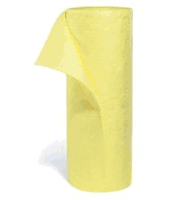
- Materials: Hazmat-compatible synthetic absorbent media and cellulose absorbent construction.
- Sizes: 30" x 150' hazardous spill absorbent roll; Maximizer cellulose absorbent roll.
- Use Type: Chemical spill response, hazardous liquid cleanup, and industrial leak control.
- Format: Continuous roll material for cutting, lining, wiping, and covering spill areas.
- Applications: Laboratories, chemical storage areas, maintenance shops, warehouses, and production floors.

| Buy More, Save More! | ||
|---|---|---|
| Quantity | Price Each | |
| 1 - 2 pieces | $138.30 ea. | |
| 3+ pieces | $127.80 ea. | |
Product Comparison Chart
| Product | Format | Size | Material Type | Primary Use |
|---|---|---|---|---|
| Hazardous Spill Absorbent Roll | Absorbent roll | 30" x 150' | Hazmat-compatible absorbent media | Chemical spill response and hazardous liquid absorption |
| Maximizer Cellulose Absorbent Roll | Absorbent roll | Not listed | Cellulose absorbent material | Industrial spill control, wiping, and surface coverage |
Configuration Analysis
Hazardous spill absorbent rolls are configured as continuous sheets that can be cut or torn to fit the spill area. This format supports several uses that fixed-size pads do not always cover. A roll can be placed under equipment, along production lines, across walkways, or around storage areas where leaks may spread across a larger surface. The 30" x 150' hazardous spill absorbent roll provides wide coverage for chemical handling zones and spill response stations. Roll absorbents are also used as temporary floor protection during maintenance, filling, dispensing, and transfer operations.
Material Engineering
Hazmat absorbent rolls are typically made from chemically compatible fibers designed to absorb aggressive liquids without breaking apart during handling. These materials are used for acids, bases, solvents, and other hazardous fluids when compatibility permits. Cellulose absorbent rolls use plant-based fiber structure to absorb liquids through capillary action. Cellulose material is often selected for industrial wiping, leak control, and general-purpose absorption where the liquid type is known and compatible with the media. Material selection should consider liquid chemistry, saturation weight, disposal rules, and whether the roll will be used on floors, benches, shelves, or equipment surfaces.
Regulatory Standards
Absorbent rolls are part of a facility spill response program, but the roll itself does not replace regulatory handling, storage, or disposal procedures. Facilities handling hazardous liquids must follow applicable OSHA workplace safety requirements and EPA hazardous waste rules when a used absorbent becomes contaminated. Once saturated with a hazardous substance, the absorbent may need to be managed as hazardous waste based on the liquid absorbed. Buyers should verify chemical compatibility, Safety Data Sheet guidance, waste classification, and internal spill response procedures before selecting a roll for acids, caustics, solvents, oils, or unknown liquids.
Industrial Applications
Hazardous spill absorbent rolls are used in chemical processing, laboratories, maintenance departments, manufacturing plants, transportation facilities, and warehouse storage areas. In chemical storage rooms, rolls can be staged near drums, pails, IBC totes, and transfer pumps. In laboratories, smaller cut sections can be placed under containers or near bench-top dispensing areas. In maintenance shops, rolls can be used around equipment where coolants, cleaners, degreasers, or process fluids may leak. Cellulose rolls are also used for wiping tools, lining shelves, collecting drips, and covering work surfaces during fluid handling tasks.
Selection Criteria
Selection should start with the liquid being absorbed. Hazmat rolls should be considered when the spill may involve aggressive chemicals or unknown liquids. Cellulose rolls should be evaluated for general industrial spill control where the chemical type is compatible with cellulose fiber. Roll width matters when covering walkways, aisles, or large floor areas. Length affects the number of work zones that can be covered from one roll. Buyers should also consider absorbency, tear resistance, floor traction, disposal method, storage space, and whether the absorbent will be used for emergency response, routine maintenance, or daily leak control.

