


Super Sorbent Loose Sorbents | Spill Control Absorbents
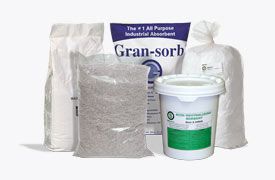
- Materials: Stardust super absorbent media and loose granular absorbent.
- Container Sizes: 3 lb case of six, 1.5 cu. ft. package, and single loose sorbent option.
- Use Type: Loose absorbent for liquid spill pickup, surface coverage, and residue control.
- Application Areas: Maintenance shops, warehouses, loading docks, production floors, and spill response stations.
- Packaging: Case-pack and individual package formats for storage and spill kit replenishment.


Product Comparison Chart
| Product | Package Size | Format | Primary Use | Inventory Fit |
|---|---|---|---|---|
| STARDUST SUPER ABSORBENT | 3 LB | Case Of Six | Spill Control Sorbents | 3 lb containers, case of six | Loose super absorbent | Distributed spill stations and small-area spill response | Multiple work areas, maintenance carts, and refill stock |
| STARDUST SUPER ABSORBENT 1.5 cu.ft. | Spill Control Absorbents | 1.5 cu. ft. | Loose super absorbent | Larger floor spills and central spill response storage | Warehouse, production, and maintenance storage areas |
| Super Sorbent Loose Sorbent | Single loose sorbent option | Loose absorbent | General spill pickup and small inventory replenishment | Small spill kits, repair areas, and backup absorbent stock |
Loose Sorbent Configuration Analysis
Loose sorbents are supplied as free-flowing absorbent media rather than pads, rolls, socks, or booms. This format allows the user to spread material over irregular spill shapes, cracks, textured floors, and areas around equipment bases. The Stardust Super Absorbent 3 lb case of six provides multiple smaller containers for distributed spill stations or maintenance carts. The 1.5 cu. ft. Stardust package supports larger spill response needs where more absorbent volume is required. The single Super Sorbent Loose Sorbent option is suited for smaller spill-control inventories or replacement stock. Unlike absorbent pads, loose sorbents conform directly to the spill surface and can be worked into liquid residue before cleanup.
Material Behavior and Absorption Method
Loose absorbents function by increasing surface contact between the absorbent particles and the spilled liquid. The media is poured over the spill until the liquid is covered, then allowed to absorb before being collected. Particle size, bulk density, and absorbent composition influence how fast the material absorbs liquid and how much residue remains after sweeping. Super absorbent media is commonly selected where faster pickup and reduced cleanup volume are needed compared with heavier mineral-style absorbents. Loose sorbents are also useful on uneven concrete, around machinery, and in areas where flat absorbent pads may not maintain full contact with the spilled material.
Regulatory and Disposal Considerations
The disposal requirements for used loose sorbents depend on the liquid absorbed. If the sorbent is used with oil, coolant, solvents, chemicals, or other regulated liquids, the used material may need to be handled according to applicable waste rules. Facilities should identify the spilled substance before disposal and follow internal spill response procedures, Safety Data Sheet guidance, and local environmental requirements. Loose absorbents used for non-hazardous liquids may have different disposal rules than absorbents used for flammable, corrosive, or toxic materials. For regulated spills, users should confirm whether the used sorbent must be labeled, stored, or transported as hazardous waste.
Industrial Applications
Super sorbent loose sorbents are used in manufacturing plants, repair shops, fleet maintenance areas, machine shops, warehouses, laboratories, loading docks, and spill kit refill programs. Common applications include absorbing leaked oils, coolants, water-based fluids, process liquids, and general maintenance spills. Loose sorbents are also used near drums, pumps, transfer areas, and storage zones where leaks may spread across floor surfaces. Smaller containers support point-of-use placement near equipment, while larger packages support central spill control inventory. The loose format is useful when spills do not occur in a straight line or when the liquid has spread into shallow, uneven areas.
Selection Criteria for Loose Sorbents
Buyers should select loose sorbents based on spill volume, liquid type, storage location, cleanup method, and disposal requirements. Smaller 3 lb containers are useful where multiple work areas need local access to absorbent material. Larger 1.5 cu. ft. packaging is better suited for maintenance rooms, warehouse spill stations, and higher-volume spill response. Chemical compatibility should be reviewed before use with aggressive liquids, acids, caustics, or solvents. Facilities should also consider cleanup tools, dust control, storage space, and whether absorbent residue can be fully removed from the floor after use.

