


Acid Neutralizing Sorbent | Spill Control Absorbent
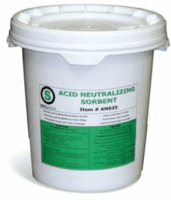
- Material Composition: Acid-neutralizing granular sorbent for liquid chemical spill response.
- Size/Capacity Range: Packaged loose sorbent for spot treatment, lab areas, maintenance areas, and storage zones.
- Compliance/Ratings: Supports workplace chemical spill control procedures under OSHA hazard communication and spill response practices.
- Closure Types: Loose-fill sorbent package for manual application over acid spills.
- Application Type: Designed for acid neutralization, absorption, and cleanup preparation.

Product Comparison Chart
| Product | Type | Primary Use | Material Form | Application Area |
|---|---|---|---|---|
| Acid Neutralizing Sorbent | Chemical spill sorbent | Neutralizing and absorbing acid spills | Loose granular sorbent | Labs, storage areas, maintenance zones, battery areas |
Configuration Analysis
Acid neutralizing sorbent is supplied as a loose-fill spill control material rather than a pad, roll, boom, or sock. This configuration allows the sorbent to be poured directly over irregular spill patterns, around equipment bases, or into small containment areas. Loose sorbent is commonly used where acid spills may spread unevenly across floors, benches, storage shelves, or battery handling surfaces. Unlike absorbent pads, which primarily capture liquid, acid neutralizing sorbent is intended to react with acidic liquid while also helping convert the spill into a more manageable cleanup mass. Manual application allows the user to control coverage based on spill size, acid concentration, and surface conditions.
Material Engineering
Acid neutralizing sorbents are formulated to address acidic liquid spills by combining absorption with chemical neutralization. The granular form increases surface contact with the spilled liquid, allowing the material to cover the affected area and reduce free liquid movement. This type of sorbent is typically selected for acids rather than oils, coolants, solvents, or general water-based spills. The material should be stored in a dry location to prevent clumping or premature reaction with moisture. Buyers should verify compatibility with the specific acids used in the facility, since chemical concentration and spill volume affect neutralization performance.
Regulatory Standards
Chemical spill response materials are part of broader workplace safety procedures required for facilities that store or handle hazardous substances. OSHA hazard communication rules require employers to identify chemical hazards and provide workers with access to safety information, including SDS documentation. Acid neutralizing sorbents may support spill response plans, but final disposal depends on the chemical involved, the amount spilled, and the resulting waste classification. Facilities handling regulated hazardous waste should follow EPA, DOT, state, and local disposal requirements. Used sorbent should not be treated as ordinary trash unless the waste has been evaluated under the facility’s chemical management procedure.
Industrial Applications
Acid neutralizing sorbent is used in laboratories, manufacturing plants, battery service areas, plating operations, maintenance departments, warehouses, and chemical storage rooms. In labs, it can be kept near benches or cabinets where acids are transferred or dispensed. In battery areas, it may be used for acid leaks associated with lead-acid battery handling. In industrial maintenance spaces, it supports response to acidic cleaners, descalers, and process chemicals. Warehouses that store acid containers can use this product as part of a staged spill response supply. The loose format is also useful for localized spills around drums, pails, shelves, and floor-level storage.
Selection Criteria
Buyers should select acid neutralizing sorbent based on the type of acid handled, expected spill volume, storage location, and worker response procedure. Facilities should compare the product’s intended use against the SDS for each chemical stored on site. Important factors include acid strength, surface area coverage, container accessibility, cleanup tools, PPE requirements, and disposal method. Loose sorbents should be placed where workers can reach them without crossing the spill area. For larger chemical storage zones, acid neutralizing sorbent may be combined with spill kits, containment trays, safety cabinets, and labeled cleanup stations.

