


Hazmat Absorbent Pads | 15 x 19 Single-Weight Pads
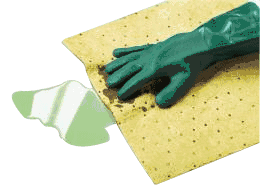
- Material Composition: Chemical-resistant polypropylene absorbent pad material.
- Size/Capacity Range: 15" x 19" single-weight pads; 200 pads per pack.
- Fluid Compatibility: Designed for acids, bases, solvents, oils, coolants, and unknown hazardous liquids.
- Pad Type: Flat single-weight absorbent pads for surface spills, bench work, and spill response stations.
- Use Category: Hazmat spill control for industrial, laboratory, maintenance, and emergency response areas.

| Buy More, Save More! | ||
|---|---|---|
| Quantity | Price Each | |
| 1 - 11 pieces | $93.95 ea. | |
| 12+ pieces | $84.58 ea. | |
Product Comparison Chart
Hazmat Pad Configuration Analysis
Hazmat absorbent pads are flat absorbent sheets designed for quick placement over liquid spills, under leaking equipment, or around chemical handling areas. The 15" x 19" size provides a manageable pad format for workers handling localized spills, container drips, transfer leaks, and bench-level cleanup tasks. Single-weight pads are thinner than heavyweight pads, making them suitable for wiping surfaces, layering in spill-prone areas, and covering irregular spill patterns. The 200-count pack format supports stocking spill carts, response cabinets, laboratory stations, and production areas where frequent pad replacement is required.
Material Engineering
These pads are typically manufactured from polypropylene fibers selected for chemical resistance and broad liquid compatibility. Polypropylene does not absorb water in the same way as natural fiber materials, but the fiber structure traps liquids within the pad matrix. Hazmat-grade pads are commonly treated or engineered to absorb both water-based and oil-based liquids, making them different from oil-only pads that repel water. The single-weight structure reduces bulk while still providing surface absorption for routine spill response. The yellow hazmat color used on many chemical absorbents helps distinguish them from universal and oil-only sorbents during emergency cleanup.
Regulatory Standards and Workplace Compliance
Hazmat absorbent pads are part of a broader spill control system used to support OSHA workplace safety practices, EPA spill prevention planning, and facility-level hazardous material procedures. The pads themselves are not a substitute for chemical storage compliance, secondary containment, or disposal documentation. Once used, the pads take on the regulatory status of the absorbed liquid. Pads used with acids, caustics, solvents, or hazardous waste streams must be handled, labeled, stored, and disposed of according to applicable federal, state, and local rules. Facilities should match absorbent selection with their SDS documentation and spill response plan.
Industrial Applications
Chemical processing facilities use hazmat pads for leaks from drums, small containers, transfer pumps, valves, and hose connections. Laboratories use them for bench protection, reagent handling, and small-volume chemical spills. Manufacturing and maintenance departments use them around machinery, battery charging areas, cleaning chemical storage, and hazardous liquid workstations. Warehouses and loading docks use hazmat pads as part of spill response kits for damaged containers or shipping leaks. Automotive, aerospace, plating, and electronics facilities may use hazmat absorbent pads where solvents, coolants, acids, or alkaline cleaners are present.
Selection Criteria
Buyers should select hazmat pads based on chemical compatibility, pad weight, spill volume, storage location, and disposal requirements. Single-weight pads are suited for smaller spills, wiping, and frequent-use areas. Larger spills may require socks, pillows, booms, or granular absorbents in addition to pads. Chemical compatibility should be checked against the liquid being handled, especially for strong acids, oxidizers, caustics, and solvent blends. Storage areas should keep pads dry, accessible, and separated from absorbents intended only for oil or general-purpose use. Facilities handling multiple liquid types should clearly label absorbent stations to prevent workers from selecting the wrong sorbent during a spill event.
| Product | Pad Size | Pad Weight | Pack Count | Absorbent Type | Typical Use |
|---|---|---|---|---|---|
| Premium Hazmat Single-Weight Pad Absorbent | 15" x 19" | Single-Weight | 200 Pack | Hazmat chemical absorbent | Acids, bases, solvents, oils, coolants, and unknown hazardous liquids |
Hazmat Pad Configuration Analysis
Hazmat absorbent pads are flat absorbent sheets designed for quick placement over liquid spills, under leaking equipment, or around chemical handling areas. The 15" x 19" size provides a manageable pad format for workers handling localized spills, container drips, transfer leaks, and bench-level cleanup tasks. Single-weight pads are thinner than heavyweight pads, making them suitable for wiping surfaces, layering in spill-prone areas, and covering irregular spill patterns. The 200-count pack format supports stocking spill carts, response cabinets, laboratory stations, and production areas where frequent pad replacement is required.
Material Engineering
These pads are typically manufactured from polypropylene fibers selected for chemical resistance and broad liquid compatibility. Polypropylene does not absorb water in the same way as natural fiber materials, but the fiber structure traps liquids within the pad matrix. Hazmat-grade pads are commonly treated or engineered to absorb both water-based and oil-based liquids, making them different from oil-only pads that repel water. The single-weight structure reduces bulk while still providing surface absorption for routine spill response. The yellow hazmat color used on many chemical absorbents helps distinguish them from universal and oil-only sorbents during emergency cleanup.
Regulatory Standards and Workplace Compliance
Hazmat absorbent pads are part of a broader spill control system used to support OSHA workplace safety practices, EPA spill prevention planning, and facility-level hazardous material procedures. The pads themselves are not a substitute for chemical storage compliance, secondary containment, or disposal documentation. Once used, the pads take on the regulatory status of the absorbed liquid. Pads used with acids, caustics, solvents, or hazardous waste streams must be handled, labeled, stored, and disposed of according to applicable federal, state, and local rules. Facilities should match absorbent selection with their SDS documentation and spill response plan.
Industrial Applications
Chemical processing facilities use hazmat pads for leaks from drums, small containers, transfer pumps, valves, and hose connections. Laboratories use them for bench protection, reagent handling, and small-volume chemical spills. Manufacturing and maintenance departments use them around machinery, battery charging areas, cleaning chemical storage, and hazardous liquid workstations. Warehouses and loading docks use hazmat pads as part of spill response kits for damaged containers or shipping leaks. Automotive, aerospace, plating, and electronics facilities may use hazmat absorbent pads where solvents, coolants, acids, or alkaline cleaners are present.
Selection Criteria
Buyers should select hazmat pads based on chemical compatibility, pad weight, spill volume, storage location, and disposal requirements. Single-weight pads are suited for smaller spills, wiping, and frequent-use areas. Larger spills may require socks, pillows, booms, or granular absorbents in addition to pads. Chemical compatibility should be checked against the liquid being handled, especially for strong acids, oxidizers, caustics, and solvent blends. Storage areas should keep pads dry, accessible, and separated from absorbents intended only for oil or general-purpose use. Facilities handling multiple liquid types should clearly label absorbent stations to prevent workers from selecting the wrong sorbent during a spill event.

