


First Response Spill Kits | Emergency Spill Containment
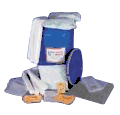
- Absorbent Types: Universal, Oil-Only, Hazmat, Battery Acid Neutralizing Sorbents
- Capacity Range: 5 Gallon to 95 Gallon Spill Response Kits
- Compliance: EPA, OSHA, SPCC, and DOT Spill Response Support
- Container Styles: Pails, Overpack Drums, Wheeled Containers, Portable Emergency Kits
- Applications: Chemical Spills, Fuel Leaks, Battery Acid Neutralization, Industrial Maintenance

| Product | Capacity | Absorbent Type | Container Style | Primary Application |
|---|---|---|---|---|
| Battery Acid First Response Spill Kits | Various Sizes | Acid Neutralizing | Portable Containers | Battery and Electrolyte Spill Cleanup |
| 5 Gallon Spill Response Kits | 5 Gallon | Universal / Oil-Only | Pail | Small Equipment Leaks |
| 20 Gallon Spill Response Kits | 20 Gallon | Universal / Hazmat | Pail or Drum | Maintenance Areas |
| 30 Gallon Spill Response Kits | 30 Gallon | Universal / Hazmat | Overpack Drum | Industrial Spill Response |
| 55 Gallon Spill Response Kits | 55 Gallon | Universal / Oil-Only | Drum | Bulk Liquid Spill Containment |
| 65 Gallon Spill Response Kits | 65 Gallon | Universal / Hazmat | Drum | Warehouse Spill Control |
| 85 Gallon Spill Response Kits | 85 Gallon | Universal / Oil-Only | Large Overpack | High-Volume Spill Cleanup |
| 95 Gallon Spill Response Kits | 95 Gallon | Universal / Hazmat | Overpack Drum | Facility Emergency Response |
| 95 Gallon Spill Response Kits with Wheels | 95 Gallon | Universal / Hazmat | Wheeled Container | Mobile Spill Response |
| Emergency Response Guidebook (ERG) | N/A | Reference Guide | Manual | Hazardous Material Identification |
Spill Kit Configuration Analysis
Industrial spill kits are configured according to spill volume, chemical compatibility, and response mobility requirements. Smaller 5 gallon and 20 gallon spill kits are commonly positioned near machinery, forklifts, battery charging stations, and maintenance benches where localized leaks may occur. Larger 55 gallon through 95 gallon spill kits are designed for warehouse aisles, loading docks, chemical storage areas, fuel transfer stations, and manufacturing environments where larger spill events are possible.
Wheeled spill kits improve transport speed across large facilities and outdoor work zones. Overpack drum configurations provide weather resistance and help protect absorbent materials from contamination or moisture exposure during long-term storage.
Absorbent Material Engineering
Spill response kits utilize different sorbent materials depending on the liquid classification. Universal absorbents are designed to handle water-based fluids, oils, coolants, solvents, and general industrial liquids. Oil-only absorbents are hydrophobic materials engineered to repel water while absorbing hydrocarbons such as diesel, gasoline, lubricants, and hydraulic oil.
Battery acid spill kits contain acid-neutralizing compounds specifically formulated for sulfuric acid spills generated from lead-acid battery systems. Neutralizing agents convert corrosive liquids into safer compounds prior to cleanup and disposal. Sorbent pads, socks, pillows, and loose absorbents are selected based on spill spread characteristics and surface conditions.
Regulatory Standards and Spill Compliance
Spill kits support facility compliance programs related to OSHA workplace safety standards, EPA spill prevention requirements, and SPCC regulations for oil storage operations. Facilities storing hazardous liquids often position spill kits near transfer points and storage containers to support immediate containment actions during accidental releases.
The Emergency Response Guidebook (ERG) is commonly used alongside spill response kits to identify hazardous material classifications, isolation distances, and emergency handling procedures during transportation or industrial incidents. Proper spill response documentation and employee training are typically integrated into site-specific environmental and safety programs.
Industrial Spill Response Applications
First response spill kits are used across chemical processing, transportation, manufacturing, utilities, agriculture, automotive maintenance, telecommunications, and energy production sectors. Battery acid kits are commonly deployed in forklift charging stations, UPS battery rooms, and telecommunications backup power systems. Oil-only spill kits are frequently used near fueling stations, hydraulic systems, marine operations, and fleet maintenance facilities where petroleum-based fluids are present. Universal spill kits are utilized in mixed-fluid environments such as warehouses, machine shops, and industrial production lines.
Selection Criteria for Spill Response Kits
Spill kit selection depends on the volume and type of liquid stored onsite, proximity to drains or waterways, facility layout, and transportation requirements. Facilities handling corrosive chemicals require absorbents compatible with acids or caustic materials. Outdoor spill response locations may require UV-resistant and weather-protected containers.
Container mobility, absorbent replacement availability, disposal procedures, and regulatory reporting requirements should also be evaluated during spill response planning. Facilities operating forklifts, chemical tanks, fuel systems, or bulk liquid storage equipment typically deploy multiple spill kit sizes throughout the site to reduce response time during emergency events.

