


Immersion Specialty Heaters | Precision Thermal Solutions
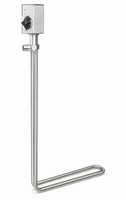
- Materials: Carbon Steel Sheath, 304 Stainless Steel, Incoloy
- Capacity Range: 5-Gallon Pails to 55-Gallon Drums
- Temperature Range: 60°F to 250°F with thermostatic control
- Compliance: Industrial electrical standards, NEMA housings
- Closure Types: Bung-Hole (2” NPT), Over-the-Side, Screw-Plug

$798.96
$822.33
(You Save 3%)$1,039.96
$1,220.00
(You Save 15%)$899.96
$976.00
(You Save 8%)$799.96
$894.00
(You Save 11%)$439.95
$439.95
(You Save 0%)$2,089.95
$489.95
Product Comparison Chart
Immersion heaters are categorized based on installation method and container access. Bung-hole heaters are designed for standard 2-inch drum openings, allowing sealed heating of 55-gallon drums without removing the lid. Over-the-side heaters suspend into open tanks or containers and are suited for batch processes requiring frequent access. Screw-plug heaters thread directly into tank walls, providing fixed installation for pressurized or closed systems. L-shaped and bottom-entry heaters distribute heat evenly across the base of the container, improving thermal consistency in viscous liquids. Configuration selection depends on container geometry, access requirements, and process control needs.
Sheath material determines corrosion resistance and operational lifespan. Carbon steel sheaths are used for non-corrosive oils and lubricants. 304 stainless steel provides resistance to mild acids, water-based solutions, and food-grade applications. Incoloy and titanium options are used in aggressive chemical environments, including acids and salt-based solutions. Watt density and sheath thickness influence heat transfer rates and durability. Lower watt density reduces scale buildup and extends element life in mineral-heavy liquids. Surface coatings and passivation treatments further improve resistance to oxidation and chemical attack.
Immersion heaters used in industrial environments must align with electrical and safety standards. NEMA-rated enclosures protect internal controls from dust and moisture exposure. Temperature control systems often include adjustable thermostats and over-temperature cutoffs to prevent overheating. For hazardous material environments, heater selection must align with applicable DOT handling and OSHA workplace safety requirements. Grounded elements and proper wiring methods are required to meet electrical code compliance. Units installed in classified environments may require additional explosion-proof ratings depending on vapor conditions.
These heaters are used across multiple sectors requiring controlled liquid heating. In chemical processing, they maintain reaction temperatures and reduce fluid viscosity for transfer. In manufacturing, they are used to heat oils, resins, and coatings prior to application. Food processing applications use stainless steel variants for water and ingredient heating. Agricultural operations use immersion heaters for fertilizer solutions and fluid storage. Maintenance operations apply them for thawing frozen liquids and maintaining flow in cold environments. Direct-contact heating allows faster response times compared to external heating methods.
Key factors include chemical compatibility, required temperature range, and container size. Voltage and wattage must match facility power supply and heating requirements. Bung size and mounting configuration determine compatibility with existing containers. Environmental conditions such as humidity, chemical exposure, and outdoor use influence enclosure ratings. Liquid properties such as viscosity, corrosiveness, and sediment content impact material selection and maintenance frequency. Proper submersion depth and mounting position are critical to prevent element failure and ensure consistent heating performance.
| Product | Material | Container Size | Voltage | Wattage | Configuration |
|---|---|---|---|---|---|
| Steel Sheath Immersion Steel Drum Heater | Carbon Steel | 55 Gallon Drum | 120V | 1000W | Bung-Hole Immersion |
| Stainless Steel Sheath Bung Immersion Heater | 304 Stainless Steel | 55 Gallon Drum | 120V | 1000W | Bung-Hole Immersion |
| Steel Sheath Immersion Steel Drum Heater | Carbon Steel | 55 Gallon Drum | 240V | 4000W | Bung-Hole Immersion |
| Stainless Steel Sheath Immersion Heater | 304 Stainless Steel | 55 Gallon Drum | 240V | 4000W | Bung-Hole Immersion |
| 5 Gallon Pail Immersion Heater | Steel Sheath | 5 Gallon Pail | 115V | 1500W | Direct Immersion |
| Drop-In Type Steel Pail Heater | Steel | 5 Gallon Pail | 115V | Industrial Rating | Drop-In |
| Thermosafe Induction Steel Drum Heater | Steel Drum Compatible | 55 Gallon Drum | Industrial Configuration | Application Specific | Induction Heating |
| EXPO Heater Dolly | Steel Drum Platform | 55 Gallon Drum | 120V / 240V | 1750W / 1920W | Bottom Contact Heating |
Immersion heaters are categorized based on installation method and container access. Bung-hole heaters are designed for standard 2-inch drum openings, allowing sealed heating of 55-gallon drums without removing the lid. Over-the-side heaters suspend into open tanks or containers and are suited for batch processes requiring frequent access. Screw-plug heaters thread directly into tank walls, providing fixed installation for pressurized or closed systems. L-shaped and bottom-entry heaters distribute heat evenly across the base of the container, improving thermal consistency in viscous liquids. Configuration selection depends on container geometry, access requirements, and process control needs.
Sheath material determines corrosion resistance and operational lifespan. Carbon steel sheaths are used for non-corrosive oils and lubricants. 304 stainless steel provides resistance to mild acids, water-based solutions, and food-grade applications. Incoloy and titanium options are used in aggressive chemical environments, including acids and salt-based solutions. Watt density and sheath thickness influence heat transfer rates and durability. Lower watt density reduces scale buildup and extends element life in mineral-heavy liquids. Surface coatings and passivation treatments further improve resistance to oxidation and chemical attack.
Immersion heaters used in industrial environments must align with electrical and safety standards. NEMA-rated enclosures protect internal controls from dust and moisture exposure. Temperature control systems often include adjustable thermostats and over-temperature cutoffs to prevent overheating. For hazardous material environments, heater selection must align with applicable DOT handling and OSHA workplace safety requirements. Grounded elements and proper wiring methods are required to meet electrical code compliance. Units installed in classified environments may require additional explosion-proof ratings depending on vapor conditions.
These heaters are used across multiple sectors requiring controlled liquid heating. In chemical processing, they maintain reaction temperatures and reduce fluid viscosity for transfer. In manufacturing, they are used to heat oils, resins, and coatings prior to application. Food processing applications use stainless steel variants for water and ingredient heating. Agricultural operations use immersion heaters for fertilizer solutions and fluid storage. Maintenance operations apply them for thawing frozen liquids and maintaining flow in cold environments. Direct-contact heating allows faster response times compared to external heating methods.
Key factors include chemical compatibility, required temperature range, and container size. Voltage and wattage must match facility power supply and heating requirements. Bung size and mounting configuration determine compatibility with existing containers. Environmental conditions such as humidity, chemical exposure, and outdoor use influence enclosure ratings. Liquid properties such as viscosity, corrosiveness, and sediment content impact material selection and maintenance frequency. Proper submersion depth and mounting position are critical to prevent element failure and ensure consistent heating performance.

