


Spill Response Tools & Cleanup Equipment | Industrial Use
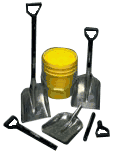
- Materials: Polypropylene, Polyethylene, Aluminum, Industrial Vacuum Components
- Applications: Spill Recovery, Liquid Transfer, Railcar Containment, Industrial Cleanup
- Compliance: Chemical-Resistant and Non-Sparking Tool Options Available
- Configurations: Hand Tools, Vacuum Recovery Systems, Rail Spill Containment Equipment
- Industries: Chemical Processing, Rail Transport, Manufacturing, Environmental Response

| Product | Material | Primary Function | Industry Applications | Special Features |
|---|---|---|---|---|
| REMCO Polypropylene Safety Shovels | Polypropylene | Spill Cleanup and Material Handling | Chemical, Food Processing, Industrial Plants | Non-Sparking, Chemical Resistant |
| REMCO Spill Response Polyethylene Squeegees | Polyethylene | Liquid Containment and Direction | Manufacturing, Warehousing, Environmental Response | Chemical Resistant Blades |
| Aluminum Spill Response Shovels | Aluminum | Debris and Spill Material Removal | Refineries, Hazardous Material Response | Lightweight, Corrosion Resistant |
| Ultra-TrackPans for Railcar Spill Containment | Industrial Polyethylene | Railcar Leak and Spill Containment | Rail Transport, Chemical Distribution | Fits Around Rail Tracks |
| Exair Chip Vac System | Industrial Metal and Polymer Components | Dry Cleanup and Chip Recovery | Machine Shops, Manufacturing | Compressed Air Operated |
| Spill Recovery Two-Way Liquid Vacuum/Pump System | Industrial Vacuum Components | Liquid Recovery and Transfer | Chemical Plants, Waste Recovery | Vacuum and Pump Combination |
Spill Response Tool Configurations
Industrial spill response equipment includes manual cleanup tools, containment systems, and powered liquid recovery units designed for different spill conditions. Polypropylene safety shovels are commonly used for handling absorbents, contaminated solids, or hazardous debris due to their non-sparking properties and chemical resistance. Polyethylene spill squeegees are designed to direct liquids toward drains, containment berms, or recovery points while minimizing splash dispersion. Aluminum spill response shovels provide a lightweight alternative for handling debris and absorbent materials in industrial and transportation environments.
Vacuum and pump systems are used for larger spill events requiring fluid extraction and transfer. Two-way liquid vacuum systems can remove liquids from containment areas and discharge them into storage drums or recovery tanks. Railcar spill containment pans are specialized systems engineered to capture leaks beneath tank railcars during loading, unloading, or emergency response operations.
Material Engineering and Chemical Compatibility
Material selection is a critical factor in spill response operations due to varying chemical exposure requirements. Polypropylene tools are resistant to acids, alkalis, solvents, and many industrial chemicals, making them suitable for chemical plants, food-grade operations, and hazardous material response. Polyethylene squeegees provide flexibility and resistance to corrosion while maintaining structural integrity during repeated liquid exposure.
Aluminum spill response shovels are selected for corrosion resistance and reduced weight. In certain hazardous environments, aluminum tools may also reduce spark generation risks compared to ferrous steel equipment. Industrial vacuum systems incorporate chemical-resistant hoses, seals, tanks, and pumps designed to handle oils, coolants, wastewater, and industrial liquids. Rail containment pans typically utilize heavy-wall polyethylene construction capable of withstanding outdoor exposure, chemical contact, and mechanical loading associated with rail transport operations.
Regulatory and Safety Considerations
Spill response equipment is commonly used to support OSHA, EPA, and DOT spill containment and workplace safety requirements. Facilities handling hazardous materials are often required to maintain spill response equipment near storage and transfer areas. Non-sparking tools are frequently specified in combustible or flammable liquid environments to reduce ignition risks during cleanup procedures.
Railcar spill containment systems assist facilities in complying with environmental regulations governing transfer operations and stormwater contamination prevention. Liquid recovery systems are also utilized during hazardous waste management procedures to transfer recovered fluids into approved storage containers. Selection of spill response tools should account for chemical compatibility, grounding requirements, environmental exposure, and facility emergency response protocols.
Industrial Applications for Spill Recovery Equipment
Spill response tools are utilized across manufacturing, transportation, energy, chemical processing, and environmental remediation industries. Chemical plants use polypropylene shovels and squeegees for handling absorbents and directing hazardous liquids into containment systems. Rail terminals use track pans to capture leaks from tanker railcars during transfer operations. Machine shops and manufacturing facilities use chip vac systems to recover metal shavings, oils, and coolant mixtures from equipment and floors. Vacuum recovery systems are frequently deployed in wastewater treatment facilities, refineries, and industrial maintenance operations where liquid transfer and spill cleanup are required. Warehouses and distribution centers commonly maintain spill cleanup tools near chemical storage areas, battery charging stations, and drum handling locations to support rapid response procedures.
Selection Criteria for Spill Response Equipment
Selecting spill response tools requires evaluation of spill type, chemical exposure, cleanup volume, and operating environment. Manual cleanup tools should be selected based on chemical resistance, spark reduction requirements, and ergonomic handling characteristics. Facilities handling corrosive materials often require polypropylene or polyethylene equipment instead of metal alternatives.
Vacuum recovery systems should be matched to liquid viscosity, transfer distance, discharge requirements, and containment capacity. Rail containment systems must be sized according to railcar dimensions and anticipated spill volume. Additional considerations include ease of decontamination, storage requirements, environmental exposure, replacement part availability, and compliance with facility spill response procedures.

