


Exair Chip Vac Systems | Industrial Chip Recovery
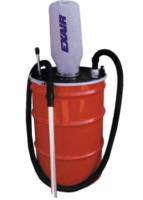
- Materials: Compressed-air powered vacuum head with industrial hose and chip collection components.
- Capacity Range: Designed for use with standard 30- or 55-gallon drums, depending on setup.
- System Types: Base Chip Vac system without dolly or drum; deluxe system with dolly.
- Media Handled: Metal chips, shavings, turnings, and dry machining debris.
- Power Source: Compressed air operation with no electric motor.

$899.98
$1,099.98
(You Save 18%)$1,298.98
$1,425.99
(You Save 9%)Product Comparison Chart
Chip Vac Configuration Analysis
Exair Chip Vac systems are configured to convert a standard drum into a dry chip collection vacuum. The base system is supplied without a dolly or drum, making it suitable for facilities that already use compatible drums or have fixed collection points near machining equipment. This setup is commonly used where the vacuum remains near one CNC machine, lathe, mill, saw, or work cell. The deluxe Chip Vac system includes a dolly, allowing the operator to move the unit between machines and workstations. The mobile configuration is used in shops where chips accumulate across several areas and where a single recovery system must service multiple production points.
Material Recovery and Operating Design
The Chip Vac is designed for dry debris recovery, including metal chips, shavings, turnings, and other loose machining waste. It is not intended for general liquid recovery or combustible dust collection unless the specific material and operating conditions are reviewed for compatibility. The compressed-air design eliminates the need for an electric vacuum motor at the collection point. This reduces exposure to motor wear from sharp chips and abrasive debris. In operation, the vacuum head creates suction through compressed air flow and directs collected material into the drum. The drum functions as the main containment vessel, while the vacuum assembly, hose, and accessories provide pickup and transfer capability.
Compressed Air Requirements and Shop Integration
Because the Chip Vac operates from compressed air, buyers should review available air pressure, air volume, connection size, and plant air capacity before installation. Air-powered vacuum systems are commonly used in manufacturing plants, machine shops, metalworking areas, and industrial maintenance departments where compressed air is already available. The absence of an electric motor can simplify use in areas where cords create trip hazards or where electrical equipment near metal chips is not preferred. However, compressed air consumption should be considered as part of operating cost, especially if the unit will run for long cleanup cycles or frequent shift-based maintenance.
Industrial Applications
Chip Vac systems are used in machine shops, CNC machining centers, fabrication plants, tool rooms, maintenance departments, and production environments that generate dry chips. Common debris includes aluminum chips, steel shavings, brass turnings, plastic machining waste, and similar dry material produced by cutting, drilling, milling, turning, and sawing. The system supports housekeeping around machinery, helps remove chip buildup from floors and machine bases, and assists in separating recovered scrap into a drum for disposal or recycling. The deluxe system with dolly is suited for facilities with multiple machines, while the base system is better matched to fixed recovery stations or shops with existing drum-handling equipment.
Regulatory and Safety Considerations
Industrial chip recovery equipment should be selected with attention to material type, housekeeping requirements, and workplace safety procedures. OSHA housekeeping standards require work areas to be kept clean and orderly, and chip removal equipment can support this requirement by reducing loose debris around machines and walking paths. Buyers should also evaluate whether the recovered material presents sharp-edge hazards, dust hazards, flammability concerns, or recycling requirements. The Chip Vac category is generally associated with dry chip collection, not hazardous liquid spill recovery. If the material includes oil, coolant, fine dust, combustible dust, or mixed waste, the facility should verify whether additional filtration, containment, or disposal procedures are required.
Selection Criteria
Selection should be based on mobility needs, drum availability, shop layout, debris type, and compressed air capacity. The base Exair Chip Vac system without dolly or drum is appropriate when the user already has a compatible drum and does not need frequent movement. The deluxe Exair Chip Vac system with dolly is more suitable where the unit must be moved between machines, aisles, or cleanup zones. Buyers should also confirm hose reach, drum size, debris volume, and whether collected chips will be discarded, recycled, or transferred to another container. For heavy chips or high-volume applications, drum handling procedures should be reviewed before the system is placed into routine use.
| Product | Configuration | Drum Included | Dolly Included | Primary Use |
|---|---|---|---|---|
| Exair Chip Vac System Without Dolly Or Drum | Base chip recovery system | No | No | Stationary chip collection using a compatible customer-supplied drum |
| Deluxe Exair Chip Vac System Includes Dolly | Mobile chip recovery system | No | Yes | Portable chip collection across machine tools, workstations, and shop areas |
Chip Vac Configuration Analysis
Exair Chip Vac systems are configured to convert a standard drum into a dry chip collection vacuum. The base system is supplied without a dolly or drum, making it suitable for facilities that already use compatible drums or have fixed collection points near machining equipment. This setup is commonly used where the vacuum remains near one CNC machine, lathe, mill, saw, or work cell. The deluxe Chip Vac system includes a dolly, allowing the operator to move the unit between machines and workstations. The mobile configuration is used in shops where chips accumulate across several areas and where a single recovery system must service multiple production points.
Material Recovery and Operating Design
The Chip Vac is designed for dry debris recovery, including metal chips, shavings, turnings, and other loose machining waste. It is not intended for general liquid recovery or combustible dust collection unless the specific material and operating conditions are reviewed for compatibility. The compressed-air design eliminates the need for an electric vacuum motor at the collection point. This reduces exposure to motor wear from sharp chips and abrasive debris. In operation, the vacuum head creates suction through compressed air flow and directs collected material into the drum. The drum functions as the main containment vessel, while the vacuum assembly, hose, and accessories provide pickup and transfer capability.
Compressed Air Requirements and Shop Integration
Because the Chip Vac operates from compressed air, buyers should review available air pressure, air volume, connection size, and plant air capacity before installation. Air-powered vacuum systems are commonly used in manufacturing plants, machine shops, metalworking areas, and industrial maintenance departments where compressed air is already available. The absence of an electric motor can simplify use in areas where cords create trip hazards or where electrical equipment near metal chips is not preferred. However, compressed air consumption should be considered as part of operating cost, especially if the unit will run for long cleanup cycles or frequent shift-based maintenance.
Industrial Applications
Chip Vac systems are used in machine shops, CNC machining centers, fabrication plants, tool rooms, maintenance departments, and production environments that generate dry chips. Common debris includes aluminum chips, steel shavings, brass turnings, plastic machining waste, and similar dry material produced by cutting, drilling, milling, turning, and sawing. The system supports housekeeping around machinery, helps remove chip buildup from floors and machine bases, and assists in separating recovered scrap into a drum for disposal or recycling. The deluxe system with dolly is suited for facilities with multiple machines, while the base system is better matched to fixed recovery stations or shops with existing drum-handling equipment.
Regulatory and Safety Considerations
Industrial chip recovery equipment should be selected with attention to material type, housekeeping requirements, and workplace safety procedures. OSHA housekeeping standards require work areas to be kept clean and orderly, and chip removal equipment can support this requirement by reducing loose debris around machines and walking paths. Buyers should also evaluate whether the recovered material presents sharp-edge hazards, dust hazards, flammability concerns, or recycling requirements. The Chip Vac category is generally associated with dry chip collection, not hazardous liquid spill recovery. If the material includes oil, coolant, fine dust, combustible dust, or mixed waste, the facility should verify whether additional filtration, containment, or disposal procedures are required.
Selection Criteria
Selection should be based on mobility needs, drum availability, shop layout, debris type, and compressed air capacity. The base Exair Chip Vac system without dolly or drum is appropriate when the user already has a compatible drum and does not need frequent movement. The deluxe Exair Chip Vac system with dolly is more suitable where the unit must be moved between machines, aisles, or cleanup zones. Buyers should also confirm hose reach, drum size, debris volume, and whether collected chips will be discarded, recycled, or transferred to another container. For heavy chips or high-volume applications, drum handling procedures should be reviewed before the system is placed into routine use.

