


Industrial Shelving Racks & Drum Containment Systems
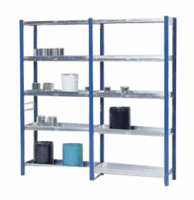
- Materials: Polyethylene, Powder-Coated Steel, Structural Steel, Chemical-Resistant Polymers
- Capacity Range: Single Drum Storage to Multi-Drum Rack Systems
- Compliance: EPA Spill Containment Guidelines, OSHA Storage Standards, Secondary Containment Requirements
- Configurations: Stackable Racks, Drum Shelving, Spill Containment Sumps, Trailer Leak Containment Systems
- Applications: Drum Storage, Spill Containment, Warehouse Shelving, Chemical Storage Areas

Featured Products
Product Comparison Chart
Configuration Analysis
Industrial shelving and rack systems are available in multiple configurations designed around drum orientation, storage density, and liquid handling requirements. Horizontal drum racks position drums sideways to support dispensing through faucets or pumps while allowing access to bung openings. Vertical drum containment racks are designed for static storage and high-density warehouse applications where drums remain upright during storage. Modular shelving systems allow expansion by connecting additional bays or stacking units vertically to increase storage capacity without increasing floor space usage.
Containment rack systems integrate sump basins beneath shelving levels to capture leaks and spills from stored containers. Some configurations include removable grating platforms positioned above the sump for spill access and cleaning. Trailer-mounted containment systems are designed for transport applications and temporary spill control during loading or unloading operations.
Material Engineering and Construction
Polyethylene shelving and containment systems are rotationally molded using high-density polyethylene (HDPE) for chemical resistance and corrosion protection. Polyethylene construction is commonly used in environments involving acids, caustics, oils, and corrosive chemicals because the material resists rusting and chemical degradation. UV-stabilized polyethylene variants are available for outdoor storage applications exposed to sunlight and weather conditions.
Steel rack systems are typically manufactured from welded structural steel tubing and reinforced shelving components designed to support concentrated drum loads. Powder-coated and galvanized finishes provide corrosion resistance in industrial environments. Load capacities vary depending on shelf spacing, beam reinforcement, and rack dimensions. Heavy-duty systems may include forklift-compatible bases and reinforced support channels for drum transport operations.
Integrated spill sumps are engineered with reinforced sidewalls and chemically resistant basins capable of containing liquid leaks from drums and pails stored above the containment area.
Regulatory Standards and Spill Compliance
Secondary containment shelving systems are commonly used to support compliance with EPA spill prevention regulations under 40 CFR 264.175 and OSHA hazardous material storage requirements. Containment sumps are designed to capture leaks from stored containers and help prevent spills from reaching floors, drains, or surrounding work areas.
Many industrial drum rack systems are configured to meet spill containment capacity requirements based on the volume of stored containers. Facilities handling hazardous liquids often require containment systems capable of holding at least 10% of the aggregate stored volume or the entire contents of the largest container, depending on local regulations.
Storage racks used for flammable or combustible liquids may also require compatibility with NFPA guidelines and facility fire code requirements. Chemical compatibility between stored liquids and rack materials must be evaluated before installation.
Industrial Applications
Containment shelving and drum rack systems are utilized across chemical processing, manufacturing, transportation, automotive, agriculture, and maintenance facilities. Warehouses use rack systems to increase drum storage density while maintaining aisle access and spill protection. Manufacturing plants commonly install horizontal dispensing racks near production lines for controlled liquid transfer operations.
Transportation and logistics operations use containment racks and trailer spill systems to manage leaks during loading, unloading, and staging activities. Agricultural facilities use shelving systems for fertilizer, pesticide, and liquid feed storage where secondary containment is required. Maintenance facilities often install containment shelving for lubricants, solvents, degreasers, and waste fluid collection.
Polyethylene containment shelving is frequently used in corrosive environments where metal systems may degrade over time.
Selection Criteria for Shelving and Rack Systems
Selecting an industrial shelving or containment rack system requires evaluating load capacity, chemical compatibility, storage orientation, and available floor space. Facilities storing corrosive chemicals typically use polyethylene systems, while high-capacity industrial storage operations may require reinforced steel racks.
Buyers should verify sump capacity, drum compatibility, forklift accessibility, and rack dimensions before installation. Indoor and outdoor environmental exposure, UV resistance requirements, and spill recovery procedures should also be considered. Systems used for dispensing operations may require additional accessories such as drum cradles, faucets, transfer pumps, or grounding components.
Facilities handling hazardous materials should confirm that containment capacities and rack configurations align with local environmental and workplace safety regulations.
| Product | Material | Primary Function | Containment Feature | Typical Application |
|---|---|---|---|---|
| Ultra Rack Sumps | Polyethylene | Spill Collection | Integrated Sump Basin | Rack Spill Containment |
| Rack, Stack, & Transport Drums | Steel | Drum Storage and Transport | Stackable Frame Design | Warehouse Drum Handling |
| Industrial Containment Storage Shelf Spill Systems | Steel / Poly | Shelving with Spill Protection | Secondary Containment Shelves | Chemical Storage Areas |
| Poly-Rack Shelving Racks | HDPE Polyethylene | Space-Saving Drum Storage | Chemical-Resistant Base | Corrosive Chemical Storage |
| Contain Drum Leaks on Trailers 2-Pack | Polyethylene | Mobile Spill Control | Leak Capture Basin | Transport and Loading Docks |
| Drum Containment Rack Systems | Steel / Poly | Multi-Drum Storage | Integrated Spill Sump | Industrial Drum Warehousing |
Configuration Analysis
Industrial shelving and rack systems are available in multiple configurations designed around drum orientation, storage density, and liquid handling requirements. Horizontal drum racks position drums sideways to support dispensing through faucets or pumps while allowing access to bung openings. Vertical drum containment racks are designed for static storage and high-density warehouse applications where drums remain upright during storage. Modular shelving systems allow expansion by connecting additional bays or stacking units vertically to increase storage capacity without increasing floor space usage.
Containment rack systems integrate sump basins beneath shelving levels to capture leaks and spills from stored containers. Some configurations include removable grating platforms positioned above the sump for spill access and cleaning. Trailer-mounted containment systems are designed for transport applications and temporary spill control during loading or unloading operations.
Material Engineering and Construction
Polyethylene shelving and containment systems are rotationally molded using high-density polyethylene (HDPE) for chemical resistance and corrosion protection. Polyethylene construction is commonly used in environments involving acids, caustics, oils, and corrosive chemicals because the material resists rusting and chemical degradation. UV-stabilized polyethylene variants are available for outdoor storage applications exposed to sunlight and weather conditions.
Steel rack systems are typically manufactured from welded structural steel tubing and reinforced shelving components designed to support concentrated drum loads. Powder-coated and galvanized finishes provide corrosion resistance in industrial environments. Load capacities vary depending on shelf spacing, beam reinforcement, and rack dimensions. Heavy-duty systems may include forklift-compatible bases and reinforced support channels for drum transport operations.
Integrated spill sumps are engineered with reinforced sidewalls and chemically resistant basins capable of containing liquid leaks from drums and pails stored above the containment area.
Regulatory Standards and Spill Compliance
Secondary containment shelving systems are commonly used to support compliance with EPA spill prevention regulations under 40 CFR 264.175 and OSHA hazardous material storage requirements. Containment sumps are designed to capture leaks from stored containers and help prevent spills from reaching floors, drains, or surrounding work areas.
Many industrial drum rack systems are configured to meet spill containment capacity requirements based on the volume of stored containers. Facilities handling hazardous liquids often require containment systems capable of holding at least 10% of the aggregate stored volume or the entire contents of the largest container, depending on local regulations.
Storage racks used for flammable or combustible liquids may also require compatibility with NFPA guidelines and facility fire code requirements. Chemical compatibility between stored liquids and rack materials must be evaluated before installation.
Industrial Applications
Containment shelving and drum rack systems are utilized across chemical processing, manufacturing, transportation, automotive, agriculture, and maintenance facilities. Warehouses use rack systems to increase drum storage density while maintaining aisle access and spill protection. Manufacturing plants commonly install horizontal dispensing racks near production lines for controlled liquid transfer operations.
Transportation and logistics operations use containment racks and trailer spill systems to manage leaks during loading, unloading, and staging activities. Agricultural facilities use shelving systems for fertilizer, pesticide, and liquid feed storage where secondary containment is required. Maintenance facilities often install containment shelving for lubricants, solvents, degreasers, and waste fluid collection.
Polyethylene containment shelving is frequently used in corrosive environments where metal systems may degrade over time.
Selection Criteria for Shelving and Rack Systems
Selecting an industrial shelving or containment rack system requires evaluating load capacity, chemical compatibility, storage orientation, and available floor space. Facilities storing corrosive chemicals typically use polyethylene systems, while high-capacity industrial storage operations may require reinforced steel racks.
Buyers should verify sump capacity, drum compatibility, forklift accessibility, and rack dimensions before installation. Indoor and outdoor environmental exposure, UV resistance requirements, and spill recovery procedures should also be considered. Systems used for dispensing operations may require additional accessories such as drum cradles, faucets, transfer pumps, or grounding components.
Facilities handling hazardous materials should confirm that containment capacities and rack configurations align with local environmental and workplace safety regulations.

