


Drum Leak Containment Systems for Trailers & Transport
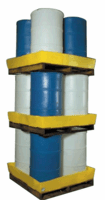
- Materials: Heavy-Duty Polyethylene Construction
- Dimensions: 48" x 48" x 10" Trailer Containment Platforms
- Configurations: Two-Pack Econo-Stacker Spill Containment Units
- Compliance: Secondary Containment for Drum Transport Applications
- Colors: Red, Yellow, Blue, Green, White, Black, Orange, and Gray

Product Comparison Chart
Trailer Spill Containment Configurations Trailer spill containment systems are engineered to provide secondary containment protection beneath drums and liquid storage containers during transportation and temporary staging. The Econo-Stacker configuration is specifically designed for flat trailer surfaces, warehouse floors, and mobile transport operations where liquid leaks can create environmental and workplace hazards. The two-pack format allows users to configure containment layouts across multiple drum positions or transport zones. Units measuring 48 inches by 48 inches accommodate standard industrial drum footprints and palletized liquid loads commonly used in manufacturing and chemical transport applications.
Polyethylene Material Engineering These containment systems are manufactured from molded polyethylene materials selected for corrosion resistance and chemical compatibility. Polyethylene construction resists rust, oxidation, and degradation caused by moisture exposure, unlike untreated steel containment alternatives. The molded one-piece design minimizes seam failures and liquid escape points during transport vibration and loading operations. Polyethylene containment platforms are commonly used with oils, lubricants, water-based chemicals, and many industrial cleaning compounds. The structural composition also reduces overall weight while maintaining load-bearing characteristics required for trailer and warehouse operations.
Secondary Containment and Regulatory Standards Secondary containment systems are utilized to assist facilities with spill management procedures and environmental compliance programs. Trailer containment units support liquid control strategies associated with EPA spill prevention requirements and facility housekeeping procedures. Spill containment equipment is frequently implemented in transportation operations involving drums containing chemicals, oils, hazardous waste, or industrial liquids. Containment platforms also help reduce floor contamination risks in loading areas, maintenance facilities, and transport staging zones. Facilities handling regulated materials may integrate containment systems into broader SPCC and hazardous material management programs.
Industrial Transportation Applications Trailer containment systems are utilized across multiple industrial sectors requiring drum transportation and mobile liquid storage management. Chemical processing facilities use containment platforms during interfacility transport and staging operations involving liquid raw materials and solvents. Manufacturing plants deploy spill containment systems beneath drums stored on trailers awaiting unloading or distribution. Agricultural operations use trailer containment platforms during pesticide, fertilizer, and liquid feed transport procedures. Waste management and environmental remediation contractors also utilize portable containment systems during field collection and hazardous waste transport activities.
Color-Coded Facility Management Multiple color configurations support operational identification and segregation requirements within industrial facilities. Color-coded containment platforms may be assigned to specific chemical classes, departments, waste streams, or transportation zones. Red and yellow units are commonly used in safety-related applications, while blue, green, white, gray, black, and orange configurations assist with visual organization within warehouses and transport operations. Color differentiation can also support lean manufacturing systems, spill response planning, and maintenance management procedures in large industrial facilities.
Selection Criteria for Trailer Spill Containment Selection of trailer spill containment systems requires evaluation of drum dimensions, transport layouts, liquid compatibility, and load distribution requirements. Buyers should verify platform dimensions against drum footprints and trailer deck spacing to ensure stable positioning during transport. Chemical compatibility between stored liquids and polyethylene materials should also be reviewed for long-term exposure conditions. Additional considerations include environmental exposure, UV resistance requirements, trailer weight limitations, and spill volume management objectives. Facilities operating in outdoor environments may also evaluate weather exposure and cleaning requirements when selecting containment equipment.
| Product Name | Dimensions | Pack Quantity | Material | Color | Application |
|---|---|---|---|---|---|
| Contain Drum Leaks on Trailers Econo-Stacker | 48 x 48 x 10 | 2-Pack | Polyethylene | Red | Trailer Drum Spill Containment |
| Contain Drum Leaks on Trailers Econo-Stacker | 48 x 48 x 10 | 2-Pack | Polyethylene | Yellow | Trailer Drum Spill Containment |
| Contain Drum Leaks on Trailers Econo-Stacker | 48 x 48 x 10 | 2-Pack | Polyethylene | Blue | Trailer Drum Spill Containment |
| Contain Drum Leaks on Trailers Econo-Stacker | 48 x 48 x 10 | 2-Pack | Polyethylene | Green | Trailer Drum Spill Containment |
| Contain Drum Leaks on Trailers Econo-Stacker | 48 x 48 x 10 | 2-Pack | Polyethylene | White | Trailer Drum Spill Containment |
| Contain Drum Leaks on Trailers Econo-Stacker | 48 x 48 x 10 | 2-Pack | Polyethylene | Black | Trailer Drum Spill Containment |
| Contain Drum Leaks on Trailers Econo-Stacker | 48 x 48 x 10 | 2-Pack | Polyethylene | Orange | Trailer Drum Spill Containment |
| Contain Drum Leaks on Trailers Econo-Stacker | 48 x 48 x 10 | 2-Pack | Polyethylene | Gray | Trailer Drum Spill Containment |
Trailer Spill Containment Configurations Trailer spill containment systems are engineered to provide secondary containment protection beneath drums and liquid storage containers during transportation and temporary staging. The Econo-Stacker configuration is specifically designed for flat trailer surfaces, warehouse floors, and mobile transport operations where liquid leaks can create environmental and workplace hazards. The two-pack format allows users to configure containment layouts across multiple drum positions or transport zones. Units measuring 48 inches by 48 inches accommodate standard industrial drum footprints and palletized liquid loads commonly used in manufacturing and chemical transport applications.
Polyethylene Material Engineering These containment systems are manufactured from molded polyethylene materials selected for corrosion resistance and chemical compatibility. Polyethylene construction resists rust, oxidation, and degradation caused by moisture exposure, unlike untreated steel containment alternatives. The molded one-piece design minimizes seam failures and liquid escape points during transport vibration and loading operations. Polyethylene containment platforms are commonly used with oils, lubricants, water-based chemicals, and many industrial cleaning compounds. The structural composition also reduces overall weight while maintaining load-bearing characteristics required for trailer and warehouse operations.
Secondary Containment and Regulatory Standards Secondary containment systems are utilized to assist facilities with spill management procedures and environmental compliance programs. Trailer containment units support liquid control strategies associated with EPA spill prevention requirements and facility housekeeping procedures. Spill containment equipment is frequently implemented in transportation operations involving drums containing chemicals, oils, hazardous waste, or industrial liquids. Containment platforms also help reduce floor contamination risks in loading areas, maintenance facilities, and transport staging zones. Facilities handling regulated materials may integrate containment systems into broader SPCC and hazardous material management programs.
Industrial Transportation Applications Trailer containment systems are utilized across multiple industrial sectors requiring drum transportation and mobile liquid storage management. Chemical processing facilities use containment platforms during interfacility transport and staging operations involving liquid raw materials and solvents. Manufacturing plants deploy spill containment systems beneath drums stored on trailers awaiting unloading or distribution. Agricultural operations use trailer containment platforms during pesticide, fertilizer, and liquid feed transport procedures. Waste management and environmental remediation contractors also utilize portable containment systems during field collection and hazardous waste transport activities.
Color-Coded Facility Management Multiple color configurations support operational identification and segregation requirements within industrial facilities. Color-coded containment platforms may be assigned to specific chemical classes, departments, waste streams, or transportation zones. Red and yellow units are commonly used in safety-related applications, while blue, green, white, gray, black, and orange configurations assist with visual organization within warehouses and transport operations. Color differentiation can also support lean manufacturing systems, spill response planning, and maintenance management procedures in large industrial facilities.
Selection Criteria for Trailer Spill Containment Selection of trailer spill containment systems requires evaluation of drum dimensions, transport layouts, liquid compatibility, and load distribution requirements. Buyers should verify platform dimensions against drum footprints and trailer deck spacing to ensure stable positioning during transport. Chemical compatibility between stored liquids and polyethylene materials should also be reviewed for long-term exposure conditions. Additional considerations include environmental exposure, UV resistance requirements, trailer weight limitations, and spill volume management objectives. Facilities operating in outdoor environments may also evaluate weather exposure and cleaning requirements when selecting containment equipment.

