


Industrial Containment Storage Shelves & Spill Systems
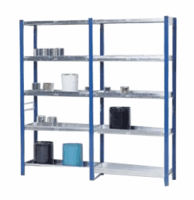
- Materials: Powder-Coated Steel Frames with Polyethylene Spill Control Trays.
- Shelf Configurations: 4-Shelf and 8-Shelf Industrial Storage Systems.
- Dimensions: 36" x 18" x 84", 36" x 24" x 84", 72" x 18" x 84", and 72" x 24" x 84".
- Containment Features: Integrated Spill Shelf Inserts for Leak and Drip Control.
- Applications: Chemical Storage, Industrial Supply Rooms, Maintenance Areas, and Hazmat Handling.

$1,199.95
$1,395.95
(You Save 14%)$1,395.95
$1,595.95
(You Save 13%)$1,999.95
$2,399.95
(You Save 17%)$2,399.95
$2,699.95
(You Save 11%)$89.95$109.95(You Save 18%)
| Buy More, Save More! | ||
|---|---|---|
| Quantity | Price Each | You Save |
| 1 - 3 pieces | $89.95 ea. | $20.00 (18%) |
| 4 - 7 pieces | $85.95 ea. | $24.00 (22%) |
| 8+ pieces | $79.95 ea. | $30.00 (27%) |
$99.95$119.95(You Save 17%)
| Buy More, Save More! | ||
|---|---|---|
| Quantity | Price Each | You Save |
| 1 - 3 pieces | $99.95 ea. | $20.00 (17%) |
| 4 - 7 pieces | $94.95 ea. | $25.00 (21%) |
| 8+ pieces | $89.95 ea. | $30.00 (25%) |
Product Comparison Chart
Industrial Shelf Containment Configurations Industrial containment shelving systems are designed to provide vertical chemical and fluid storage while incorporating secondary containment directly into the shelf structure. Standard configurations include compact 4-shelf systems for smaller maintenance rooms and expanded 8-shelf systems for higher-volume industrial storage applications. Shelf widths range from 36 inches to 72 inches, with available shelf depths of 18 inches and 24 inches. The deeper shelf profiles support larger pails, jugs, and chemical containers while maintaining organized access to stored materials. Containment shelf systems are commonly configured to separate incompatible materials and organize inventory by hazard class, process area, or maintenance function. Multi-level shelf arrangements increase usable storage capacity without expanding facility floor space.
Steel Frame Construction and Shelf Engineering The primary support structure of containment shelving systems is typically manufactured from industrial-grade steel with powder-coated finishes designed to resist corrosion, abrasion, and chemical exposure. Reinforced vertical uprights and cross braces provide load distribution across multiple shelf levels. Shelf systems are engineered to support substantial static loads generated by chemical containers, oils, lubricants, and industrial supplies. Powder-coated surfaces provide an additional barrier against moisture and chemical splash exposure. Structural rigidity is important in environments where heavy liquid containers are repeatedly loaded and unloaded from shelving systems using carts or manual handling procedures.
Polyethylene Spill Tray Design Spill control shelf inserts are manufactured from chemical-resistant polyethylene materials designed to capture leaks, drips, and minor spills at individual shelf levels. The removable tray design simplifies cleaning and liquid recovery operations while preventing contamination from spreading between shelves or reaching facility floors. Polyethylene trays are compatible with a broad range of industrial liquids, including oils, coolants, solvents, detergents, and water-based chemicals. Raised edges along the tray perimeter help retain spilled liquids within the shelf insert area. Tray systems also reduce corrosion risks associated with direct chemical contact on steel shelf surfaces.
Secondary Containment Compliance and Facility Safety Industrial containment shelving systems support spill prevention and hazardous material storage programs by incorporating localized secondary containment within storage areas. These systems are commonly utilized to assist facilities with compliance requirements related to OSHA workplace safety standards and EPA spill control regulations. Containment shelving is frequently installed in maintenance shops, chemical storage rooms, wastewater treatment facilities, manufacturing plants, and laboratory environments where leak containment is necessary to reduce slip hazards and environmental exposure risks. Shelf inserts can also simplify spill response procedures by isolating small leaks before they spread throughout a facility.
Industrial Applications and Product Selection Criteria Containment storage shelf systems are used across chemical processing, automotive maintenance, manufacturing, agricultural operations, and industrial supply storage applications. Facilities storing small chemical containers, lubricants, paints, degreasers, or cleaning compounds often utilize containment shelving to improve organization and reduce spill migration risks.
Selection criteria should include shelf dimensions, weight capacity, chemical compatibility, storage container size, and available floor space. Facilities storing corrosive materials may require enhanced chemical resistance in shelf tray materials, while high-volume operations may prioritize wider 72-inch systems to maximize storage density. Removable spill inserts can also reduce long-term maintenance requirements by simplifying routine cleaning and liquid recovery operations.
| Product | Shelf Configuration | Dimensions | Material | Containment Feature |
|---|---|---|---|---|
| Industrial Containment Storage Shelves | 4 Shelf System | 36" x 18" x 84" | Powder-Coated Steel | Integrated Spill Shelf Inserts |
| Industrial Containment Storage Shelves | 4 Shelf System | 36" x 24" x 84" | Powder-Coated Steel | Integrated Spill Shelf Inserts |
| Industrial Containment Storage Shelves | 8 Shelf System | 72" x 18" x 84" | Powder-Coated Steel | Integrated Spill Shelf Inserts |
| Industrial Containment Storage Shelves | 8 Shelf System | 72" x 24" x 84" | Powder-Coated Steel | Integrated Spill Shelf Inserts |
| Spill Control Tray Insert | Shelf Insert | 36" x 18" | Polyethylene | Leak and Drip Containment |
| Spill Control Tray Insert | Shelf Insert | 36" x 24" | Polyethylene | Leak and Drip Containment |
Industrial Shelf Containment Configurations Industrial containment shelving systems are designed to provide vertical chemical and fluid storage while incorporating secondary containment directly into the shelf structure. Standard configurations include compact 4-shelf systems for smaller maintenance rooms and expanded 8-shelf systems for higher-volume industrial storage applications. Shelf widths range from 36 inches to 72 inches, with available shelf depths of 18 inches and 24 inches. The deeper shelf profiles support larger pails, jugs, and chemical containers while maintaining organized access to stored materials. Containment shelf systems are commonly configured to separate incompatible materials and organize inventory by hazard class, process area, or maintenance function. Multi-level shelf arrangements increase usable storage capacity without expanding facility floor space.
Steel Frame Construction and Shelf Engineering The primary support structure of containment shelving systems is typically manufactured from industrial-grade steel with powder-coated finishes designed to resist corrosion, abrasion, and chemical exposure. Reinforced vertical uprights and cross braces provide load distribution across multiple shelf levels. Shelf systems are engineered to support substantial static loads generated by chemical containers, oils, lubricants, and industrial supplies. Powder-coated surfaces provide an additional barrier against moisture and chemical splash exposure. Structural rigidity is important in environments where heavy liquid containers are repeatedly loaded and unloaded from shelving systems using carts or manual handling procedures.
Polyethylene Spill Tray Design Spill control shelf inserts are manufactured from chemical-resistant polyethylene materials designed to capture leaks, drips, and minor spills at individual shelf levels. The removable tray design simplifies cleaning and liquid recovery operations while preventing contamination from spreading between shelves or reaching facility floors. Polyethylene trays are compatible with a broad range of industrial liquids, including oils, coolants, solvents, detergents, and water-based chemicals. Raised edges along the tray perimeter help retain spilled liquids within the shelf insert area. Tray systems also reduce corrosion risks associated with direct chemical contact on steel shelf surfaces.
Secondary Containment Compliance and Facility Safety Industrial containment shelving systems support spill prevention and hazardous material storage programs by incorporating localized secondary containment within storage areas. These systems are commonly utilized to assist facilities with compliance requirements related to OSHA workplace safety standards and EPA spill control regulations. Containment shelving is frequently installed in maintenance shops, chemical storage rooms, wastewater treatment facilities, manufacturing plants, and laboratory environments where leak containment is necessary to reduce slip hazards and environmental exposure risks. Shelf inserts can also simplify spill response procedures by isolating small leaks before they spread throughout a facility.
Industrial Applications and Product Selection Criteria Containment storage shelf systems are used across chemical processing, automotive maintenance, manufacturing, agricultural operations, and industrial supply storage applications. Facilities storing small chemical containers, lubricants, paints, degreasers, or cleaning compounds often utilize containment shelving to improve organization and reduce spill migration risks.
Selection criteria should include shelf dimensions, weight capacity, chemical compatibility, storage container size, and available floor space. Facilities storing corrosive materials may require enhanced chemical resistance in shelf tray materials, while high-volume operations may prioritize wider 72-inch systems to maximize storage density. Removable spill inserts can also reduce long-term maintenance requirements by simplifying routine cleaning and liquid recovery operations.

