


Hazmat Response Safety Tool Kits | Non-Sparking Tools
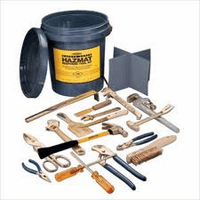
- Materials: AMPCO aluminum bronze and copper alloy non-sparking tools
- Applications: Hazardous material response, spill containment, flammable environments
- Compliance: OSHA, NFPA, and ATEX-compatible non-sparking tool applications
- Kit Components: Shovels, scoops, wrenches, scrapers, pliers, and containment tools
- Storage: Portable industrial-grade carrying case for emergency deployment

Product Comparison Chart
Non-Sparking Tool Construction and Material Engineering
Hazmat response safety tool kits are commonly manufactured using aluminum bronze or beryllium-free copper alloy materials engineered to reduce spark generation during impact or friction. These alloys are utilized in hazardous work environments where combustible gases, vapors, dust, or liquids may be present. Unlike hardened carbon steel tools, non-sparking alloys deform differently during contact, reducing the potential for ignition sources in classified work zones.
AMPCO safety tools are frequently used in petroleum refineries, chemical processing facilities, aviation fueling stations, paint manufacturing plants, and emergency spill response operations. In addition to spark resistance, these materials provide corrosion resistance against moisture, salt exposure, and various industrial chemicals. Many non-sparking tools are also non-magnetic, allowing use near sensitive electronic equipment and magnetic instrumentation systems.
Hazmat Emergency Response Applications
Hazmat response safety kits are designed for rapid deployment during chemical leaks, fuel spills, drum failures, and transportation incidents involving hazardous materials. Emergency response personnel utilize these kits to contain spills, transfer damaged containers, remove contaminated absorbents, and control hazardous work zones without introducing ignition hazards. Industrial sectors using hazmat response kits include oil and gas, wastewater treatment, marine transportation, pharmaceutical manufacturing, military operations, mining, and utility maintenance. Spill containment crews frequently deploy these tools alongside absorbents, overpack drums, drain covers, and containment berm systems during emergency mitigation procedures.
Portable carrying cases allow response teams to transport equipment directly to spill locations. Compact kit configurations also support vehicle mounting inside emergency response trucks, hazmat trailers, and industrial maintenance carts.
OSHA, NFPA, and Hazardous Location Compliance
Hazardous material response operations are regulated under multiple safety standards governing worker protection and ignition control. OSHA regulations require employers to provide suitable equipment for hazardous environments, while NFPA standards define procedures for flammable liquid handling and emergency response operations.
Non-sparking tools are commonly used in Class I, Division 1 and Division 2 hazardous locations where combustible vapors may be present during normal or abnormal operating conditions. Facilities handling fuels, solvents, alcohols, paints, or volatile chemicals often specify non-sparking maintenance and cleanup tools as part of facility safety programs.
Many industrial safety audits require documented spill response preparedness, including emergency containment supplies and spark-resistant equipment. Hazmat response tool kits assist facilities in meeting emergency preparedness requirements for chemical storage and transportation operations.
Tool Kit Configurations and Included Components
Hazmat response safety kits vary based on industrial application requirements and spill response procedures. Standard kits may include non-sparking shovels, adjustable wrenches, putty knives, scrapers, pliers, hammers, and drum handling accessories. Larger industrial kits may additionally include spill plugs, containment patches, grounding accessories, and chemical-resistant hand tools. Portable emergency kits are designed for vehicle transport and field deployment, while larger stationary systems may be stored in maintenance rooms or chemical handling areas. Heavy-duty carrying cases protect tools from environmental exposure and improve inventory control during emergency operations.
Facilities may also customize kit contents based on chemical compatibility requirements, transportation regulations, and site-specific hazard assessments.
Selection Criteria for Industrial Hazmat Tool Kits
Selecting a hazmat response safety tool kit requires evaluating the facility’s hazardous materials, spill response procedures, and environmental conditions. Facilities handling flammable liquids typically require non-sparking and non-magnetic tools to reduce ignition risks during cleanup operations.
Buyers should review alloy composition, corrosion resistance, portability requirements, and included tool configurations before selecting a kit. Additional considerations include storage location, environmental exposure, transportation compliance, and compatibility with spill containment equipment already used onsite.
Industrial maintenance teams often standardize tool kits across multiple facilities to simplify training procedures and maintain consistent emergency response protocols. Facilities operating under EPA, OSHA, or DOT oversight may also require documented inspection and maintenance procedures for emergency spill response equipment.
| Product | Material | Application | Tool Type | Portability |
|---|---|---|---|---|
| AMPCO Hazmat Response Safety Tool Kit | Aluminum Bronze Alloy | Hazmat Spill Response | Non-Sparking Hand Tools | Portable Carrying Case |
| Non-Sparking Adjustable Wrench Set | Copper Alloy | Hazardous Maintenance Areas | Wrenches | Portable |
| Industrial Spill Cleanup Tool Kit | Aluminum Bronze | Chemical Spill Containment | Shovels and Scrapers | Field Deployment |
| Emergency Response Utility Tool Set | Non-Magnetic Copper Alloy | Fuel and Solvent Handling | Multi-Tool Kit | Vehicle Mounted |
Non-Sparking Tool Construction and Material Engineering
Hazmat response safety tool kits are commonly manufactured using aluminum bronze or beryllium-free copper alloy materials engineered to reduce spark generation during impact or friction. These alloys are utilized in hazardous work environments where combustible gases, vapors, dust, or liquids may be present. Unlike hardened carbon steel tools, non-sparking alloys deform differently during contact, reducing the potential for ignition sources in classified work zones.
AMPCO safety tools are frequently used in petroleum refineries, chemical processing facilities, aviation fueling stations, paint manufacturing plants, and emergency spill response operations. In addition to spark resistance, these materials provide corrosion resistance against moisture, salt exposure, and various industrial chemicals. Many non-sparking tools are also non-magnetic, allowing use near sensitive electronic equipment and magnetic instrumentation systems.
Hazmat Emergency Response Applications
Hazmat response safety kits are designed for rapid deployment during chemical leaks, fuel spills, drum failures, and transportation incidents involving hazardous materials. Emergency response personnel utilize these kits to contain spills, transfer damaged containers, remove contaminated absorbents, and control hazardous work zones without introducing ignition hazards. Industrial sectors using hazmat response kits include oil and gas, wastewater treatment, marine transportation, pharmaceutical manufacturing, military operations, mining, and utility maintenance. Spill containment crews frequently deploy these tools alongside absorbents, overpack drums, drain covers, and containment berm systems during emergency mitigation procedures.
Portable carrying cases allow response teams to transport equipment directly to spill locations. Compact kit configurations also support vehicle mounting inside emergency response trucks, hazmat trailers, and industrial maintenance carts.
OSHA, NFPA, and Hazardous Location Compliance
Hazardous material response operations are regulated under multiple safety standards governing worker protection and ignition control. OSHA regulations require employers to provide suitable equipment for hazardous environments, while NFPA standards define procedures for flammable liquid handling and emergency response operations.
Non-sparking tools are commonly used in Class I, Division 1 and Division 2 hazardous locations where combustible vapors may be present during normal or abnormal operating conditions. Facilities handling fuels, solvents, alcohols, paints, or volatile chemicals often specify non-sparking maintenance and cleanup tools as part of facility safety programs.
Many industrial safety audits require documented spill response preparedness, including emergency containment supplies and spark-resistant equipment. Hazmat response tool kits assist facilities in meeting emergency preparedness requirements for chemical storage and transportation operations.
Tool Kit Configurations and Included Components
Hazmat response safety kits vary based on industrial application requirements and spill response procedures. Standard kits may include non-sparking shovels, adjustable wrenches, putty knives, scrapers, pliers, hammers, and drum handling accessories. Larger industrial kits may additionally include spill plugs, containment patches, grounding accessories, and chemical-resistant hand tools. Portable emergency kits are designed for vehicle transport and field deployment, while larger stationary systems may be stored in maintenance rooms or chemical handling areas. Heavy-duty carrying cases protect tools from environmental exposure and improve inventory control during emergency operations.
Facilities may also customize kit contents based on chemical compatibility requirements, transportation regulations, and site-specific hazard assessments.
Selection Criteria for Industrial Hazmat Tool Kits
Selecting a hazmat response safety tool kit requires evaluating the facility’s hazardous materials, spill response procedures, and environmental conditions. Facilities handling flammable liquids typically require non-sparking and non-magnetic tools to reduce ignition risks during cleanup operations.
Buyers should review alloy composition, corrosion resistance, portability requirements, and included tool configurations before selecting a kit. Additional considerations include storage location, environmental exposure, transportation compliance, and compatibility with spill containment equipment already used onsite.
Industrial maintenance teams often standardize tool kits across multiple facilities to simplify training procedures and maintain consistent emergency response protocols. Facilities operating under EPA, OSHA, or DOT oversight may also require documented inspection and maintenance procedures for emergency spill response equipment.

