


UN Rated Tight Head Steel Pails And Buckets
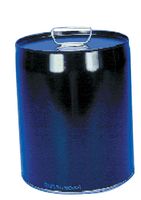
These industrial steel pails are available in 5 gallon and 7 gallon sizes with multiple configurations, including rust-inhibitor interiors and epoxy phenolic linings for chemical resistance. Tight-head designs reduce spill risk and are ideal for liquid chemicals, solvents, paints, and hazardous waste.
Many models include standard openings compatible with FlexSpout® systems or Trisure fittings for controlled dispensing. These steel pails are commonly used in chemical processing, manufacturing, automotive, and waste management operations.
For businesses needing reliable hazardous material packaging, UN rated steel pails offer compliance, durability, and long-term performance. Bulk pallet quantities and multiple lining options make them a practical choice for industrial buyers looking to meet safety standards while controlling costs.

$209.98
$275.00
(You Save 24%)$39.98$49.99(You Save 20%)
| Buy More, Save More! | ||
|---|---|---|
| Quantity | Price Each | You Save |
| 1 - 2 pieces | $39.98 ea. | $10.01 (20%) |
| 3 - 5 pieces | $37.98 ea. | $12.01 (24%) |
| 6 - 11 pieces | $35.98 ea. | $14.01 (28%) |
| 12+ pieces | $33.98 ea. | $16.01 (32%) |
$49.98$59.99(You Save 17%)
| Buy More, Save More! | ||
|---|---|---|
| Quantity | Price Each | You Save |
| 1 - 2 pieces | $49.98 ea. | $10.01 (17%) |
| 3 - 11 pieces | $44.98 ea. | $15.01 (25%) |
| 12+ pieces | $39.98 ea. | $20.01 (33%) |
PRODUCT TYPES:
UN rated tight head steel pails are available in several configurations to meet different handling and storage needs. Common options include 5 gallon and 7 gallon steel pails, with variations such as lined, unlined, and heavy-duty hazardous waste containers. Some models feature FlexSpout® openings for controlled pouring, while others include Trisure fittings with 2" and 3/4" NPT ports. Bulk packs and pallet quantities are available for high-volume operations, making these containers suitable for both small facilities and large-scale industrial use.
MATERIALS & DURABILITY: These industrial steel pails are manufactured from high-quality carbon steel, designed to withstand rough handling, stacking, and transport conditions. Rust-inhibitor interiors help prevent corrosion during storage, while epoxy phenolic linings provide added protection for aggressive chemicals. The tight-head design minimizes exposure to air and contaminants, reducing the risk of leaks or product degradation. Steel construction also offers better impact resistance compared to plastic alternatives.
INDUSTRY USE CASES: UN rated steel pails are widely used across industries that handle hazardous liquids. Common applications include chemical storage, solvent handling, paint and coating distribution, and hazardous waste collection. Automotive shops, manufacturing plants, and chemical processing facilities rely on these pails for safe transport and storage. They are also used for industrial cleaning fluids, oils, and specialty chemicals that require secure containment.
COMPLIANCE & SAFETY: These tight head steel pails are certified to meet UN and DOT 49 CFR requirements for hazardous material shipping. This ensures they can be used for regulated transport of dangerous goods. The secure closed-head design reduces spill risk, while compatible fittings allow for controlled dispensing. Using UN rated steel pails helps businesses stay compliant with safety regulations and avoid costly fines or shipping issues.
BUYING CONSIDERATIONS: When selecting industrial steel pails, buyers should consider lining type, fitting compatibility, and gauge thickness. Epoxy phenolic linings are recommended for corrosive chemicals, while rust-inhibitor interiors are suitable for general use. The choice between FlexSpout® openings and standard fittings depends on dispensing needs. Capacity requirements and pallet quantities should also be evaluated based on usage volume and storage space.
COST & EFFICIENCY: UN rated tight head steel pails offer long-term cost savings through durability and reusability. Their strength reduces damage during shipping, lowering replacement costs. Bulk purchasing options help reduce per-unit pricing, making them a cost-effective solution for industrial buyers. By ensuring compliance and minimizing spills, these steel pails also help reduce waste and improve overall operational efficiency.
MATERIALS & DURABILITY: These industrial steel pails are manufactured from high-quality carbon steel, designed to withstand rough handling, stacking, and transport conditions. Rust-inhibitor interiors help prevent corrosion during storage, while epoxy phenolic linings provide added protection for aggressive chemicals. The tight-head design minimizes exposure to air and contaminants, reducing the risk of leaks or product degradation. Steel construction also offers better impact resistance compared to plastic alternatives.
INDUSTRY USE CASES: UN rated steel pails are widely used across industries that handle hazardous liquids. Common applications include chemical storage, solvent handling, paint and coating distribution, and hazardous waste collection. Automotive shops, manufacturing plants, and chemical processing facilities rely on these pails for safe transport and storage. They are also used for industrial cleaning fluids, oils, and specialty chemicals that require secure containment.
COMPLIANCE & SAFETY: These tight head steel pails are certified to meet UN and DOT 49 CFR requirements for hazardous material shipping. This ensures they can be used for regulated transport of dangerous goods. The secure closed-head design reduces spill risk, while compatible fittings allow for controlled dispensing. Using UN rated steel pails helps businesses stay compliant with safety regulations and avoid costly fines or shipping issues.
BUYING CONSIDERATIONS: When selecting industrial steel pails, buyers should consider lining type, fitting compatibility, and gauge thickness. Epoxy phenolic linings are recommended for corrosive chemicals, while rust-inhibitor interiors are suitable for general use. The choice between FlexSpout® openings and standard fittings depends on dispensing needs. Capacity requirements and pallet quantities should also be evaluated based on usage volume and storage space.
COST & EFFICIENCY: UN rated tight head steel pails offer long-term cost savings through durability and reusability. Their strength reduces damage during shipping, lowering replacement costs. Bulk purchasing options help reduce per-unit pricing, making them a cost-effective solution for industrial buyers. By ensuring compliance and minimizing spills, these steel pails also help reduce waste and improve overall operational efficiency.

