


Ultra-SpillPallet P4 Plus | 4 Drum Spill Containment
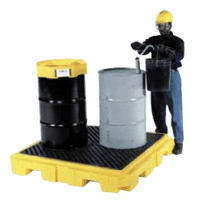
- Material: Polyethylene (LLDPE) Construction with Removable Grating
- Capacity: Designed for Four 55-Gallon Drums
- Compliance: EPA 40 CFR 264.175 and SPCC Secondary Containment Requirements
- Configuration: Low-Profile Spill Containment Pallet with Forklift Access
- Chemical Resistance: Compatible with Oils, Coolants, Chemicals, and Industrial Liquids

$510.97
$699.95
(You Save 27%)| Product | Material | Drum Capacity | Configuration | Compliance |
|---|---|---|---|---|
| Ultra-SpillPallet P4 Plus | Polyethylene (LLDPE) | 4 Drums | Low-Profile Spill Pallet | EPA & SPCC Compliant |
Spill Containment Configuration Analysis
Ultra-SpillPallet P4 Plus systems are designed as low-profile secondary containment platforms for storing multiple industrial drums in a compact footprint. The four-drum layout supports standard 55-gallon steel, plastic, or fiber drums while maintaining containment capacity beneath the grating surface. Low-profile designs reduce drum lifting height requirements compared to elevated spill platforms, helping facilities load and unload drums using pallet jacks, forklifts, or manual drum handling equipment.
Integrated forklift channels allow relocation of empty units throughout warehouses and production areas. Removable polyethylene grates create a stable drum support surface while allowing leaked liquids to drain directly into the sump reservoir below. This configuration isolates hazardous fluids from work surfaces and minimizes liquid spread across facility floors.
Polyethylene Material Engineering
Ultra-SpillPallet P4 Plus containment systems are manufactured from linear low-density polyethylene (LLDPE), a material selected for chemical resistance and structural durability in industrial spill control environments. Polyethylene construction resists corrosion from oils, solvents, acids, and many industrial chemicals that can damage painted steel containment systems.
Rotational molding processes create seamless construction without welded joints that may weaken under long-term chemical exposure. UV inhibitors are commonly incorporated into polyethylene formulations for outdoor use and resistance to sunlight degradation. The removable grating system distributes drum weight evenly while maintaining airflow and liquid drainage across the containment platform. Unlike steel containment pallets, polyethylene systems do not require repainting or rust mitigation in humid or corrosive environments. This material selection is commonly used in chemical storage areas, wastewater facilities, and industrial maintenance operations.
Regulatory Standards and Spill Compliance
Secondary containment pallets are used to support compliance with EPA spill prevention regulations and facility environmental management programs. Ultra-SpillPallet P4 Plus systems are commonly selected to assist facilities in meeting EPA 40 CFR 264.175 containment requirements for hazardous material storage.
SPCC (Spill Prevention, Control, and Countermeasure) programs often require containment systems capable of managing leaks from stored drums and containers. Spill containment pallets are used to prevent hazardous liquids from entering drains, soil, or surrounding work areas during equipment failure or accidental releases.
Facilities storing oils, lubricants, solvents, or chemical products frequently implement containment systems as part of OSHA workplace safety programs and environmental compliance strategies. Proper sizing of containment sump capacity should be evaluated based on the number of containers stored and the liquid volume requirements defined by facility regulations.
Industrial Applications and Facility Use
Ultra-SpillPallet P4 Plus systems are used across manufacturing, transportation, maintenance, chemical processing, and utility industries. Manufacturing facilities use these containment platforms for temporary drum staging and fluid dispensing operations involving oils, coolants, and lubricants. Chemical storage areas utilize spill pallets to isolate hazardous materials and reduce contamination risks during transfer operations. Maintenance departments commonly deploy containment systems beneath waste oil drums, cleaning chemicals, and fluid recovery containers. Warehouses and transportation staging facilities use spill pallets for temporary storage of inbound and outbound chemical shipments. Outdoor applications may include stormwater-sensitive areas where containment measures are necessary to prevent accidental discharge into drains or surrounding soil.
Selection Criteria for Spill Containment Systems
Selecting a spill containment pallet requires evaluation of chemical compatibility, sump capacity, drum quantity, and operational workflow. Polyethylene containment systems are commonly selected for corrosive chemical applications where steel units may degrade over time. Facilities should evaluate static load capacity requirements based on total drum weight and handling methods. Low-profile designs may improve ergonomic drum handling while reducing loading hazards. Forklift accessibility should also be reviewed for facilities requiring pallet relocation between workstations. Environmental exposure conditions, including UV exposure, temperature fluctuations, and chemical concentration levels, should be considered during product selection. Facilities handling aggressive solvents or hazardous chemicals should verify compatibility between stored liquids and containment materials before implementation.

