


Enpac Poly Slim-Line 6000 Spill Pallets
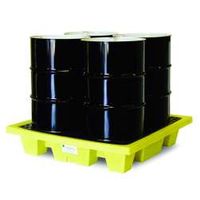
- Material: Polyethylene Spill Containment Construction
- Capacity: Low-Profile Slim-Line Spill Pallet System
- Compliance: EPA, SPCC, and Secondary Containment Applications
- Configuration: Standard Models, Drain Models, and Protective Covers
- Applications: Drum Storage, Chemical Handling, and Leak Containment

$269.97
$369.97
(You Save 27%)$294.97
$394.97
(You Save 25%)$222.97
$299.95
(You Save 26%)| Product | Material | Configuration | Drain Option | Application |
|---|---|---|---|---|
| Enpac Poly Slim-Line 6000 | Polyethylene | Low-Profile Spill Pallet | No | General Spill Containment |
| Enpac Poly Slim-Line 6000 With Drain | Polyethylene | Spill Pallet with Drain | Yes | Fluid Collection and Drainage |
| Pullover Cover For Enpac Poly Slim-Line 6000 | Protective Poly Cover | Weather and Debris Protection | N/A | Outdoor Spill Pallet Protection |
Low-Profile Spill Containment Configuration
The Enpac Poly Slim-Line™ 6000 series is engineered with a narrow footprint and low-profile deck height to support drum handling and spill containment in confined industrial environments. The slim configuration allows facilities to position drums against walls, near process equipment, or inside maintenance areas where floor space is limited. The low deck elevation also reduces strain during drum loading and unloading operations while supporting compatibility with forklifts and pallet jacks. The standard Slim-Line 6000 model is configured for passive secondary containment, collecting leaks and drips beneath stored containers. The drain-equipped version incorporates an integrated drainage connection that allows operators to transfer collected liquids into separate recovery containers or waste management systems when permitted by facility procedures.
Polyethylene Material Construction
These spill containment pallets are manufactured from molded polyethylene designed for resistance to corrosion, moisture exposure, and many industrial chemicals. Polyethylene construction eliminates rusting issues associated with steel containment systems and supports long-term use in humid, corrosive, or outdoor environments. The molded one-piece construction minimizes seam failures and helps contain spills within the sump area. Polyethylene also provides impact resistance during drum handling operations. This material is commonly selected for facilities storing acids, caustics, oils, lubricants, and water-based chemicals due to its broad chemical compatibility profile. Pullover covers for the Slim-Line 6000 provide additional environmental protection by shielding drums and containment areas from rainwater, dust, dirt, and debris accumulation. These covers assist facilities operating outdoor containment stations or contamination-sensitive storage areas.
Secondary Containment Compliance Requirements
Spill containment systems such as the Enpac Poly Slim-Line™ 6000 are commonly used to support compliance with EPA Spill Prevention, Control, and Countermeasure (SPCC) regulations and other environmental containment requirements. Secondary containment platforms are intended to capture leaks, overfills, and accidental discharges before liquids reach drains, soil, or surrounding workspaces.
Facilities storing hazardous liquids or petroleum products often implement spill pallets beneath drums to reduce environmental release risks and simplify spill response procedures. Drain-equipped models may require specific operating procedures to ensure collected liquids are managed according to local, state, and federal regulations. Containment systems should be inspected routinely for structural damage, sump capacity conditions, and accumulated liquids to maintain operational readiness and regulatory compliance.
Industrial Spill Management Applications
Poly spill pallets are used across chemical processing plants, manufacturing facilities, automotive service centers, wastewater treatment operations, agricultural storage locations, and warehouse environments. The slim-line footprint supports installation along production walls, storage aisles, and drum dispensing stations. These containment pallets are commonly used beneath 55-gallon drums, chemical feed containers, lubricants, cleaning agents, and industrial fluids. Drain models are often selected for washdown areas or facilities where liquid accumulation requires controlled removal. Protective pullover covers are frequently utilized in outdoor chemical storage applications where rainfall could otherwise reduce available sump capacity or introduce contamination into stored materials.
Selection Factors for Spill Pallet Systems
Selecting an appropriate spill pallet requires evaluation of container size, chemical compatibility, sump capacity requirements, and available floor space. Facilities should determine whether passive containment or integrated drainage capabilities are required based on operating conditions and spill management procedures. Environmental exposure conditions also influence selection criteria. Outdoor installations may require weather-resistant covers, UV-resistant materials, and larger sump capacities to account for rainwater management. Facilities handling aggressive chemicals should verify compatibility between stored liquids and polyethylene containment materials. Load capacity, forklift accessibility, and maintenance requirements should also be reviewed to ensure compatibility with facility handling equipment and operational workflows.

