


Fluorescent Lamp Compactor | 110V Bulb Crushers
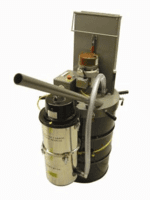
- Materials: Steel compactor housing with internal crushing chamber and filtration components.
- Capacity Range: Standard fluorescent lamp compactor and high-intensity discharge lamp compactor models.
- Electrical Rating: 110V operation for industrial and facility maintenance environments.
- Compliance Focus: Supports controlled lamp waste handling for facilities managing mercury-containing lamps under applicable EPA, OSHA, and state regulations.
- Access Type: Top-loading lamp feed design with sealed collection drum interface.

$4,988.88
$5,199.95
(You Save 4%)Product Comparison Chart
| Product | Voltage | Lamp Type | Primary Use | Configuration |
|---|---|---|---|---|
| Fluorescent Lamp Compactor Standard Lamp Compactor 110V | 110V | Standard fluorescent lamps | Facility lamp waste volume reduction | Standard lamp crushing unit |
| Fluorescent Lamp Compactor High Intensity Discharge Compactor 110V | 110V | High-intensity discharge lamps | HID lamp waste handling | HID lamp crushing unit |
Configuration Analysis
Fluorescent lamp compactors are designed to reduce intact lamp volume by crushing spent lamps into a collection drum or containment vessel. The standard 110V fluorescent lamp compactor is intended for facilities handling common fluorescent tubes generated through routine lighting maintenance. These lamps are usually long, fragile, and difficult to store in bulk without breakage. The compactor allows maintenance staff to process lamps at the point of collection instead of storing large quantities of intact bulbs. The high-intensity discharge compactor is configured for HID lamp types, which may include metal halide, mercury vapor, and high-pressure sodium lamps depending on the unit’s rated compatibility. HID lamps differ from linear fluorescent tubes in shape, arc tube construction, and internal materials, so the compactor type should match the waste stream being processed.
Material Engineering
Lamp compactors typically use a steel housing to contain the crushing mechanism and support repeated industrial use. The feed area is designed to guide lamps into the crushing chamber while limiting operator exposure to broken glass and phosphor dust. Internal components may include impact-resistant crushing parts, gasketed seals, and filtration assemblies. Filtration is a key engineering factor because fluorescent and HID lamps can contain mercury. Multi-stage filters may be used to capture particulates and reduce vapor release during operation. Facilities should inspect seals, drum connections, and filter condition according to the manufacturer’s maintenance schedule. A worn gasket or saturated filter can reduce containment performance and may create compliance issues.
Regulatory Standards
Spent fluorescent and HID lamps are commonly managed as universal waste when handled under applicable federal and state rules. Lamp crushing is regulated differently by state, and some jurisdictions restrict or prohibit crushing without specific controls, permits, or documentation. Buyers should verify whether on-site lamp compaction is allowed in their state before using a compactor. OSHA considerations include employee exposure control, eye protection, respiratory protection where required, and written procedures for broken lamp cleanup. EPA rules may apply to storage time limits, labeling, closed-container handling, employee training, and recycling or disposal records. The compactor does not remove the need for compliant waste handling; it changes the form and volume of the lamp waste.
Industrial Applications
Fluorescent lamp compactors are used in facilities that replace lamps in large quantities. Warehouses, distribution centers, schools, hospitals, office complexes, airports, factories, and municipal buildings often generate recurring lamp waste from lighting maintenance programs. Standard fluorescent compactors are used where linear tubes are the main waste stream. HID compactors are used in facilities with high-bay lighting, exterior security lighting, parking lot fixtures, gymnasiums, and industrial production spaces. By reducing volume, facilities can lower the number of storage containers required and improve handling efficiency before shipment to a recycler or approved waste processor.
Selection Criteria
The main selection factors are lamp type, voltage, waste volume, filter requirements, drum compatibility, and regulatory status. A standard fluorescent compactor should not be selected for HID lamps unless the manufacturer states compatibility. Facilities should confirm the 110V electrical supply, plug type, available work area, and ventilation needs. Buyers should also review replacement filter cost, filter change frequency, drum capacity, and required personal protective equipment. For multi-site operations, written handling procedures should be standardized so maintenance staff process lamps consistently. Documentation should include lamp collection dates, container labeling, filter replacement logs, and recycling or disposal records.

