


55 Gallon Food Grade Water Storage Barrels | Emergency & Rainwater Storage
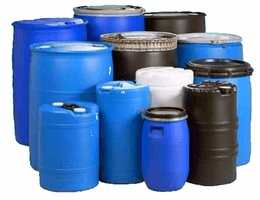
- Material Composition: FDA-approved HDPE and polypropylene options.
- Size/Capacity Range: 5-gallon jugs, 15-gallon barrels, 30-gallon barrels, and 55-gallon drums.
- Compliance/Ratings: Food-grade, potable water storage, FDA-approved material options.
- Closure Types: Closed-head drums, bung caps, 70mm caps, and sealed barrel openings.
- Use Types: Emergency water storage, rainwater collection, RV water transport, and preparedness systems.


$279.84$376.00(You Save 26%)
| Buy More, Save More! | ||
|---|---|---|
| Quantity | Price Each | You Save |
| 1 - 1 pieces | $279.84 ea. | $96.16 (26%) |
| 2+ pieces | $251.85 ea. | $124.15 (33%) |
$179.98
$211.00
(You Save 15%)$16.98
$24.98
(You Save 32%)$69.98
$89.98
(You Save 22%)$129.98$152.92(You Save 15%)
| Buy More, Save More! | ||
|---|---|---|
| Quantity | Price Each | You Save |
| 1 - 1 pieces | $129.98 ea. | $22.94 (15%) |
| 2+ pieces | $119.98 ea. | $32.94 (22%) |
$16.98
$39.98
(You Save 58%)$69.98$89.98(You Save 22%)
| Buy More, Save More! | ||
|---|---|---|
| Quantity | Price Each | You Save |
| 1 - 1 pieces | $69.98 ea. | $20.00 (22%) |
| 2+ pieces | $64.99 ea. | $24.99 (28%) |
$129.98$152.92(You Save 15%)
| Buy More, Save More! | ||
|---|---|---|
| Quantity | Price Each | You Save |
| 1 - 1 pieces | $129.98 ea. | $22.94 (15%) |
| 2+ pieces | $119.98 ea. | $32.94 (22%) |
Product Comparison Chart
Configuration Analysis Water storage containers in this section are primarily closed-head designs, meaning the container body has a fixed top with capped access points rather than a fully removable lid. This configuration helps limit exposure to dirt, insects, airborne debris, and handling contamination. Larger 55-gallon drums are suited for fixed storage locations such as garages, warehouses, storm-preparedness areas, farms, and RV support setups. Smaller 5-gallon jugs are easier to lift, move, dispense, and rotate. Intermediate 15-gallon and 30-gallon barrels provide a balance between storage capacity and portability.
Material Engineering The listed water storage products include FDA-approved HDPE and polypropylene options. HDPE is commonly used for potable water containers because it resists impact, moisture, and many environmental conditions. Polypropylene is also used in water storage products where chemical resistance and light container weight are required. Blue plastic barrels are often selected for water storage because the darker color helps reduce light exposure compared with natural translucent containers. Natural containers allow easier visual inspection of fill level but may allow more light penetration. Reconditioned containers should be evaluated based on prior food-use history and cleaning requirements.
Regulatory Standards Food-grade and FDA-approved material references indicate that the container resin is suitable for contact with consumable products under applicable food-contact use cases. For potable water storage, the main selection factors are material grade, prior use, closure condition, and cleanliness before filling. New barrels reduce concerns about prior contents. Used or reconditioned barrels should only be selected when the prior contents were food or beverage products, such as juice or soda. For emergency systems, buyers should also consider water treatment, rotation schedules, and compatible dispensing pumps or faucets.
Industrial Applications Food grade water barrels are used in residential, commercial, agricultural, and emergency-preparedness settings. Residential buyers use them for hurricane, tornado, earthquake, and storm readiness. RV owners use water barrels, bags, and bladders for travel support and temporary water supply. Agricultural users may use water barrels for field washing, animal support, or non-pressurized water storage. Commercial users may stage potable water reserves for facilities, job sites, warehouses, and maintenance operations. Smaller jugs are used when water must be moved by hand rather than stored in one fixed bulk container.
Selection Criteria Buyers should select container size based on storage location, lifting limits, refill access, and expected water demand. A 55-gallon barrel provides high volume but requires more floor space and is difficult to move when full. A 30-gallon barrel is easier to handle but stores less reserve water. A 15-gallon barrel or 5-gallon jug is better for short-distance transport, vehicle use, or limited storage space. Closure style should match the dispensing method. Bung openings support pumps and siphons, while 70mm caps are common on smaller rectangular jugs. For long-term storage, containers should be kept sealed, elevated from contaminated surfaces, and stored away from heat and direct sunlight.
| Product | Capacity | Material / Grade | Color Options | Closure Type | Primary Use |
|---|---|---|---|---|---|
| 55 Gallon New Fresh Water Storage Barrel | 4 Pack Drums | 55 gallons each | Food-grade material | Blue | Closed-top barrel openings | Bulk potable water storage |
| 55 Gallon Closed Top Plastic Drum | Food Grade Barrel | 55 gallons | Food-grade plastic | Blue | Closed top with bung access | Water storage and liquid containment |
| 55 Gallon Used Plastic Water Barrel or Rain Barrel | 55 gallons | Used / reconditioned food-use plastic | Blue or white | Closed-top barrel openings | Rainwater and emergency storage |
| 30 Gallon New Water Storage Barrel | 30 gallons | FDA-approved material | Blue or white | Closed-top barrel openings | Medium-volume water storage |
| 15 Gallon New Water Storage Barrel | 15 gallons | Plastic water storage material | Blue | 1/2 inch and 1 3/4 inch caps | Portable water storage |
| 5 Gallon Plastic Jug Closed-Head with 70mm Cap | 5 gallons | Plastic jug material | Blue or natural | 70mm cap | Portable water handling and small-volume storage |
Configuration Analysis Water storage containers in this section are primarily closed-head designs, meaning the container body has a fixed top with capped access points rather than a fully removable lid. This configuration helps limit exposure to dirt, insects, airborne debris, and handling contamination. Larger 55-gallon drums are suited for fixed storage locations such as garages, warehouses, storm-preparedness areas, farms, and RV support setups. Smaller 5-gallon jugs are easier to lift, move, dispense, and rotate. Intermediate 15-gallon and 30-gallon barrels provide a balance between storage capacity and portability.
Material Engineering The listed water storage products include FDA-approved HDPE and polypropylene options. HDPE is commonly used for potable water containers because it resists impact, moisture, and many environmental conditions. Polypropylene is also used in water storage products where chemical resistance and light container weight are required. Blue plastic barrels are often selected for water storage because the darker color helps reduce light exposure compared with natural translucent containers. Natural containers allow easier visual inspection of fill level but may allow more light penetration. Reconditioned containers should be evaluated based on prior food-use history and cleaning requirements.
Regulatory Standards Food-grade and FDA-approved material references indicate that the container resin is suitable for contact with consumable products under applicable food-contact use cases. For potable water storage, the main selection factors are material grade, prior use, closure condition, and cleanliness before filling. New barrels reduce concerns about prior contents. Used or reconditioned barrels should only be selected when the prior contents were food or beverage products, such as juice or soda. For emergency systems, buyers should also consider water treatment, rotation schedules, and compatible dispensing pumps or faucets.
Industrial Applications Food grade water barrels are used in residential, commercial, agricultural, and emergency-preparedness settings. Residential buyers use them for hurricane, tornado, earthquake, and storm readiness. RV owners use water barrels, bags, and bladders for travel support and temporary water supply. Agricultural users may use water barrels for field washing, animal support, or non-pressurized water storage. Commercial users may stage potable water reserves for facilities, job sites, warehouses, and maintenance operations. Smaller jugs are used when water must be moved by hand rather than stored in one fixed bulk container.
Selection Criteria Buyers should select container size based on storage location, lifting limits, refill access, and expected water demand. A 55-gallon barrel provides high volume but requires more floor space and is difficult to move when full. A 30-gallon barrel is easier to handle but stores less reserve water. A 15-gallon barrel or 5-gallon jug is better for short-distance transport, vehicle use, or limited storage space. Closure style should match the dispensing method. Bung openings support pumps and siphons, while 70mm caps are common on smaller rectangular jugs. For long-term storage, containers should be kept sealed, elevated from contaminated surfaces, and stored away from heat and direct sunlight.

