


Water Barrels, Storage Bags & Rain Collection Systems
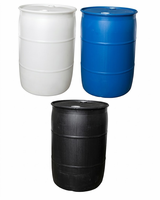
- Material Composition: High-Density Polyethylene (HDPE), Mylar, and Heavy-Duty PVC.
- Size/Capacity Range: 20-Gallon Bladders to 55-Gallon Industrial Drums and Large Tanks.
- Compliance/Ratings: FDA-Approved Food-Grade Materials, BPA-Free, UN-Rated.
- Closure Types: Removable Lids, Integrated Spigots, Heat-Sealable Mylar, and Threaded Bungs.

Featured Products

| Product Type | Material | Capacity | Primary Application |
|---|---|---|---|
| Standard Water Barrel | HDPE Plastic | 55 Gallons | Potable Water Storage |
| Rain Barrel System | Recycled/New HDPE | 55 Gallons | Rainwater Collection |
| Water Storage Bag/Bladder | Heavy Duty PVC/Plastic | 20 Gallons | Mobile Transport |
| Mylar Barrel Liner | Laminated Foil/Plastic | 55 Gallons | Contamination Barrier |
| Storage Tank (Poly-Mart®) | Polyethylene | Variable | High-Volume Harvesting |
Configuration Analysis Industrial water storage units are categorized by their structural rigidity and accessibility. Rigid HDPE drums are available in both closed-head and open-head configurations. Closed-head drums utilize dual bungs (typically 2" and 3/4") to prevent evaporation and external contamination, making them the standard for long-term potable water storage. Open-head systems, often utilized for rain barrels, feature removable lids that allow for the integration of diversion filters and screen mesh to prevent debris entry. Collapsible storage, such as water bladders and Mylar bags, provides a space-efficient alternative. These flexible configurations rely on atmospheric pressure for dispensing and are designed for rapid deployment in mobile or space-constrained environments.
Material Engineering The primary substrate for rigid storage is High-Density Polyethylene (HDPE), a thermoplastic polymer known for its high strength-to-density ratio. HDPE is chemically inert, preventing the leaching of plasticizers into the water supply. For flexible storage, specialized polymers and metalized Mylar are employed. Mylar liners provide an oxygen and light barrier, which is critical for preventing algae growth and oxidative degradation of the stored liquid. Reconditioned barrels undergo a standardized triple-wash process with antibacterial agents to remove residues from previous food-grade contents, such as vinegar or juice, ensuring the material remains BPA-free and safe for secondary water use.
Regulatory Standards Compliance in water storage is governed by FDA and DOT regulations. Food-grade certification signifies that the resin used in the manufacturing process meets 21 CFR 177.1520 standards for contact with food and potable water. For rain collection systems, standards focus on UV stabilization to prevent plastic degradation under direct sunlight. UN ratings are applied to containers intended for the transport of hazardous liquids, though most potable water barrels are rated for non-regulated solids or liquids. Standardized testing also includes hydrostatic pressure tests to ensure the integrity of the seams and closures under full-load conditions.
Industrial Applications The utility of these containers extends across multiple sectors. In the agricultural sector, rain barrels and tanks are integrated into irrigation systems to reduce reliance on municipal supplies. In industrial settings, HDPE drums serve as reservoirs for washing, cleaning, and fire suppression preparedness. Emergency management organizations utilize 55-gallon kits and 20-gallon bladders for rapid potable water distribution. Furthermore, environmental testing kits are often paired with these storage systems to monitor water quality, ensuring that stored supplies remain within safe parameters for their intended industrial or domestic use.
Selection Criteria When specifying a water storage system, technical factors including chemical compatibility and environmental exposure must be evaluated. For long-term storage, a completely opaque container is necessary to block UV rays and inhibit photosynthesis. Volume requirements dictate whether a single 55-gallon drum or a high-capacity Poly-Mart® tank is appropriate. Buyers must also consider the method of extraction; rigid drums require siphons or bung-mounted pumps, while bladders and rain barrels often utilize gravity-fed spigots. For environments where the water may be exposed to extreme temperatures or physical impact, the wall thickness (measured in mils or gauge) should be verified to ensure structural durability.
How To Install A Bulk Head Fitting In A Water Barrel So a Faucet and Water Hose Can Be Used.

