


Sparkless Socket Plug Wrench
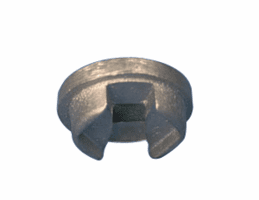
- Material: Non-sparking sparkless alloy construction for spark-sensitive work areas.
- Tool Type: Socket plug wrench for industrial container plugs and fittings.
- Configuration: Hand-operated plug wrench for manual opening and closing tasks.
- Use Case: Drum, barrel, and container plug removal or tightening.
- Applications: Chemical handling, fuel storage, maintenance, and hazardous material work areas.

| Buy More, Save More! | ||
|---|---|---|
| Quantity | Price Each | |
| 1 - 2 pieces | $95.34 ea. | |
| 3 - 5 pieces | $92.94 ea. | |
| 6+ pieces | $90.60 ea. | |
Product Comparison Chart
Configuration Analysis
Socket Plug Wrench Design A socket plug wrench is designed to engage container plugs, bungs, and fittings with a shaped contact point that transfers hand-applied torque. Unlike general-purpose adjustable wrenches, this tool is intended to fit specific plug profiles used on industrial containers. Proper engagement reduces slippage and helps maintain control when removing or tightening plugs. The tool is hand-operated, making it suitable for low-volume closure work, maintenance tasks, and field use where a fixed bench tool is not required.
Manual Operation and Plug Engagement The operator applies force directly through the wrench handle or drive body to rotate the plug. This configuration is used when plugs must be loosened for filling, venting, dispensing, inspection, or container cleaning. During closing, the wrench helps seat the plug against the gasket or sealing surface. Plug compatibility should be verified before use because an incorrect wrench profile can round the plug, damage the fitting, or prevent the plug from reaching the required sealing position.
Sparkless Alloy Construction Sparkless plug wrenches are manufactured from non-ferrous or non-sparking alloy materials that reduce the chance of ignition from tool contact. These materials are used where steel tools may create a spark hazard when striking or rubbing against metal plugs, drum fittings, or container surfaces. The alloy is selected for spark reduction rather than the same hardness characteristics as hardened steel. Users should avoid impact misuse, overloading, or using extensions unless permitted by the tool and facility procedure.
Wear and Contact Surface Control Because non-sparking alloys are generally softer than hardened tool steel, socket surfaces should be inspected for wear, spreading, cracks, or rounded contact points. Worn engagement surfaces may slip under load and can damage the plug. The tool should be kept clean so residues do not interfere with fit. In chemical environments, users should also check for corrosion, contamination, or material buildup that could affect plug engagement or safe handling.
Hazardous Work Area Use Sparkless socket plug wrenches are used in areas where flammable vapors, fuels, solvents, combustible dust, or chemical residues may be present. The tool supports safer manual plug handling by reducing spark potential during metal-to-metal contact. It does not replace required site controls such as ventilation, grounding, bonding, gas monitoring, personal protective equipment, or written hazardous-area procedures. Tool use should follow the facility safety plan and the safety data sheet for the material being handled.
Container Closure Requirements When plugs are used on transport or storage containers, proper closure affects leak resistance and handling safety. Regulated containers may have manufacturer closing instructions that specify plug type, gasket condition, thread engagement, and torque requirements. A sparkless socket plug wrench can be part of the closure process, but the operator must still follow the container supplier’s instructions. For hazardous material packaging, closure errors can affect DOT compliance, storage safety, and shipment acceptance.
Chemical and Fuel Handling This wrench is used in chemical plants, fuel storage areas, blending rooms, solvent handling operations, and maintenance shops where spark control is required. Common tasks include opening drum plugs for dispensing, tightening bungs after filling, removing plugs before cleaning, and resealing containers after inspection. Sparkless construction is especially relevant where flammable vapor may remain in or around the container.
Drum and Barrel Maintenance Industrial packaging facilities, drum reconditioning operations, waste handlers, and agricultural chemical users rely on plug wrenches for repeated container access. The tool may be used on steel drums, industrial barrels, and compatible container fittings. In reconditioning and maintenance settings, the wrench helps remove plugs without using improvised tools that may slip, damage the fitting, or introduce additional spark risk.
Plug Compatibility The first selection factor is the plug or bung profile. Buyers should confirm that the wrench matches the container plug shape and size before use. A correct fit provides better contact and reduces damage to the plug. Compatibility should be checked against the drum, barrel, or container fitting being serviced.
Work Environment Sparkless tools should be selected when work occurs around flammable liquids, vapors, solvents, fuels, or combustible residues. The tool should be used as part of a broader safety procedure, not as the only control measure. The container condition, residue type, ventilation, grounding, and work-area classification should be considered before opening plugs.
Use Frequency and Handling Conditions For occasional maintenance or low-volume container handling, a manual sparkless socket plug wrench provides a compact tool option. For higher-volume closure work, users may need additional torque-control tools or dedicated socket systems. Buyers should consider expected use frequency, plug material, container size, operator access, and whether formal torque verification is required for the application.
| Product | Tool Type | Material Type | Operation | Primary Use |
|---|---|---|---|---|
| Sparkless Socket Plug Wrench | Socket plug wrench | Sparkless non-sparking alloy | Manual hand operation | Opening and tightening compatible drum and container plugs |
Socket Plug Wrench Design A socket plug wrench is designed to engage container plugs, bungs, and fittings with a shaped contact point that transfers hand-applied torque. Unlike general-purpose adjustable wrenches, this tool is intended to fit specific plug profiles used on industrial containers. Proper engagement reduces slippage and helps maintain control when removing or tightening plugs. The tool is hand-operated, making it suitable for low-volume closure work, maintenance tasks, and field use where a fixed bench tool is not required.
Manual Operation and Plug Engagement The operator applies force directly through the wrench handle or drive body to rotate the plug. This configuration is used when plugs must be loosened for filling, venting, dispensing, inspection, or container cleaning. During closing, the wrench helps seat the plug against the gasket or sealing surface. Plug compatibility should be verified before use because an incorrect wrench profile can round the plug, damage the fitting, or prevent the plug from reaching the required sealing position.
Sparkless Alloy Construction Sparkless plug wrenches are manufactured from non-ferrous or non-sparking alloy materials that reduce the chance of ignition from tool contact. These materials are used where steel tools may create a spark hazard when striking or rubbing against metal plugs, drum fittings, or container surfaces. The alloy is selected for spark reduction rather than the same hardness characteristics as hardened steel. Users should avoid impact misuse, overloading, or using extensions unless permitted by the tool and facility procedure.
Wear and Contact Surface Control Because non-sparking alloys are generally softer than hardened tool steel, socket surfaces should be inspected for wear, spreading, cracks, or rounded contact points. Worn engagement surfaces may slip under load and can damage the plug. The tool should be kept clean so residues do not interfere with fit. In chemical environments, users should also check for corrosion, contamination, or material buildup that could affect plug engagement or safe handling.
Hazardous Work Area Use Sparkless socket plug wrenches are used in areas where flammable vapors, fuels, solvents, combustible dust, or chemical residues may be present. The tool supports safer manual plug handling by reducing spark potential during metal-to-metal contact. It does not replace required site controls such as ventilation, grounding, bonding, gas monitoring, personal protective equipment, or written hazardous-area procedures. Tool use should follow the facility safety plan and the safety data sheet for the material being handled.
Container Closure Requirements When plugs are used on transport or storage containers, proper closure affects leak resistance and handling safety. Regulated containers may have manufacturer closing instructions that specify plug type, gasket condition, thread engagement, and torque requirements. A sparkless socket plug wrench can be part of the closure process, but the operator must still follow the container supplier’s instructions. For hazardous material packaging, closure errors can affect DOT compliance, storage safety, and shipment acceptance.
Chemical and Fuel Handling This wrench is used in chemical plants, fuel storage areas, blending rooms, solvent handling operations, and maintenance shops where spark control is required. Common tasks include opening drum plugs for dispensing, tightening bungs after filling, removing plugs before cleaning, and resealing containers after inspection. Sparkless construction is especially relevant where flammable vapor may remain in or around the container.
Drum and Barrel Maintenance Industrial packaging facilities, drum reconditioning operations, waste handlers, and agricultural chemical users rely on plug wrenches for repeated container access. The tool may be used on steel drums, industrial barrels, and compatible container fittings. In reconditioning and maintenance settings, the wrench helps remove plugs without using improvised tools that may slip, damage the fitting, or introduce additional spark risk.
Plug Compatibility The first selection factor is the plug or bung profile. Buyers should confirm that the wrench matches the container plug shape and size before use. A correct fit provides better contact and reduces damage to the plug. Compatibility should be checked against the drum, barrel, or container fitting being serviced.
Work Environment Sparkless tools should be selected when work occurs around flammable liquids, vapors, solvents, fuels, or combustible residues. The tool should be used as part of a broader safety procedure, not as the only control measure. The container condition, residue type, ventilation, grounding, and work-area classification should be considered before opening plugs.
Use Frequency and Handling Conditions For occasional maintenance or low-volume container handling, a manual sparkless socket plug wrench provides a compact tool option. For higher-volume closure work, users may need additional torque-control tools or dedicated socket systems. Buyers should consider expected use frequency, plug material, container size, operator access, and whether formal torque verification is required for the application.

