


Drum Plug Impact Socket Wrench
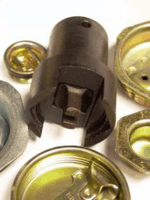
- Material: Industrial impact-rated metal socket wrench construction.
- Tool Type: Drum plug impact socket wrench for container plugs and bungs.
- Configuration: Socket-style plug wrench for use with compatible impact tools.
- Use Case: Opening and tightening drum plugs in industrial container handling.
- Applications: Drum maintenance, chemical packaging, reconditioning, and bulk liquid handling.

$209.95
$259.95
(You Save 19%)
Product Comparison Chart
Configuration Analysis
Impact Socket Wrench Design A drum plug impact socket wrench is designed to engage drum plugs and transfer rotational force through a socket-style profile. Unlike a basic hand plug wrench, an impact socket wrench is used with compatible powered or impact-assisted tools when plugs are tight, corroded, sealed, or repeatedly handled in production settings. The socket shape must match the drum plug profile to prevent slippage, rounding, or uneven force transfer. This configuration is suited for maintenance departments, drum reconditioning operations, and facilities that process multiple containers.
Manual Versus Impact-Assisted Plug Removal Manual plug wrenches rely on operator-applied leverage, while an impact socket wrench allows rotational force to be applied through a compatible drive tool. Impact-assisted use can reduce operator strain during repeated plug removal tasks, but it requires more control. Excess torque can damage plug threads, deform fittings, tear gaskets, or distort drum openings. For closing operations, users should verify whether impact tools are permitted by the container manufacturer’s closing instructions or whether final tightening must be completed with a calibrated torque wrench.
Impact-Rated Socket Construction Impact socket tools are typically constructed from heavy-duty metal designed to withstand repeated torsional force. The socket body must resist deformation at the drive connection and at the plug engagement points. A proper fit between the socket and plug is important because loose contact concentrates force on small areas and increases the chance of damage. Users should inspect the tool before use for cracks, worn edges, spreading, or drive-end damage.
Drive Interface and Wear Control The drive interface connects the socket wrench to the compatible impact tool or drive handle. This connection should remain square, tight, and free of excessive play. Worn drive openings can reduce control and create inconsistent torque transfer. The plug engagement end should also be kept clean so dirt, rust, chemical residue, or gasket material does not interfere with fit. In facilities handling chemicals or waste materials, cleaning and inspection should be part of the tool-use procedure.
Container Closure Compliance Drum plugs used on regulated packaging may have specific closing instructions from the container manufacturer. These instructions can include plug type, gasket condition, thread engagement, and required torque values. When the drum is used for hazardous material shipment, improper closure may affect leak resistance and compliance with DOT transport requirements. An impact socket wrench may be used for opening or initial seating, but final closure should follow the required written procedure.
Workplace Safety Controls Impact-assisted plug removal should be evaluated under facility safety rules. Drums may contain liquid residue, vapor pressure, flammable materials, corrosive contents, or unknown substances. Before opening a plug, users should confirm the drum contents, relieve pressure according to procedure, wear required protective equipment, and follow OSHA workplace safety practices. If flammable vapors are present, users should verify whether powered impact tools and standard steel sockets are allowed in that work area.
Drum Reconditioning and Recycling Drum reconditioning facilities use plug removal tools to open containers before cleaning, inspection, draining, or processing. A drum plug impact socket wrench can help remove plugs that are difficult to loosen due to age, dried material, thread contamination, or prior over-tightening. This use is common in operations handling steel drums, industrial barrels, and bulk packaging returned from chemical, food, agricultural, or manufacturing supply chains.
Chemical Packaging and Maintenance Chemical packaging plants, blending facilities, and maintenance departments use drum plug tools for filling, dispensing, inspection, and storage tasks. Impact socket wrenches may be used when plug access is frequent or when high-volume workflows require faster plug removal. Applications may include solvents, oils, lubricants, coatings, cleaning chemicals, and industrial process fluids, depending on drum compatibility and facility procedures.
Plug Profile Compatibility The first selection factor is the shape and size of the drum plug. The socket must match the plug profile to maintain proper contact. A mismatched tool can round the plug, damage the socket, or make the closure harder to remove later. Buyers should verify plug style, bung size, drum type, and drive connection before selecting a drum plug impact socket wrench.
Torque and Closure Control Impact tools can apply torque quickly, so operators should avoid using them as a substitute for required torque-control procedures. If a drum requires a specific closing torque, a torque wrench should be used for final verification unless the written closure instructions allow another method. Over-tightening can damage gaskets and threads, while under-tightening can allow leaks or plug movement during handling.
Work Area Conditions The work environment affects tool selection. In ordinary maintenance areas, an impact socket wrench may be suitable for repeated plug removal. In flammable or spark-sensitive areas, buyers should determine whether a non-sparking socket or manual sparkless tool is required instead. Drum contents, vapor risk, chemical compatibility, ventilation, grounding, and facility safety rules should be reviewed before selecting impact-assisted plug tools.
| Product | Tool Type | Operation | Compatible Use | Primary Application |
|---|---|---|---|---|
| Drum Plug Impact Socket Wrench | Impact socket wrench | Powered or impact-assisted rotation | Compatible drum plugs and bungs | Opening and tightening industrial drum plugs |
Impact Socket Wrench Design A drum plug impact socket wrench is designed to engage drum plugs and transfer rotational force through a socket-style profile. Unlike a basic hand plug wrench, an impact socket wrench is used with compatible powered or impact-assisted tools when plugs are tight, corroded, sealed, or repeatedly handled in production settings. The socket shape must match the drum plug profile to prevent slippage, rounding, or uneven force transfer. This configuration is suited for maintenance departments, drum reconditioning operations, and facilities that process multiple containers.
Manual Versus Impact-Assisted Plug Removal Manual plug wrenches rely on operator-applied leverage, while an impact socket wrench allows rotational force to be applied through a compatible drive tool. Impact-assisted use can reduce operator strain during repeated plug removal tasks, but it requires more control. Excess torque can damage plug threads, deform fittings, tear gaskets, or distort drum openings. For closing operations, users should verify whether impact tools are permitted by the container manufacturer’s closing instructions or whether final tightening must be completed with a calibrated torque wrench.
Impact-Rated Socket Construction Impact socket tools are typically constructed from heavy-duty metal designed to withstand repeated torsional force. The socket body must resist deformation at the drive connection and at the plug engagement points. A proper fit between the socket and plug is important because loose contact concentrates force on small areas and increases the chance of damage. Users should inspect the tool before use for cracks, worn edges, spreading, or drive-end damage.
Drive Interface and Wear Control The drive interface connects the socket wrench to the compatible impact tool or drive handle. This connection should remain square, tight, and free of excessive play. Worn drive openings can reduce control and create inconsistent torque transfer. The plug engagement end should also be kept clean so dirt, rust, chemical residue, or gasket material does not interfere with fit. In facilities handling chemicals or waste materials, cleaning and inspection should be part of the tool-use procedure.
Container Closure Compliance Drum plugs used on regulated packaging may have specific closing instructions from the container manufacturer. These instructions can include plug type, gasket condition, thread engagement, and required torque values. When the drum is used for hazardous material shipment, improper closure may affect leak resistance and compliance with DOT transport requirements. An impact socket wrench may be used for opening or initial seating, but final closure should follow the required written procedure.
Workplace Safety Controls Impact-assisted plug removal should be evaluated under facility safety rules. Drums may contain liquid residue, vapor pressure, flammable materials, corrosive contents, or unknown substances. Before opening a plug, users should confirm the drum contents, relieve pressure according to procedure, wear required protective equipment, and follow OSHA workplace safety practices. If flammable vapors are present, users should verify whether powered impact tools and standard steel sockets are allowed in that work area.
Drum Reconditioning and Recycling Drum reconditioning facilities use plug removal tools to open containers before cleaning, inspection, draining, or processing. A drum plug impact socket wrench can help remove plugs that are difficult to loosen due to age, dried material, thread contamination, or prior over-tightening. This use is common in operations handling steel drums, industrial barrels, and bulk packaging returned from chemical, food, agricultural, or manufacturing supply chains.
Chemical Packaging and Maintenance Chemical packaging plants, blending facilities, and maintenance departments use drum plug tools for filling, dispensing, inspection, and storage tasks. Impact socket wrenches may be used when plug access is frequent or when high-volume workflows require faster plug removal. Applications may include solvents, oils, lubricants, coatings, cleaning chemicals, and industrial process fluids, depending on drum compatibility and facility procedures.
Plug Profile Compatibility The first selection factor is the shape and size of the drum plug. The socket must match the plug profile to maintain proper contact. A mismatched tool can round the plug, damage the socket, or make the closure harder to remove later. Buyers should verify plug style, bung size, drum type, and drive connection before selecting a drum plug impact socket wrench.
Torque and Closure Control Impact tools can apply torque quickly, so operators should avoid using them as a substitute for required torque-control procedures. If a drum requires a specific closing torque, a torque wrench should be used for final verification unless the written closure instructions allow another method. Over-tightening can damage gaskets and threads, while under-tightening can allow leaks or plug movement during handling.
Work Area Conditions The work environment affects tool selection. In ordinary maintenance areas, an impact socket wrench may be suitable for repeated plug removal. In flammable or spark-sensitive areas, buyers should determine whether a non-sparking socket or manual sparkless tool is required instead. Drum contents, vapor risk, chemical compatibility, ventilation, grounding, and facility safety rules should be reviewed before selecting impact-assisted plug tools.

