


Pre-Set Torque Wrench for 70mm Screwcaps
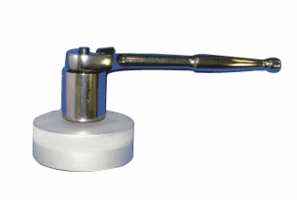
- Material/Construction: Industrial torque wrench body with screwcap engagement head.
- Cap Compatibility: 70mm screwcaps for drums, jugs, pails, and liquid containers.
- Torque Setting: Pre-set 120 in-lb torque specification.
- Configuration: Fixed-torque hand wrench for repeatable closure control.
- Use Case: Tightening screwcaps to a controlled torque value for storage and transport.

$1,698.98
$1,998.00
(You Save 15%)Product Comparison Chart
Pre-Set Torque Wrench Design A pre-set torque wrench is configured to apply one fixed torque value rather than a user-adjustable range. For 70mm screwcap applications, the wrench is set to 120 in-lb to support repeatable cap tightening across multiple containers. This design is used where operators need the same closure force for each cap without manually changing torque settings. The fixed setting reduces variation caused by guesswork, hand strength, or inconsistent tightening technique.
70mm Screwcap Engagement The wrench is selected based on the outside cap size and cap style. A 70mm screwcap requires a matching engagement head so the tool can grip the cap without slipping or damaging the closure. Proper engagement is important because cap ribs, sealing surfaces, and threads can be damaged if the wrench does not match the cap geometry. The tool should be used only with compatible screwcaps and container closures that require the stated torque value.
Torque Body Construction Pre-set torque wrenches are built around a controlled torque mechanism that signals or releases when the set value is reached. The tool body must resist repeated hand force while maintaining a consistent torque output. In closure work, the torque mechanism should be protected from drops, impact, dirt, chemical residue, and moisture exposure. Damaged torque tools may continue to turn the cap but no longer apply the correct torque value.
Cap Contact and Wear Points The screwcap engagement area should be checked for worn contact surfaces, cracks, or deformation. Repeated use on plastic caps can create wear on the tool head, especially if the wrench is misaligned during tightening. A worn or damaged head may slip over the cap ribs and produce inconsistent closure force. Operators should keep the contact area clean and verify that the wrench seats fully on the cap before applying torque.
Closure Torque and Shipping Control Screwcap torque can affect leak resistance, gasket compression, thread engagement, and package performance. In regulated packaging, the container manufacturer may provide closing instructions that specify the required torque for a specific cap and container combination. A 120 in-lb pre-set wrench supports consistent application of that value when it matches the written closure procedure. If the container is used for regulated transport, the torque procedure should be followed as part of the packaging control process.
DOT, OSHA, and Facility Procedures For containers used in hazardous material handling, closure work may be connected to DOT shipping requirements and internal safety procedures. OSHA workplace practices may also apply where operators handle chemicals, filled containers, or pressurized contents. The torque wrench does not replace cap inspection, gasket inspection, thread inspection, leak checks, or employee training. It is one part of a controlled closure process.
Liquid Packaging and Filling Lines Pre-set torque wrenches are used in filling operations where containers are capped by hand or require final torque verification after capping. Applications may include chemical products, cleaning compounds, lubricants, agricultural liquids, food-related liquids, and industrial fluids. A fixed 120 in-lb setting helps operators apply the same closing force across repeated containers without adjusting the tool between uses.
Storage, Shipping, and Maintenance Use These tools are also used in warehouses, maintenance departments, drum rooms, and container preparation areas. A 70mm screwcap may be opened for dispensing, sampling, inspection, or refilling, then retightened before storage or transport. Using a pre-set torque wrench helps reduce closure variation when multiple employees handle the same container type.
Cap Size and Torque Requirement The first selection factor is cap compatibility. Buyers should confirm that the container uses a 70mm screwcap and that the required closing torque is 120 in-lb. Cap size alone is not enough; thread design, gasket type, cap material, and container manufacturer instructions must also match the torque procedure. Using the wrong torque value can cause leaks, damaged threads, gasket compression problems, or difficult reopening.
Fixed Versus Adjustable Torque Tools A pre-set wrench is selected when one torque value is used repeatedly. It is suited for production, warehouse, and packaging operations where operators should not change the setting. Adjustable torque wrenches are more flexible when multiple cap sizes or torque values are used, but they require setting verification before each use. A fixed wrench simplifies repeated closure work when the application does not change.
Inspection and Calibration Practices Torque tools should be checked periodically to confirm they still apply the intended force. Inspection should include the wrench body, torque mechanism, cap engagement head, and any visible wear points. Facilities with formal quality-control procedures may require scheduled calibration or torque verification records. For shipping-sensitive containers, users should follow the cap supplier’s and container manufacturer’s written closure instructions before placing filled containers into storage or transport.
| Product | Cap Size | Torque Setting | Configuration | Primary Use |
|---|---|---|---|---|
| Pre-Set Torque Wrench for 120 in-lb Screwcaps | 70mm screwcaps | 120 in-lb | Fixed pre-set torque wrench | Controlled tightening of compatible screwcaps |
Pre-Set Torque Wrench Design A pre-set torque wrench is configured to apply one fixed torque value rather than a user-adjustable range. For 70mm screwcap applications, the wrench is set to 120 in-lb to support repeatable cap tightening across multiple containers. This design is used where operators need the same closure force for each cap without manually changing torque settings. The fixed setting reduces variation caused by guesswork, hand strength, or inconsistent tightening technique.
70mm Screwcap Engagement The wrench is selected based on the outside cap size and cap style. A 70mm screwcap requires a matching engagement head so the tool can grip the cap without slipping or damaging the closure. Proper engagement is important because cap ribs, sealing surfaces, and threads can be damaged if the wrench does not match the cap geometry. The tool should be used only with compatible screwcaps and container closures that require the stated torque value.
Torque Body Construction Pre-set torque wrenches are built around a controlled torque mechanism that signals or releases when the set value is reached. The tool body must resist repeated hand force while maintaining a consistent torque output. In closure work, the torque mechanism should be protected from drops, impact, dirt, chemical residue, and moisture exposure. Damaged torque tools may continue to turn the cap but no longer apply the correct torque value.
Cap Contact and Wear Points The screwcap engagement area should be checked for worn contact surfaces, cracks, or deformation. Repeated use on plastic caps can create wear on the tool head, especially if the wrench is misaligned during tightening. A worn or damaged head may slip over the cap ribs and produce inconsistent closure force. Operators should keep the contact area clean and verify that the wrench seats fully on the cap before applying torque.
Closure Torque and Shipping Control Screwcap torque can affect leak resistance, gasket compression, thread engagement, and package performance. In regulated packaging, the container manufacturer may provide closing instructions that specify the required torque for a specific cap and container combination. A 120 in-lb pre-set wrench supports consistent application of that value when it matches the written closure procedure. If the container is used for regulated transport, the torque procedure should be followed as part of the packaging control process.
DOT, OSHA, and Facility Procedures For containers used in hazardous material handling, closure work may be connected to DOT shipping requirements and internal safety procedures. OSHA workplace practices may also apply where operators handle chemicals, filled containers, or pressurized contents. The torque wrench does not replace cap inspection, gasket inspection, thread inspection, leak checks, or employee training. It is one part of a controlled closure process.
Liquid Packaging and Filling Lines Pre-set torque wrenches are used in filling operations where containers are capped by hand or require final torque verification after capping. Applications may include chemical products, cleaning compounds, lubricants, agricultural liquids, food-related liquids, and industrial fluids. A fixed 120 in-lb setting helps operators apply the same closing force across repeated containers without adjusting the tool between uses.
Storage, Shipping, and Maintenance Use These tools are also used in warehouses, maintenance departments, drum rooms, and container preparation areas. A 70mm screwcap may be opened for dispensing, sampling, inspection, or refilling, then retightened before storage or transport. Using a pre-set torque wrench helps reduce closure variation when multiple employees handle the same container type.
Cap Size and Torque Requirement The first selection factor is cap compatibility. Buyers should confirm that the container uses a 70mm screwcap and that the required closing torque is 120 in-lb. Cap size alone is not enough; thread design, gasket type, cap material, and container manufacturer instructions must also match the torque procedure. Using the wrong torque value can cause leaks, damaged threads, gasket compression problems, or difficult reopening.
Fixed Versus Adjustable Torque Tools A pre-set wrench is selected when one torque value is used repeatedly. It is suited for production, warehouse, and packaging operations where operators should not change the setting. Adjustable torque wrenches are more flexible when multiple cap sizes or torque values are used, but they require setting verification before each use. A fixed wrench simplifies repeated closure work when the application does not change.
Inspection and Calibration Practices Torque tools should be checked periodically to confirm they still apply the intended force. Inspection should include the wrench body, torque mechanism, cap engagement head, and any visible wear points. Facilities with formal quality-control procedures may require scheduled calibration or torque verification records. For shipping-sensitive containers, users should follow the cap supplier’s and container manufacturer’s written closure instructions before placing filled containers into storage or transport.

