


Stormwater Management BMPs | Drain Protection Systems
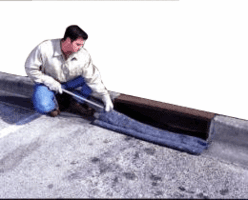
- Materials: Geotextile Fabric, Polypropylene, PVC, Steel Components.
- Applications: Storm Drain Filtration, Sediment Control, Dewatering, Oil Skimming.
- Compliance: Stormwater BMPs for EPA, NPDES, SWPPP, and construction site runoff management.
- Configurations: Catch Basin Inserts, Curb-Style Filters, Dewatering Bags, Passive Skimmers.
- Use Environments: Construction Sites, Industrial Facilities, Municipal Drainage Systems, Roadways.

Comparison Chart
Stormwater Filtration Configurations
Stormwater BMP systems are designed in multiple configurations to address varying runoff conditions, sediment loads, and drainage structures. Catch basin inserts such as the Ultra DrainGuard are positioned directly beneath storm drain grates to capture sediment, trash, and debris before discharge into underground drainage systems. Curb-insert styles are engineered specifically for roadway curb inlets where runoff enters through side openings rather than top grates. These systems use flow-through geotextile filtration to maintain drainage while trapping suspended solids. Dewatering bags are used during pumping and excavation operations where sediment-laden water must be filtered before discharge. Water pumped from trenches, containment areas, or excavations passes through the filtration fabric while solids remain contained within the bag structure. Passive skimmers are designed to absorb hydrocarbons such as oil and fuel from standing water or runoff collection systems without requiring active pumping or power systems.
Material Construction and Filtration Media
Most stormwater BMP products utilize non-woven geotextile fabrics engineered for sediment retention and water permeability. Polypropylene geotextiles resist moisture degradation, biological growth, and UV exposure during extended outdoor use. Fabric permeability ratings determine the flow rate and sediment capture capability of each system. Heavy-duty dewatering bags incorporate reinforced seams and higher denier fabrics to withstand pump discharge pressures and abrasive sediment loads. Reusable dewatering systems utilize reinforced stitching and cleanable filtration media to support multiple operating cycles. Oil skimmers contain absorbent materials specifically designed to attract hydrocarbons while repelling water, improving selective oil removal efficiency. Steel grate lifters and hooks are manufactured from coated or galvanized steel components to resist corrosion during repeated exposure to wet environments and stormwater infrastructure maintenance operations.
Regulatory Compliance and Stormwater Standards
Stormwater BMP products are commonly used to support compliance with EPA stormwater regulations and National Pollutant Discharge Elimination System (NPDES) permitting requirements. Construction projects operating under Stormwater Pollution Prevention Plans (SWPPP) frequently require sediment and debris containment measures at drainage points and discharge locations.
Municipal stormwater systems often mandate the use of drain inlet protection during excavation, paving, utility work, and site development activities. Dewatering discharge operations may require filtration systems capable of reducing suspended sediment prior to release into municipal drainage infrastructure or receiving waterways. BMP implementation assists facilities in reducing environmental contamination risks associated with sediment transport, hydrocarbons, and industrial debris entering stormwater systems.
Industrial and Municipal Applications
Stormwater management BMPs are used across construction, transportation, municipal maintenance, manufacturing, oil and gas, and utility industries. Construction sites use drain guards and dewatering bags during excavation, grading, and concrete operations to minimize sediment migration. Municipal crews install curb filters and drain inserts during roadway maintenance and storm sewer servicing projects.
Industrial facilities use passive skimmers and filtration systems around loading areas, containment zones, and outdoor processing operations where runoff contamination may occur. Utility contractors frequently deploy dewatering bags during trench excavation and underground infrastructure repairs. These systems are also utilized at airports, rail facilities, warehouses, and marine terminals where runoff control measures are required to limit sediment and pollutant discharge into surrounding drainage systems.
Stormwater BMP Selection Criteria
Stormwater BMP selection depends on drainage structure dimensions, anticipated flow rates, sediment particle size, and contaminant type. Catch basin inserts should be matched to grate dimensions and sump depth to maintain adequate water flow without overflow conditions. High-flow applications may require overflow bypass features to prevent roadway flooding during heavy rainfall events.
Dewatering bag sizing should account for pump discharge volume and sediment concentration. Larger bags provide increased filtration surface area and reduced clogging frequency during continuous pumping operations. Facilities handling petroleum products or fuel runoff should consider passive skimmers or hydrocarbon-specific absorbent technologies. Environmental exposure conditions, maintenance frequency, and disposal requirements should also be evaluated when selecting reusable versus disposable stormwater filtration systems.
| Product | Primary Function | Material | Application | Reusable |
|---|---|---|---|---|
| Ultra DrainGuard | Catch Basin Sediment Filtration | Geotextile Fabric | Storm Drain Protection | No |
| Ultra DrainGuard, Curb-Insert Style | Curb Inlet Sediment Control | Geotextile Fabric | Roadway Drainage | No |
| Ultra CurbGuard, Insert Style | Curb Opening Filtration | Polypropylene Fabric | Street Runoff Management | No |
| Ultra Dewatering Bags | Sediment Filtration During Pumping | Heavy-Duty Geotextile | Construction Dewatering | No |
| Ultra Reusable Dewatering Bags | Reusable Sediment Filtration | Reinforced Geotextile | Industrial Pumping Operations | Yes |
| Ultra Passive Skimmer | Hydrocarbon Removal | Oil-Absorbent Media | Stormwater Treatment | Replaceable Components |
| Ultra Grate Lifter and Ultra Grate Hook | Drain Access and Maintenance | Steel | Storm Drain Servicing | Yes |
Stormwater Filtration Configurations
Stormwater BMP systems are designed in multiple configurations to address varying runoff conditions, sediment loads, and drainage structures. Catch basin inserts such as the Ultra DrainGuard are positioned directly beneath storm drain grates to capture sediment, trash, and debris before discharge into underground drainage systems. Curb-insert styles are engineered specifically for roadway curb inlets where runoff enters through side openings rather than top grates. These systems use flow-through geotextile filtration to maintain drainage while trapping suspended solids. Dewatering bags are used during pumping and excavation operations where sediment-laden water must be filtered before discharge. Water pumped from trenches, containment areas, or excavations passes through the filtration fabric while solids remain contained within the bag structure. Passive skimmers are designed to absorb hydrocarbons such as oil and fuel from standing water or runoff collection systems without requiring active pumping or power systems.
Material Construction and Filtration Media
Most stormwater BMP products utilize non-woven geotextile fabrics engineered for sediment retention and water permeability. Polypropylene geotextiles resist moisture degradation, biological growth, and UV exposure during extended outdoor use. Fabric permeability ratings determine the flow rate and sediment capture capability of each system. Heavy-duty dewatering bags incorporate reinforced seams and higher denier fabrics to withstand pump discharge pressures and abrasive sediment loads. Reusable dewatering systems utilize reinforced stitching and cleanable filtration media to support multiple operating cycles. Oil skimmers contain absorbent materials specifically designed to attract hydrocarbons while repelling water, improving selective oil removal efficiency. Steel grate lifters and hooks are manufactured from coated or galvanized steel components to resist corrosion during repeated exposure to wet environments and stormwater infrastructure maintenance operations.
Regulatory Compliance and Stormwater Standards
Stormwater BMP products are commonly used to support compliance with EPA stormwater regulations and National Pollutant Discharge Elimination System (NPDES) permitting requirements. Construction projects operating under Stormwater Pollution Prevention Plans (SWPPP) frequently require sediment and debris containment measures at drainage points and discharge locations.
Municipal stormwater systems often mandate the use of drain inlet protection during excavation, paving, utility work, and site development activities. Dewatering discharge operations may require filtration systems capable of reducing suspended sediment prior to release into municipal drainage infrastructure or receiving waterways. BMP implementation assists facilities in reducing environmental contamination risks associated with sediment transport, hydrocarbons, and industrial debris entering stormwater systems.
Industrial and Municipal Applications
Stormwater management BMPs are used across construction, transportation, municipal maintenance, manufacturing, oil and gas, and utility industries. Construction sites use drain guards and dewatering bags during excavation, grading, and concrete operations to minimize sediment migration. Municipal crews install curb filters and drain inserts during roadway maintenance and storm sewer servicing projects.
Industrial facilities use passive skimmers and filtration systems around loading areas, containment zones, and outdoor processing operations where runoff contamination may occur. Utility contractors frequently deploy dewatering bags during trench excavation and underground infrastructure repairs. These systems are also utilized at airports, rail facilities, warehouses, and marine terminals where runoff control measures are required to limit sediment and pollutant discharge into surrounding drainage systems.
Stormwater BMP Selection Criteria
Stormwater BMP selection depends on drainage structure dimensions, anticipated flow rates, sediment particle size, and contaminant type. Catch basin inserts should be matched to grate dimensions and sump depth to maintain adequate water flow without overflow conditions. High-flow applications may require overflow bypass features to prevent roadway flooding during heavy rainfall events.
Dewatering bag sizing should account for pump discharge volume and sediment concentration. Larger bags provide increased filtration surface area and reduced clogging frequency during continuous pumping operations. Facilities handling petroleum products or fuel runoff should consider passive skimmers or hydrocarbon-specific absorbent technologies. Environmental exposure conditions, maintenance frequency, and disposal requirements should also be evaluated when selecting reusable versus disposable stormwater filtration systems.

