


Spill Berms & Drain Plugs | Spill Containment Systems
- Materials: Polyurethane, PVC, Copolymer Foam, Chemical-Resistant Fabrics
- Containment Types: Spill Berms, Drain Seals, Spill Control Barriers, Temporary Containment Walls
- Compliance: EPA SPCC, OSHA Spill Containment, Stormwater Protection Applications
- Applications: Chemical Storage, Fuel Transfer, Drum Containment, Drain Protection
- Configurations: Drive-Over Berms, Portable Berms, Reusable Drain Covers, Floor Spill Barriers

Comparison Chart
Spill Berm Configurations and Containment Design
Spill berm systems are available in multiple containment configurations designed for different spill control requirements. Standard spill berms feature flexible sidewalls supported by foam or compressible materials that allow vehicles and equipment to drive into containment areas without rigid barriers. Drive-over spill berms are commonly used for drum filling stations, tanker unloading, vehicle maintenance, and temporary hazardous material storage. Portable spill berms can be folded or rolled for transportation and rapid deployment during spill response operations. Some containment berms include modular wall systems for larger containment footprints or custom configurations around industrial equipment.
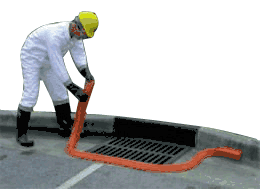
Drain protection products are engineered to isolate floor drains, storm drains, and wastewater openings during chemical handling or spill events. Drain seals are placed directly over drain grates to prevent liquids from entering drainage systems. Spill barriers and plugs may also be used around doorways, floor joints, or loading dock transitions to contain migrating liquids within controlled areas.
Material Construction and Chemical Resistance
Industrial spill berms are typically constructed from reinforced PVC, polyurethane-coated fabrics, or XR-5 geomembrane materials designed for chemical exposure and abrasion resistance. Fabric selection depends on the type of chemicals handled, temperature exposure, UV resistance requirements, and physical wear conditions. Polyurethane materials provide flexibility and resistance to oils, fuels, and many industrial chemicals. Reinforced PVC materials are frequently used in portable containment systems due to their durability and foldability.
Drain seals are commonly manufactured from non-absorbing polyurethane compounds that conform to uneven floor surfaces and drain grates. These materials create temporary liquid-tight seals while remaining reusable after cleaning. Certain drain covers are formulated for resistance to hydrocarbons, solvents, acids, and corrosive liquids commonly encountered in industrial spill control operations.
Containment wall construction may include foam-filled sidewalls, air-inflated supports, or mechanically supported barriers depending on the containment capacity and mobility requirements. High-traffic spill berms may incorporate reinforced drive pads and wear-resistant surfaces for forklift and vehicle access.
Regulatory Standards and Spill Compliance
Spill berms and drain protection systems are commonly used to support EPA Spill Prevention, Control, and Countermeasure (SPCC) compliance programs. Facilities storing oils, fuels, or hazardous chemicals may require secondary containment systems to prevent environmental contamination during leaks or transfer operations. OSHA workplace safety regulations also emphasize spill control and containment practices in industrial environments.
Drain seals help facilities comply with stormwater pollution prevention programs by preventing chemical discharges into municipal drainage systems. Spill response equipment is frequently incorporated into hazardous material handling plans, transportation operations, and emergency response procedures. Secondary containment systems may also support DOT hazardous material transportation requirements and local environmental regulations.
Industrial Spill Control Applications
Spill berms are widely used in chemical plants, refineries, transportation fleets, utility operations, and manufacturing facilities. Common applications include drum storage containment, fuel transfer operations, hydraulic equipment maintenance, transformer containment, and temporary spill response staging areas. Portable berms are frequently deployed beneath leaking vehicles, generators, pumps, or tanker trucks during maintenance and fueling activities.
Drain seals are commonly used in warehouses, loading docks, washdown areas, and emergency spill response operations where preventing liquid migration into drains is critical. Facilities handling oils, coolants, acids, solvents, or wastewater treatment chemicals often maintain drain protection equipment as part of their spill response inventory.
Selection Factors for Spill Berm Systems
Selecting a spill containment system requires evaluating containment volume, chemical compatibility, traffic exposure, and deployment conditions. Berm size should accommodate both the footprint of stored equipment and the required secondary containment capacity. Material compatibility is critical when handling corrosive chemicals, fuels, or solvents that may degrade standard containment fabrics.
Portable applications may require lightweight folding berms for rapid deployment, while permanent containment zones may utilize reinforced heavy-duty systems designed for repeated equipment access. Drain seal selection should consider drain dimensions, floor texture, chemical exposure, and required sealing performance. Facilities operating outdoors should also evaluate UV resistance, temperature exposure, and weather durability when selecting spill containment products.
| Product | Containment Type | Primary Material | Primary Application | Reusable |
|---|---|---|---|---|
| Ultra Spillberm Plus | Portable Spill Berm | Reinforced PVC Fabric | Vehicle and Drum Containment | Yes |
| Ultra Spillberm | Flexible Spill Containment Berm | Chemical-Resistant Fabric | Leak and Spill Control | Yes |
| Ultra Drainseal | Drain Seal Cover | Polyurethane | Drain Protection | Yes |
| Drain Spill Barrier | Floor Spill Diversion | Flexible Copolymer | Containment Around Drains | Yes |
Spill Berm Configurations and Containment Design
Spill berm systems are available in multiple containment configurations designed for different spill control requirements. Standard spill berms feature flexible sidewalls supported by foam or compressible materials that allow vehicles and equipment to drive into containment areas without rigid barriers. Drive-over spill berms are commonly used for drum filling stations, tanker unloading, vehicle maintenance, and temporary hazardous material storage. Portable spill berms can be folded or rolled for transportation and rapid deployment during spill response operations. Some containment berms include modular wall systems for larger containment footprints or custom configurations around industrial equipment.
Drain protection products are engineered to isolate floor drains, storm drains, and wastewater openings during chemical handling or spill events. Drain seals are placed directly over drain grates to prevent liquids from entering drainage systems. Spill barriers and plugs may also be used around doorways, floor joints, or loading dock transitions to contain migrating liquids within controlled areas.
Material Construction and Chemical Resistance
Industrial spill berms are typically constructed from reinforced PVC, polyurethane-coated fabrics, or XR-5 geomembrane materials designed for chemical exposure and abrasion resistance. Fabric selection depends on the type of chemicals handled, temperature exposure, UV resistance requirements, and physical wear conditions. Polyurethane materials provide flexibility and resistance to oils, fuels, and many industrial chemicals. Reinforced PVC materials are frequently used in portable containment systems due to their durability and foldability.
Drain seals are commonly manufactured from non-absorbing polyurethane compounds that conform to uneven floor surfaces and drain grates. These materials create temporary liquid-tight seals while remaining reusable after cleaning. Certain drain covers are formulated for resistance to hydrocarbons, solvents, acids, and corrosive liquids commonly encountered in industrial spill control operations.
Containment wall construction may include foam-filled sidewalls, air-inflated supports, or mechanically supported barriers depending on the containment capacity and mobility requirements. High-traffic spill berms may incorporate reinforced drive pads and wear-resistant surfaces for forklift and vehicle access.
Regulatory Standards and Spill Compliance
Spill berms and drain protection systems are commonly used to support EPA Spill Prevention, Control, and Countermeasure (SPCC) compliance programs. Facilities storing oils, fuels, or hazardous chemicals may require secondary containment systems to prevent environmental contamination during leaks or transfer operations. OSHA workplace safety regulations also emphasize spill control and containment practices in industrial environments.
Drain seals help facilities comply with stormwater pollution prevention programs by preventing chemical discharges into municipal drainage systems. Spill response equipment is frequently incorporated into hazardous material handling plans, transportation operations, and emergency response procedures. Secondary containment systems may also support DOT hazardous material transportation requirements and local environmental regulations.
Industrial Spill Control Applications
Spill berms are widely used in chemical plants, refineries, transportation fleets, utility operations, and manufacturing facilities. Common applications include drum storage containment, fuel transfer operations, hydraulic equipment maintenance, transformer containment, and temporary spill response staging areas. Portable berms are frequently deployed beneath leaking vehicles, generators, pumps, or tanker trucks during maintenance and fueling activities.
Drain seals are commonly used in warehouses, loading docks, washdown areas, and emergency spill response operations where preventing liquid migration into drains is critical. Facilities handling oils, coolants, acids, solvents, or wastewater treatment chemicals often maintain drain protection equipment as part of their spill response inventory.
Selection Factors for Spill Berm Systems
Selecting a spill containment system requires evaluating containment volume, chemical compatibility, traffic exposure, and deployment conditions. Berm size should accommodate both the footprint of stored equipment and the required secondary containment capacity. Material compatibility is critical when handling corrosive chemicals, fuels, or solvents that may degrade standard containment fabrics.
Portable applications may require lightweight folding berms for rapid deployment, while permanent containment zones may utilize reinforced heavy-duty systems designed for repeated equipment access. Drain seal selection should consider drain dimensions, floor texture, chemical exposure, and required sealing performance. Facilities operating outdoors should also evaluate UV resistance, temperature exposure, and weather durability when selecting spill containment products.

