


Truck Spill Kits & Spill Containment Tools
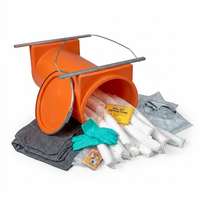
- Materials: Polyethylene, PVC, Copolymer Foam, Industrial Absorbents
- Containment Capacity: Portable Spill Kits to 7,405 Gallon Spill Berms
- Compliance: EPA SPCC, DOT, OSHA Spill Control Requirements
- Configurations: Semi-Truck Spill Kits, Portable Berms, Drain Seals, Secondary Containment Systems
- Applications: Fuel Transfer, Chemical Transport, Industrial Spill Response, Fleet Maintenance

Comparison Chart
Truck Spill Response Configurations
Truck spill containment systems are manufactured in several configurations designed for transportation fleets, industrial service vehicles, and emergency response operations. Semi-truck spill kits typically contain absorbent pads, socks, pillows, disposal bags, protective gloves, and containment accessories packaged within portable weather-resistant containers. These kits are commonly mounted on trucks or stored within fleet maintenance facilities for rapid deployment during fuel, oil, hydraulic fluid, or chemical leaks. Portable secondary containment berms are engineered for temporary liquid containment beneath tanker trucks, drums, generators, and mobile equipment. Flexible sidewall designs allow vehicles to drive into the berm while maintaining spill containment integrity. Drain seals and spill barriers are utilized to isolate storm drains and prevent contamination from migrating into municipal drainage systems or waterways.
Containment Material Engineering
Truck spill kits and containment products utilize materials selected for chemical resistance, puncture resistance, and environmental durability. Portable spill berms are commonly manufactured from reinforced PVC, polyurethane-coated fabrics, or copolymer materials designed to withstand petroleum products, industrial chemicals, and outdoor exposure conditions. Welded seams and reinforced corners improve structural performance during containment operations.
Absorbent products within spill kits are generally produced from melt-blown polypropylene fibers engineered for rapid liquid absorption. Universal absorbents are designed for water-based fluids, oils, coolants, and solvents, while oil-only absorbents selectively repel water during hydrocarbon spill recovery. Chemical absorbents are formulated to resist degradation when exposed to acids, caustics, and aggressive industrial liquids. Drain seals are typically manufactured from flexible polyurethane compounds capable of conforming to uneven surfaces and grate openings. Their tacky surface design helps create a temporary liquid barrier without requiring permanent installation hardware.
Regulatory Compliance and Spill Control Standards
Industrial spill containment systems are commonly implemented to support compliance with EPA Spill Prevention, Control, and Countermeasure (SPCC) regulations, OSHA workplace safety requirements, and DOT transportation guidelines. Facilities storing fuels, oils, or hazardous liquids may require secondary containment systems to reduce environmental release risks during leaks or transfer operations.
Portable spill berms and containment systems are frequently used during equipment fueling, tanker unloading, and temporary storage operations where permanent containment infrastructure is unavailable. Spill kits placed within commercial vehicles support emergency preparedness requirements for transportation fleets carrying regulated materials or operating within environmentally sensitive locations. Drain protection devices are utilized during spill emergencies to reduce contamination risks associated with stormwater systems, helping facilities support environmental compliance procedures and spill response planning requirements.
Industrial Applications and Spill Management
Truck spill kits and containment systems are used across transportation, oil and gas, manufacturing, agriculture, utilities, marine operations, and construction industries. Fleet operators utilize spill kits to manage hydraulic leaks, diesel spills, and lubrication fluid releases during roadside incidents or maintenance operations.
Portable containment berms are deployed beneath tanker trucks, frac tanks, generators, pumps, and fueling stations where temporary spill control is necessary. Construction companies often use containment systems around heavy equipment to capture leaks during field operations. Agricultural operations use portable berms and spill control tools during pesticide handling, fertilizer transfer, and fuel storage activities. Warehouses and industrial plants commonly integrate spill response stations near loading docks, chemical storage areas, and liquid transfer zones to improve response time during accidental releases.
Selection Criteria for Spill Containment Equipment
Selection of truck spill kits and containment systems depends on liquid type, containment volume requirements, environmental exposure conditions, and transportation needs. Facilities handling petroleum products typically require hydrocarbon-resistant absorbents and containment fabrics compatible with fuels and lubricants. Chemical handling operations may require chemically resistant absorbents and reinforced berm materials designed for corrosive liquids.
Containment sizing should account for the maximum potential spill volume, equipment footprint, and operational access requirements. Portable berm selection may also depend on setup speed, storage space limitations, and vehicle traffic considerations. Spill kits should be evaluated based on absorbent capacity, included response components, and compliance requirements associated with transported materials or industrial processes.
| Product Type | Primary Function | Material Construction | Typical Application | Mobility |
|---|---|---|---|---|
| Semi-Truck Spill Kit | Emergency Spill Response | Absorbents, Poly Containers | Fuel and Fluid Leaks | Portable |
| Portable Containment Berm | Secondary Spill Containment | PVC or Copolymer Fabric | Vehicle and Equipment Containment | Portable |
| Drain Seal | Drain Protection | Polyurethane | Storm Drain Isolation | Reusable |
| Absorbent Spill Pads | Liquid Absorption | Polypropylene Fibers | Oil and Chemical Cleanup | Portable |
Truck Spill Response Configurations
Truck spill containment systems are manufactured in several configurations designed for transportation fleets, industrial service vehicles, and emergency response operations. Semi-truck spill kits typically contain absorbent pads, socks, pillows, disposal bags, protective gloves, and containment accessories packaged within portable weather-resistant containers. These kits are commonly mounted on trucks or stored within fleet maintenance facilities for rapid deployment during fuel, oil, hydraulic fluid, or chemical leaks. Portable secondary containment berms are engineered for temporary liquid containment beneath tanker trucks, drums, generators, and mobile equipment. Flexible sidewall designs allow vehicles to drive into the berm while maintaining spill containment integrity. Drain seals and spill barriers are utilized to isolate storm drains and prevent contamination from migrating into municipal drainage systems or waterways.
Containment Material Engineering
Truck spill kits and containment products utilize materials selected for chemical resistance, puncture resistance, and environmental durability. Portable spill berms are commonly manufactured from reinforced PVC, polyurethane-coated fabrics, or copolymer materials designed to withstand petroleum products, industrial chemicals, and outdoor exposure conditions. Welded seams and reinforced corners improve structural performance during containment operations.
Absorbent products within spill kits are generally produced from melt-blown polypropylene fibers engineered for rapid liquid absorption. Universal absorbents are designed for water-based fluids, oils, coolants, and solvents, while oil-only absorbents selectively repel water during hydrocarbon spill recovery. Chemical absorbents are formulated to resist degradation when exposed to acids, caustics, and aggressive industrial liquids. Drain seals are typically manufactured from flexible polyurethane compounds capable of conforming to uneven surfaces and grate openings. Their tacky surface design helps create a temporary liquid barrier without requiring permanent installation hardware.
Regulatory Compliance and Spill Control Standards
Industrial spill containment systems are commonly implemented to support compliance with EPA Spill Prevention, Control, and Countermeasure (SPCC) regulations, OSHA workplace safety requirements, and DOT transportation guidelines. Facilities storing fuels, oils, or hazardous liquids may require secondary containment systems to reduce environmental release risks during leaks or transfer operations.
Portable spill berms and containment systems are frequently used during equipment fueling, tanker unloading, and temporary storage operations where permanent containment infrastructure is unavailable. Spill kits placed within commercial vehicles support emergency preparedness requirements for transportation fleets carrying regulated materials or operating within environmentally sensitive locations. Drain protection devices are utilized during spill emergencies to reduce contamination risks associated with stormwater systems, helping facilities support environmental compliance procedures and spill response planning requirements.
Industrial Applications and Spill Management
Truck spill kits and containment systems are used across transportation, oil and gas, manufacturing, agriculture, utilities, marine operations, and construction industries. Fleet operators utilize spill kits to manage hydraulic leaks, diesel spills, and lubrication fluid releases during roadside incidents or maintenance operations.
Portable containment berms are deployed beneath tanker trucks, frac tanks, generators, pumps, and fueling stations where temporary spill control is necessary. Construction companies often use containment systems around heavy equipment to capture leaks during field operations. Agricultural operations use portable berms and spill control tools during pesticide handling, fertilizer transfer, and fuel storage activities. Warehouses and industrial plants commonly integrate spill response stations near loading docks, chemical storage areas, and liquid transfer zones to improve response time during accidental releases.
Selection Criteria for Spill Containment Equipment
Selection of truck spill kits and containment systems depends on liquid type, containment volume requirements, environmental exposure conditions, and transportation needs. Facilities handling petroleum products typically require hydrocarbon-resistant absorbents and containment fabrics compatible with fuels and lubricants. Chemical handling operations may require chemically resistant absorbents and reinforced berm materials designed for corrosive liquids.
Containment sizing should account for the maximum potential spill volume, equipment footprint, and operational access requirements. Portable berm selection may also depend on setup speed, storage space limitations, and vehicle traffic considerations. Spill kits should be evaluated based on absorbent capacity, included response components, and compliance requirements associated with transported materials or industrial processes.

