


Fluorinated Poly Spill Pallets for Chlorinated Solvents
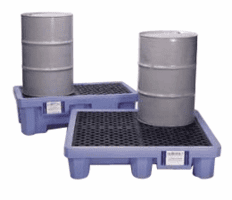
- Material Composition: Fluorinated Polyethylene (PE) Spill Containment Construction
- Capacity Range: 2-Drum and 4-Drum Spill Containment Configurations
- Chemical Compatibility: Engineered for Chlorinated Solvents and Aggressive Chemicals
- Compliance: Secondary Spill Containment for EPA, SPCC, and OSHA Applications
- Closure Options: Available With or Without Integrated Drain Plug Systems

$799.98
$879.95
(You Save 9%)$743.97
$899.95
(You Save 17%)$799.98
$869.98
(You Save 8%)$729.98
$899.99
(You Save 19%)$228.97
$338.97
(You Save 32%)$187.97
$287.97
(You Save 35%)| Product | Drum Capacity | Drain Plug | Material | Application |
|---|---|---|---|---|
| Ultra Fluorinated Poly Spill Pallet 4-Drum No Drain | 4 Drum | No | Fluorinated Polyethylene | Chlorinated Solvent Containment |
| Ultra Fluorinated Poly Spill Pallet 4-Drum With Drain | 4 Drum | Yes | Fluorinated Polyethylene | Hazardous Liquid Storage |
| Ultra Fluorinated Poly Spill Pallet 2-Drum No Drain | 2 Drum | No | Fluorinated Polyethylene | Chemical Spill Containment |
| Ultra Fluorinated Poly Spill Pallet 2-Drum With Drain | 2 Drum | Yes | Fluorinated Polyethylene | Solvent Handling Areas |
| Pullover Cover for 4-Drum Spill Pallets | 4 Drum | N/A | Protective Poly Cover | Weather and Debris Protection |
| Pullover Cover for 2-Drum Spill Pallets | 2 Drum | N/A | Protective Poly Cover | Containment Protection |
Fluorinated Spill Pallet Construction
Ultra fluorinated poly spill pallets are manufactured using specialized fluorination processes that alter the surface chemistry of polyethylene materials. This fluorination treatment reduces permeation rates associated with chlorinated solvents, aromatic hydrocarbons, and other aggressive industrial liquids. Standard polyethylene containment systems may allow certain chemicals to permeate through the material over time, while fluorinated polyethylene creates an enhanced chemical barrier for hazardous liquid storage applications. These spill pallets incorporate integrated sump reservoirs designed to capture leaks, drips, and container failures from drums and chemical containers. Elevated grating platforms support drums above the containment sump while allowing spilled liquids to drain below the storage surface. This design helps isolate containers from accumulated liquids and supports safer handling operations.
Drain Plug and Non-Drain Configurations
Fluorinated spill pallets are available in both drain plug and non-drain plug configurations. Drain-equipped models include integrated threaded drain systems that allow operators to evacuate collected liquids from the sump area without manually lifting grates or transferring liquids using pumps. These systems are commonly utilized in facilities conducting routine liquid management and spill recovery procedures. Non-drain models provide fully enclosed containment sumps without discharge openings. These configurations are often selected for facilities requiring maximum containment integrity or where facility spill management procedures prohibit integrated drainage systems. Selection between drain and non-drain configurations depends on facility compliance requirements, chemical handling procedures, and environmental control standards.
Chemical Compatibility and Solvent Resistance
Fluorinated polyethylene containment systems are commonly utilized with chlorinated solvents including methylene chloride, trichloroethylene, perchloroethylene, and similar industrial cleaning agents. These chemicals can create stress cracking or permeation concerns in conventional polyethylene containment systems. The fluorination process improves resistance to chemical migration while maintaining the structural properties of polyethylene containment pallets.
Chemical compatibility evaluation remains necessary prior to storage applications. Factors including concentration, temperature, exposure duration, and chemical mixtures can influence long-term containment performance. Facilities handling highly aggressive solvents frequently incorporate fluorinated containment systems into hazardous material management programs to reduce material degradation risks.
Regulatory and Environmental Compliance
Spill containment pallets support compliance with EPA SPCC regulations, OSHA workplace safety requirements, and hazardous material storage protocols. Secondary containment systems are commonly required in facilities storing oils, solvents, hazardous chemicals, and regulated liquid materials. Spill pallets are designed to capture accidental leaks from drums, pails, and industrial containers before liquids reach floors, drains, or surrounding environments.
Containment capacity requirements vary depending on container volume and local environmental regulations. Many applications require spill containment systems capable of holding at least 10% of the total stored liquid volume or the contents of the largest individual container, depending on regulatory jurisdiction and facility requirements.
Industrial Applications and Storage Environments
Fluorinated spill pallets are utilized in chemical processing facilities, industrial manufacturing plants, maintenance operations, laboratories, and hazardous material storage areas. Applications include solvent storage, chemical dispensing stations, drum staging areas, and waste collection points where aggressive chemicals require secondary containment protection. Optional pullover covers provide additional protection against dust, precipitation, UV exposure, and environmental contamination. Covered containment systems are frequently used in partially exposed loading areas, outdoor storage locations, and facilities requiring cleaner containment conditions for sensitive materials or regulated chemicals.

