


Recovery Pumps for Spill Containment Systems
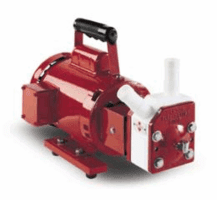
- Materials: Polyethylene, Polypropylene, Stainless Steel Components
- Applications: Spill Pallets, Containment Basins, Sumps, Spill Decks
- Compatibility: Water, Oils, Coolants, Chemical Spill Recovery
- Configurations: Manual, Pneumatic, and Electric Recovery Pumps
- Compliance: EPA Spill Containment and Industrial Fluid Handling Applications

Product Comparison Chart
Recovery Pump System Configurations
Recovery pumps used with spill containment equipment are engineered to remove liquids collected inside spill pallets, containment basins, work decks, and berm systems. Manual diaphragm pumps are commonly utilized for intermittent recovery applications where electrical or pneumatic power is unavailable. Pneumatic pumps operate using compressed air and are frequently selected for hazardous environments where spark-resistant equipment is required. Electric recovery pumps support higher flow rates and continuous-duty operations for facilities handling recurring liquid accumulation. Some systems utilize vacuum-assisted recovery designs that allow operators to extract liquids from low-profile containment areas and difficult-to-access sumps.
Material Engineering and Chemical Compatibility
Recovery pump construction materials directly influence chemical resistance and service life. Polypropylene pump housings provide resistance to acids, alkalis, and many industrial chemicals. Stainless steel shafts, fasteners, and internal wetted components improve structural durability and compatibility with petroleum products and solvents. Polyethylene suction tubes and hoses resist corrosion and are commonly used with water-based fluids and non-reactive chemicals. Seal materials such as Viton®, EPDM, and Buna-N are selected based on fluid compatibility requirements. Facilities handling chlorinated solvents or aggressive chemicals often require fluoropolymer-lined components or corrosion-resistant metallic alloys.
Secondary Containment Fluid Management
Spill containment systems accumulate rainwater, leaks, drips, and accidental discharges that must be removed while maintaining regulatory compliance. Recovery pumps provide controlled liquid transfer from containment sumps into approved storage containers for recycling, treatment, or disposal. Facilities commonly integrate pumps with spill pallets, IBC containment units, and outdoor drum storage systems to prevent overflow conditions. Hose assemblies and suction wands allow operators to recover fluids without manually tipping or draining containment systems. Some recovery setups include inline strainers and shutoff valves to prevent debris ingestion and accidental discharge during transfer operations.
Regulatory and Environmental Compliance
Recovery pump systems support compliance with EPA spill prevention regulations and facility stormwater management requirements. Secondary containment regulations under 40 CFR 264.175 require spill containment systems to maintain sufficient capacity for hazardous liquid storage areas. Removing accumulated liquids from containment basins helps preserve sump capacity and reduces overflow risk during spill events or rainfall exposure. Facilities managing hazardous materials may also require compliance with OSHA handling standards and DOT transportation requirements for recovered waste liquids. Pneumatic recovery systems are commonly selected in flammable environments to reduce ignition hazards associated with electrical equipment.
Industrial Applications and Selection Criteria
Recovery pumps are utilized across chemical processing, manufacturing, transportation, marine operations, automotive service centers, and hazardous material storage facilities. Selection criteria include fluid viscosity, chemical compatibility, suction lift requirements, discharge distance, operating environment, and required flow rate. Manual systems are commonly used for low-volume spill response and portable containment operations. Air-operated diaphragm pumps support corrosive fluids and hazardous environments where compressed air is available. Electric transfer pumps are selected for continuous-duty liquid removal and higher-volume containment management. Facilities operating outdoor spill containment systems often incorporate recovery pumps to remove stormwater while maintaining environmental compliance.
| Product | Pump Type | Compatible Fluids | Primary Application | Material Construction |
|---|---|---|---|---|
| Recovery Pumps for Spill Pallets | Manual Diaphragm | Water, Oils, Coolants | Small Spill Sumps | Polypropylene |
| Pneumatic Spill Recovery Pump | Air-Operated | Chemicals, Solvents | Industrial Spill Containment | Polypropylene / Stainless Steel |
| Electric Fluid Recovery Pump | Electric Transfer | Wastewater, Oils | Continuous Fluid Removal | Polyethylene / Stainless Steel |
| Containment Basin Recovery System | Vacuum-Assisted | Hazmat Liquids | Emergency Spill Response | Chemical-Resistant Polymer |
Recovery Pump System Configurations
Recovery pumps used with spill containment equipment are engineered to remove liquids collected inside spill pallets, containment basins, work decks, and berm systems. Manual diaphragm pumps are commonly utilized for intermittent recovery applications where electrical or pneumatic power is unavailable. Pneumatic pumps operate using compressed air and are frequently selected for hazardous environments where spark-resistant equipment is required. Electric recovery pumps support higher flow rates and continuous-duty operations for facilities handling recurring liquid accumulation. Some systems utilize vacuum-assisted recovery designs that allow operators to extract liquids from low-profile containment areas and difficult-to-access sumps.
Material Engineering and Chemical Compatibility
Recovery pump construction materials directly influence chemical resistance and service life. Polypropylene pump housings provide resistance to acids, alkalis, and many industrial chemicals. Stainless steel shafts, fasteners, and internal wetted components improve structural durability and compatibility with petroleum products and solvents. Polyethylene suction tubes and hoses resist corrosion and are commonly used with water-based fluids and non-reactive chemicals. Seal materials such as Viton®, EPDM, and Buna-N are selected based on fluid compatibility requirements. Facilities handling chlorinated solvents or aggressive chemicals often require fluoropolymer-lined components or corrosion-resistant metallic alloys.
Secondary Containment Fluid Management
Spill containment systems accumulate rainwater, leaks, drips, and accidental discharges that must be removed while maintaining regulatory compliance. Recovery pumps provide controlled liquid transfer from containment sumps into approved storage containers for recycling, treatment, or disposal. Facilities commonly integrate pumps with spill pallets, IBC containment units, and outdoor drum storage systems to prevent overflow conditions. Hose assemblies and suction wands allow operators to recover fluids without manually tipping or draining containment systems. Some recovery setups include inline strainers and shutoff valves to prevent debris ingestion and accidental discharge during transfer operations.
Regulatory and Environmental Compliance
Recovery pump systems support compliance with EPA spill prevention regulations and facility stormwater management requirements. Secondary containment regulations under 40 CFR 264.175 require spill containment systems to maintain sufficient capacity for hazardous liquid storage areas. Removing accumulated liquids from containment basins helps preserve sump capacity and reduces overflow risk during spill events or rainfall exposure. Facilities managing hazardous materials may also require compliance with OSHA handling standards and DOT transportation requirements for recovered waste liquids. Pneumatic recovery systems are commonly selected in flammable environments to reduce ignition hazards associated with electrical equipment.
Industrial Applications and Selection Criteria
Recovery pumps are utilized across chemical processing, manufacturing, transportation, marine operations, automotive service centers, and hazardous material storage facilities. Selection criteria include fluid viscosity, chemical compatibility, suction lift requirements, discharge distance, operating environment, and required flow rate. Manual systems are commonly used for low-volume spill response and portable containment operations. Air-operated diaphragm pumps support corrosive fluids and hazardous environments where compressed air is available. Electric transfer pumps are selected for continuous-duty liquid removal and higher-volume containment management. Facilities operating outdoor spill containment systems often incorporate recovery pumps to remove stormwater while maintaining environmental compliance.

