


DrumRight™ Drum Plug Wrench
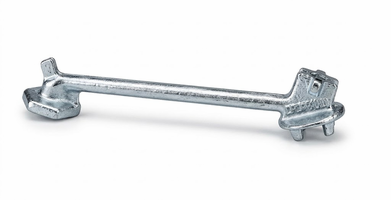
- Material Composition: Zinc-Plated Cast Iron, Aluminum, Bronze Alloy, Stainless Steel.
- Size Compatibility: Standard 2-inch and 3/4-inch Bung Plugs.
- Compliance/Ratings: OSHA Spark-Resistant Requirements; Food-Grade (Stainless).
- Tool Types: Offset Handle, Multi-Purpose, Torque-Limiting.

$39.96
$59.96
(You Save 33%)| Product Name | Material | Compatible Plug Sizes | Key Features |
|---|---|---|---|
| DrumRight™ Drum Plug Wrench | Zinc-Plated Cast Iron | 2" and 3/4" (including VGII) | Offset handle, rust-resistant finish |
| Non-Sparking Bung Wrench | Aluminum or Bronze Alloy | Universal 2" and 3/4" | Spark-resistant for flammable zones |
| Stainless Steel Bung Wrench | 304/316 Stainless Steel | Standard 2" and 3/4" | Corrosion-resistant, food-grade compliant |
| Multi-Purpose Drum Tool | Cast Steel or Bronze | Universal Fit | Functions as bung, ring, and faucet wrench |
Configuration Analysis Industrial drum wrenches are categorized by their head profile and handle geometry. The standard offset handle design is the most common, engineered to provide a 12-inch lever arm that elevates the operator's hand above the drum chime to prevent scrape injuries. Multi-purpose configurations incorporate additional notches and protrusions to operate not only bung plugs but also drum ring bolts and faucets. Specialized socket-style wrenches are utilized with impact drivers or manual torque wrenches when precise sealing pressure is required to meet UN packaging specifications.
Material Engineering The material selection for bung wrenches is dictated by the chemical environment and safety requirements. Zinc-plated cast iron offers high tensile strength and economy for standard warehouse applications where sparking is not a primary risk. For environments containing volatile vapors, non-ferrous alloys such as aluminum or manganese bronze are used to suppress mechanical spark formation during impact or friction. Stainless steel 304 and 316 variants provide the highest level of chemical resistance and are non-reactive, making them mandatory in cleanroom and food-grade applications where carbon steel oxidation could contaminate the product.
Regulatory Standards Bung wrenches play a critical role in maintaining compliance with Department of Transportation (DOT) and OSHA standards. OSHA regulation 1910.242(b) and various NFPA guidelines mandate the use of spark-resistant tools in locations where flammable vapors, liquids, or dust are present. Furthermore, to maintain the integrity of a UN-rated container (e.g., 1A1 or 1A2), bungs must be tightened to specific foot-pound torque ratings defined by the manufacturer. Failure to utilize the correct tool for sealing can void the container's UN certification, leading to regulatory fines during the transport of hazardous materials.
Industrial Applications In chemical manufacturing, these tools are essential for the safe extraction of solvents and acids from tight-head drums. The agricultural sector utilizes them for dispensing pesticides and fertilizers from 30-gallon and 55-gallon plastic drums. In food processing, stainless steel wrenches are used to open drums of oils, syrups, and flavor concentrates while adhering to FDA sanitation protocols. Additionally, waste management facilities rely on multi-purpose wrenches to secure open-head drum rings before the transport of industrial waste.
Selection Criteria Technical buyers must evaluate three primary factors: plug compatibility, material safety, and torque requirements. While most wrenches are universal, specific plastic plugs like the 3/4" VGII require specialized wrench profiles to prevent stripping the HDPE material. Environmental assessment determines if a spark-resistant tool is required based on the flash point of the drum contents. Finally, if the application involves hazardous material shipping, tools must be compatible with torque-measuring devices to ensure bungs reach the precise tightness required for leak-proof transit.

