


Universal Industrial Drum Wrenches & Non-Sparking Tools
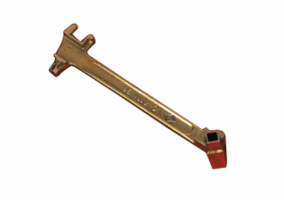
- Material Composition: Aluminum-Bronze Alloy, Manganese-Bronze, Cast Iron.
- Compatibility: Fits 2" and 3/4" Drum Plugs (Bungs).
- Compliance/Ratings: ASTM and OSHA Non-Sparking Standards.
- Design Types: Universal, Offset, and Cross-Bar Wrenches.

| Product Name | Material | Plug Size Compatibility | Safety Rating |
|---|---|---|---|
| Universal Non-Sparking Drum Plug Wrench | Universal Beryllium-copper Non-Sparking Drum Plug Wrench | 2" and 3/4" Plugs | Non-Sparking / Non-Magnetic |
Configuration Analysis and Tool Geometry Industrial drum wrenches are configured to interface with various bung patterns found on tight-head drums. The universal configuration features a multi-head design that incorporates lugs and sockets compatible with most major manufacturer bung styles, including hex, square, and cross-pattern plugs. Specialized offset wrenches provide additional leverage and clearance for hands, reducing the risk of contact with the drum rim. The cross-bar or "T-handle" design allows for two-handed operation, ensuring even distribution of torque when seating gaskets on high-capacity chemical containers.
Material Engineering and Metallurgy The selection of materials for drum wrenches is dictated by the environment in which the drums are stored. Carbon steel wrenches provide maximum durability and torque for non-hazardous materials. However, in environments involving flammable liquids or combustible dust, non-sparking alloys are required. Aluminum-bronze and manganese-bronze alloys are engineered to be softer than steel; if the tool is dropped or struck against a drum, the material deforms rather than producing a high-temperature spark. Furthermore, these alloys are often non-magnetic and corrosion-resistant, making them suitable for use in sensitive laboratory and marine environments.
Regulatory Standards and OSHA Compliance The use of specialized drum wrenches is governed by OSHA 1910.106, which mandates the use of non-sparking tools in areas where flammable vapors are present. For hazardous material transport, the DOT requires that drum closures be tightened to specific torque specifications to maintain the integrity of UN-rated packaging. Using an improper tool can deform the bung or damage the gasket, leading to a failure of the container's pressure rating. Proper tool selection ensures that the drum maintains its seal during the internal pressure variations caused by temperature fluctuations during shipping.
Industrial Applications and Sector Use In the chemical and petrochemical sectors, drum wrenches are essential for the safe transfer of solvents, fuels, and volatile reagents. The food and beverage industry utilizes stainless steel or high-strength alloy wrenches to maintain sanitary conditions during the extraction of concentrates and oils. In agricultural settings, these tools are used to manage bulk fertilizers and pesticides. Each application requires a tool that can withstand repeated high-torque cycles while resisting the corrosive effects of the chemicals being handled.
Selection Criteria for Industrial Closures When selecting a drum wrench, technical buyers must evaluate the compatibility between the tool material and the drum's contents. For example, while aluminum-bronze is non-sparking, it may react with certain highly corrosive acids if direct contact occurs. Buyers should also verify the "fitment" of the wrench against the specific bung types in their inventory, as some plastic drums utilize proprietary bung designs that require specialized sockets. Consideration of the handle length is also necessary, as longer handles provide the mechanical advantage required to reach the high foot-pound torque settings specified by manufacturers for hazardous waste transit.

