


Spark Resistant Drum Plug Wrench Tightens Faucets, Too
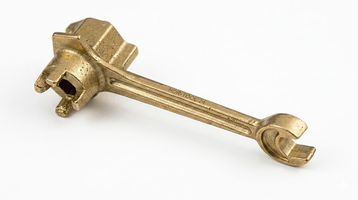
- Material: Non-Sparking Brass Alloy.
- Compatibility: Fits standard 2" and 3/4" drum bungs and faucets.
- Safety Rating: Spark-resistant for hazardous and flammable environments.
- Functionality: Dual-purpose design for tightening plugs and faucets.

$99.96
$115.96
(You Save 14%)| Product Name | Material Composition | Primary Application |
|---|---|---|
| Spark Resistant Drum Plug Wrench | Brass Alloy | Tightening/Loosening Bungs & Faucets |
Technical Tool Geometry and Design Industrial drum wrenches are configured to interface with various bung patterns, including hexagonal, square, and bar-style closures. The dual-purpose design of these tools incorporates specific recesses that allow the operator to apply torque to both the large 2" (50mm) bung and the smaller 3/4" (19mm) bung found on standard industrial barrels. Furthermore, specialized offsets in the handle design allow for clearance around the drum rim, preventing hand injuries and ensuring a flush seat on the plug. Some variations include a secondary set of notches specifically for the installation and removal of drum faucets, consolidating multiple maintenance tasks into a single hardware component.
Metallurgical Properties of Brass Alloys The use of brass alloy in drum wrench manufacturing is a deliberate engineering choice based on the material's non-ferrous properties. Unlike carbon steel tools, brass does not produce sparks when struck against other metallic surfaces, a phenomenon known as cold-sparking. This is critical in "Zone 0" or "Zone 1" explosive atmospheres where a single friction-generated spark could ignite concentrated vapors. While brass is softer than steel, the specific alloys used in industrial wrenches are heat-treated to maintain structural integrity under high torque loads, ensuring the tool does not deform during the sealing of overtightened or corroded bungs.
Compliance and Safety Protocols The utilization of non-sparking tools is mandated by various safety frameworks, including OSHA (Occupational Safety and Health Administration) and NFPA (National Fire Protection Association) standards. Specifically, NFPA 30 (Flammable and Combustible Liquids Code) requires the use of non-sparking equipment in areas where flammable vapors are present. These tools are often tested against FM (Factory Mutual) or ASTM standards to verify their non-sparking characteristics. Using standardized brass wrenches ensures that facility managers remain in compliance with hazardous material handling regulations and reduces the risk of catastrophic ignition during routine container maintenance.
Sector-Specific Deployment Spark resistant tools are essential across several high-risk sectors. In the petrochemical industry, they are used for the sampling and transfer of crude oil and refined fuels. Chemical manufacturing plants utilize these wrenches for handling solvents, alcohols, and ethers which possess low flash points. In the agricultural sector, they are employed for opening drums of volatile pesticides and fertilizers. Additionally, the waste management industry relies on brass alloy tools when processing unknown or hazardous chemical waste streams where the presence of explosive gases must be assumed as a baseline safety precaution.
Technical Factors for Procurement When selecting a drum plug wrench, the primary technical consideration is chemical compatibility and environmental exposure. While brass is spark-resistant, it may react with certain corrosive chemicals such as ammonia or specific acids; in such cases, alternative non-sparking materials like aluminum-bronze may be required. Buyers must also evaluate the "universal" nature of the wrench head to ensure it fits the specific bung patterns of their drum inventory, as plastic drums and steel drums occasionally utilize different plug geometries. Finally, the handle length must be sufficient to provide adequate mechanical advantage, typically ranging from 10 to 12 inches, to ensure plugs are tightened to manufacturer-recommended torque specifications.
These tools provide the necessary leverage for achieving airtight seals while ensuring compliance with chemical processing and fuel handling facilities.

