


IBC Containment Systems & Spill Pallets
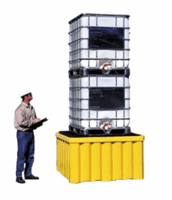
- Materials: Polyethylene, Carbon Steel, All-Poly Construction, Powder-Coated Steel
- Capacities: IBC Tote Containment for 275-Gallon and 330-Gallon Containers
- Compliance: EPA 40 CFR 264.175, SPCC, OSHA Spill Containment Requirements
- Configurations: Dispensing Stations, Spill Pallets, Secondary Containment Basins, Low-Profile Systems
- Features: Forklift Access, Integrated Sumps, Drain Options, Chemical-Resistant Construction

Product Comparison
IBC Spill Containment Configurations
IBC containment systems are manufactured in several structural configurations based on dispensing requirements, chemical compatibility, and facility layout constraints. One-piece molded spill pallets utilize seamless polyethylene construction to reduce leak points and improve long-term durability in corrosive environments. Dispensing stations incorporate elevated platforms and integrated sump reservoirs to capture spills generated during valve operation or product transfer procedures. Low-profile containment systems are commonly used in facilities requiring manual tote handling or frequent loading and unloading operations. Compact footprint models maximize floor space efficiency while maintaining secondary containment volume requirements. Steel containment systems are utilized in applications involving combustible liquids, high static loads, or harsh industrial environments where structural rigidity is required.
Material Engineering and Structural Design
Polyethylene IBC containment systems are rotationally molded from linear low-density polyethylene (LLDPE) or high-density polyethylene (HDPE). These materials provide resistance to acids, caustics, oils, and industrial chemicals while preventing corrosion in outdoor or washdown environments. UV-stabilized formulations reduce degradation caused by direct sunlight exposure in outdoor storage applications.
Steel IBC containment units are fabricated from carbon steel plate with reinforced structural framing to support heavy static loads associated with filled IBC totes. Powder-coated and galvanized finishes reduce oxidation and surface corrosion. Some steel systems include removable grating platforms that allow liquid drainage into containment sumps while supporting tote weight distribution evenly across the structure.
Forklift pockets and pallet jack access points are integrated into many containment systems to simplify positioning and transport. Load capacities vary depending on sump size, wall thickness, reinforcement structure, and intended application environment.
Regulatory Standards and Spill Compliance
IBC spill containment systems are designed to assist facilities in complying with EPA, OSHA, and SPCC spill control regulations. EPA 40 CFR 264.175 establishes secondary containment requirements for hazardous material storage areas, including sump capacity specifications based on stored container volume.
Secondary containment systems for IBC totes are typically engineered to contain at least 10% of the total stored liquid volume or 100% of the largest individual container volume, depending on the application and local regulatory requirements. Facilities storing hazardous chemicals, petroleum products, solvents, or corrosive liquids commonly use containment pallets and basins to reduce environmental release risks.
Steel containment systems may also be selected for grounding and bonding applications where flammable liquid transfer operations are performed. Drain plugs, removable grates, and weather covers may be incorporated depending on indoor or outdoor installation requirements.
Industrial Applications for IBC Containment Systems
IBC containment systems are utilized across chemical processing, agriculture, food manufacturing, pharmaceutical, wastewater treatment, and industrial maintenance operations. Chemical facilities use polyethylene spill pallets for acids, detergents, and corrosive liquids due to their resistance to chemical attack. Petroleum and lubricant operations often utilize steel containment structures for heavier load support and compatibility with combustible liquid storage environments. Food and beverage processing facilities use containment systems beneath liquid ingredients, flavorings, syrups, and sanitation chemicals to manage spills during dispensing and transfer procedures. Agricultural operations commonly store liquid fertilizers, herbicides, and pesticides in IBC totes positioned on secondary containment platforms.
Water treatment and industrial maintenance facilities frequently integrate dispensing stations with pumps and transfer systems to support controlled fluid handling operations while maintaining spill control compliance.
IBC Containment Selection Criteria
Selection of an IBC containment system depends on chemical compatibility, tote size, sump capacity requirements, loading method, and environmental exposure conditions. Polyethylene containment units are commonly selected for corrosive chemicals and outdoor environments where rust prevention is required. Steel systems are often specified for higher structural load demands or flammable liquid storage applications.
Facilities should evaluate sump capacity, deck dimensions, forklift accessibility, drain configurations, and regulatory requirements before selecting a containment platform. Dispensing operations may require elevated access, integrated transfer zones, or removable grating systems to simplify maintenance and liquid recovery procedures. Environmental exposure, UV resistance, floor loading limitations, and cleaning requirements should also be considered when selecting containment systems for long-term industrial use.
| Product | Material | IBC Capacity | Configuration | Key Feature |
|---|---|---|---|---|
| IBC Containment & Dispensing Station | Polyethylene | 275-330 Gallon | Dispensing Station | Integrated dispensing area |
| 2000i One-Piece IBC Spill Pallet | Polyethylene | 275-330 Gallon | One-Piece Spill Pallet | Seamless molded construction |
| All-Poly Containment Basin for IBC's | Polyethylene | 275-330 Gallon | Containment Basin | Chemical-resistant sump |
| Ultra IBC SpillPallet Plus | Polyethylene | 275-330 Gallon | Spill Pallet | Integrated sump containment |
| All-Steel IBC Containment Systems | Carbon Steel | 275-330 Gallon | Steel Containment Platform | Heavy-duty structural support |
| All Poly IBC Spill Pallet has a Big Deck, Small Footprint | Polyethylene | 275-330 Gallon | Compact Spill Pallet | Space-saving footprint |
| Low Cost IBC Spill Protection | Polyethylene | 275-330 Gallon | Economy Spill Containment | Reduced-profile design |
IBC Spill Containment Configurations
IBC containment systems are manufactured in several structural configurations based on dispensing requirements, chemical compatibility, and facility layout constraints. One-piece molded spill pallets utilize seamless polyethylene construction to reduce leak points and improve long-term durability in corrosive environments. Dispensing stations incorporate elevated platforms and integrated sump reservoirs to capture spills generated during valve operation or product transfer procedures. Low-profile containment systems are commonly used in facilities requiring manual tote handling or frequent loading and unloading operations. Compact footprint models maximize floor space efficiency while maintaining secondary containment volume requirements. Steel containment systems are utilized in applications involving combustible liquids, high static loads, or harsh industrial environments where structural rigidity is required.
Material Engineering and Structural Design
Polyethylene IBC containment systems are rotationally molded from linear low-density polyethylene (LLDPE) or high-density polyethylene (HDPE). These materials provide resistance to acids, caustics, oils, and industrial chemicals while preventing corrosion in outdoor or washdown environments. UV-stabilized formulations reduce degradation caused by direct sunlight exposure in outdoor storage applications.
Steel IBC containment units are fabricated from carbon steel plate with reinforced structural framing to support heavy static loads associated with filled IBC totes. Powder-coated and galvanized finishes reduce oxidation and surface corrosion. Some steel systems include removable grating platforms that allow liquid drainage into containment sumps while supporting tote weight distribution evenly across the structure.
Forklift pockets and pallet jack access points are integrated into many containment systems to simplify positioning and transport. Load capacities vary depending on sump size, wall thickness, reinforcement structure, and intended application environment.
Regulatory Standards and Spill Compliance
IBC spill containment systems are designed to assist facilities in complying with EPA, OSHA, and SPCC spill control regulations. EPA 40 CFR 264.175 establishes secondary containment requirements for hazardous material storage areas, including sump capacity specifications based on stored container volume.
Secondary containment systems for IBC totes are typically engineered to contain at least 10% of the total stored liquid volume or 100% of the largest individual container volume, depending on the application and local regulatory requirements. Facilities storing hazardous chemicals, petroleum products, solvents, or corrosive liquids commonly use containment pallets and basins to reduce environmental release risks.
Steel containment systems may also be selected for grounding and bonding applications where flammable liquid transfer operations are performed. Drain plugs, removable grates, and weather covers may be incorporated depending on indoor or outdoor installation requirements.
Industrial Applications for IBC Containment Systems
IBC containment systems are utilized across chemical processing, agriculture, food manufacturing, pharmaceutical, wastewater treatment, and industrial maintenance operations. Chemical facilities use polyethylene spill pallets for acids, detergents, and corrosive liquids due to their resistance to chemical attack. Petroleum and lubricant operations often utilize steel containment structures for heavier load support and compatibility with combustible liquid storage environments. Food and beverage processing facilities use containment systems beneath liquid ingredients, flavorings, syrups, and sanitation chemicals to manage spills during dispensing and transfer procedures. Agricultural operations commonly store liquid fertilizers, herbicides, and pesticides in IBC totes positioned on secondary containment platforms.
Water treatment and industrial maintenance facilities frequently integrate dispensing stations with pumps and transfer systems to support controlled fluid handling operations while maintaining spill control compliance.
IBC Containment Selection Criteria
Selection of an IBC containment system depends on chemical compatibility, tote size, sump capacity requirements, loading method, and environmental exposure conditions. Polyethylene containment units are commonly selected for corrosive chemicals and outdoor environments where rust prevention is required. Steel systems are often specified for higher structural load demands or flammable liquid storage applications.
Facilities should evaluate sump capacity, deck dimensions, forklift accessibility, drain configurations, and regulatory requirements before selecting a containment platform. Dispensing operations may require elevated access, integrated transfer zones, or removable grating systems to simplify maintenance and liquid recovery procedures. Environmental exposure, UV resistance, floor loading limitations, and cleaning requirements should also be considered when selecting containment systems for long-term industrial use.

