


Wypall X60 & X70 Industrial Wipers
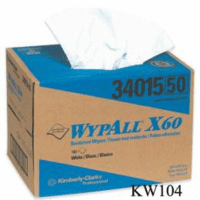
- Materials: Hydroknit-style nonwoven wiping material for industrial cleaning and absorbency.
- Case Counts: Wypall X60 180-count case and Wypall X70 152-count case.
- Use Type: Disposable industrial wipers for maintenance, production, spill cleanup, and surface wiping.
- Wiper Grades: X60 medium-duty and X70 heavy-duty wiping configurations.
- Closure/Packaging Type: Case-packed disposable wipers for storage, dispensing, and jobsite use.

Product Comparison Chart
| Product | Wiper Grade | Case Count | Primary Use | Duty Level |
|---|---|---|---|---|
| Wypall X60 Industrial Wipers | X60 | 180 Count Case | General industrial wiping, surface cleaning, light oil, and liquid cleanup | Medium-Duty |
| Wypall X70 Industrial Wipers | X70 | 152 Count Case | Oil, grease, solvent wiping, tool cleaning, and maintenance cleanup | Heavy-Duty |
X60 Medium-Duty Wiper Configuration
Wypall X60 industrial wipers are designed for routine wiping tasks where a disposable wipe must handle liquids, dirt, light oil, and surface residue. The X60 grade is commonly used in maintenance areas, production lines, service departments, and cleaning stations where paper towels may break down too quickly. The 180-count case format supports repeated use in work areas where employees need fast access to single-use wipes for parts cleaning, bench cleanup, hand-tool wiping, and equipment surface maintenance.
X70 Heavy-Duty Wiper Configuration
Wypall X70 industrial wipers are built for heavier wiping tasks involving grease, oil, solvents, coolants, and heavier shop soils. The X70 grade provides more wiping strength than medium-duty disposable wipes and is used where cloth rags may be too inconsistent or where laundering is not practical. The 152-count case provides a controlled disposable wiping option for machine shops, automotive service areas, industrial maintenance crews, and facilities that handle repeated cleanup of fluids and residue. Material Engineering
Nonwoven Wiper Construction
Industrial wipers in the X60 and X70 categories are typically made from nonwoven material engineered for absorbency, wet strength, and low-lint wiping performance. Nonwoven construction helps the wiper hold together during use with water, light solvents, oils, and maintenance fluids. Unlike standard paper towels, industrial wipers are designed to resist tearing during scrubbing, folding, and repeated passes over rough surfaces. The material structure also supports controlled absorbency without requiring traditional woven cloth.
Absorbency and Surface Contact
The wiping material is intended to collect liquid and particulate matter while maintaining surface contact during use. X60 wipers are suited for lighter fluid pickup and general wiping, while X70 wipers are selected when the wiping task requires more strength under pressure. Buyers should consider the type of liquid being removed, the roughness of the surface, and whether the wipe will be used dry, dampened, or with compatible cleaning chemicals. Regulatory and Workplace Use Standards
Industrial Housekeeping Support
Disposable industrial wipers support workplace housekeeping practices by helping remove oils, grease, dust, and liquid residue from benches, tools, machinery, and floors. While these wipers are not containment products or personal protective equipment, they are commonly used as part of spill response, maintenance cleaning, and production-area housekeeping programs. Facilities should follow internal disposal procedures for wipes contaminated with oils, solvents, chemicals, or regulated waste materials.
Disposal and Chemical Handling Considerations
Used wipers may require specific disposal handling depending on the substance absorbed. Wipes used with nonhazardous water-based liquids may follow normal waste procedures, while wipes exposed to solvents, oils, paints, or chemical residues may fall under facility hazardous waste, oily waste, or solvent waste rules. Buyers should review the safety data sheet for the material being wiped and follow applicable OSHA, EPA, DOT, and local disposal requirements. Industrial Applications
Manufacturing and Maintenance Applications
Wypall X60 and X70 industrial wipers are used in machine maintenance, equipment cleaning, tool wiping, assembly stations, packaging areas, and repair departments. X60 wipers fit general wiping needs such as cleaning surfaces, removing dust, and absorbing small liquid amounts. X70 wipers are used for heavier tasks such as wiping grease from parts, cleaning machinery, removing cutting fluids, and handling oil-based maintenance cleanup.
Automotive, Metalworking, and Facility Cleaning
Automotive shops use industrial wipers for oil changes, parts cleaning, detailing prep, and service bay cleanup. Metalworking operations use them for coolant wiping, chip removal support, tool cleaning, and bench maintenance. Facility crews use them for routine janitorial maintenance where stronger disposable wiping material is needed. The case-packed format helps standardize wipe supply across departments and reduces dependence on mixed reclaimed rags. Selection Criteria
Choosing Between X60 and X70
Select Wypall X60 wipers when the primary tasks involve general-purpose cleaning, light oil, water-based spills, and everyday maintenance wiping. Select Wypall X70 wipers when the work involves heavier oils, grease, solvents, rougher surfaces, or more demanding wiping pressure. Case count should also be considered: the X60 case includes 180 wipes, while the X70 case includes 152 wipes due to the heavier-duty wiper construction.
Operational Buying Factors
Buyers should review wiping strength, absorbency demand, chemical exposure, lint sensitivity, waste handling rules, and storage location before selecting a wiper grade. For production areas with frequent small cleanups, a higher-count medium-duty case may reduce restocking frequency. For maintenance areas with heavier soils, a stronger wiper may reduce total wipe usage per task. Facilities using solvents or oils should confirm disposal requirements before placing used wipers into general waste containers.

