


Mobile Two-Step Stepstool | Industrial Access Platform
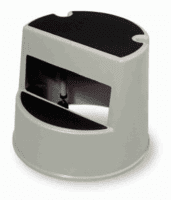
- Materials: Steel frame with formed step surfaces.
- Step Range: Mobile two-step access configuration.
- Use Type: Portable workplace stepstool for elevated reach tasks.
- Mobility: Mobile base design for repositioning between work areas.
- Access Style: Open two-step platform without enclosed ladder rails.

$149.95
Product Comparison Chart
| Product | Step Configuration | Mobility | Primary Use | Access Type |
|---|---|---|---|---|
| Mobile Two-Step Stepstool | Two-step platform | Mobile stepstool design | Short-height workplace access | Open portable step access |
Configuration Analysis
Mobile two-step stepstools are designed for low-level access tasks where users need more height than a standard floor position but do not require a ladder, rolling ladder, or elevated work platform. The two-step layout provides a short climbing path with a compact footprint, making it suitable for stockrooms, warehouses, production areas, offices, laboratories, and maintenance departments. Unlike taller ladder systems, a two-step stepstool is intended for brief access tasks such as retrieving supplies, checking equipment, reaching upper shelves, or working near bench-height fixtures. The open-access design allows quick entry and exit from multiple sides, but buyers should account for balance, surface conditions, and workplace rules when assigning use.
Material Engineering
Industrial mobile stepstools are commonly built with a steel frame to provide structural support during repeated use. Steel construction is used where impact resistance, frame rigidity, and long service life are required in commercial environments. The step surfaces are typically formed or treated to improve footing compared with smooth flat material. For workplace use, step geometry is important because tread depth, step spacing, and platform width affect user stability during climbing and descending. Coated or painted steel surfaces may help resist routine wear, but selection should also consider indoor exposure, moisture, cleaning chemicals, and floor contact conditions.
Mobility and Floor Interface
The mobile function allows the stepstool to be repositioned between storage racks, packing stations, work cells, and service areas. Mobility is useful in facilities where fixed access equipment would limit workflow or obstruct aisles. When choosing a mobile stepstool, floor conditions should be reviewed. Smooth concrete, sealed warehouse floors, and level indoor surfaces are more suitable than uneven, oily, sloped, or debris-covered areas. Buyers should also confirm whether the stepstool is intended to remain stationary during use and how the base contacts the floor when weight is applied. Proper placement helps reduce movement during climbing.
Regulatory and Workplace Safety Considerations
Stepstools used in industrial workplaces should be evaluated under general walking-working surface practices and internal safety policies. OSHA rules for walking-working surfaces focus on fall hazards, stable access, proper use, and maintaining surfaces free from hazards. A two-step mobile stepstool is not a substitute for a ladder or elevated work platform when the job requires extended reach, side loading, tool work at height, or overhead force. Facilities should review load capacity, intended user behavior, housekeeping practices, and training requirements before placing stepstools in active work zones.
Industrial Applications
Mobile two-step stepstools are used in warehouses for shelf access, order picking support, inventory checks, and packaging-area tasks. In maintenance departments, they can assist with reaching panels, gauges, small parts bins, and low equipment access points. In manufacturing areas, they may support inspection, light assembly support, and material staging where short-height access is required. Commercial offices, schools, laboratories, janitorial rooms, and retail backrooms also use two-step access stools for supply retrieval and routine facility work. Their compact size makes them useful where storage space and aisle clearance are limited.
Selection Criteria
Buyers should evaluate the stepstool by load rating, step height, tread size, frame material, mobility method, and floor compatibility. The unit should match the task height without encouraging overreach. Users should be able to keep both feet positioned securely while accessing the work area. For facilities with wet floors, oils, powders, or cleaning chemicals, tread surface and housekeeping conditions become more important. The stepstool should also fit the aisle width and storage location without creating obstruction hazards. For heavier industrial use, confirm construction details and replacement policy before purchase.

