


Rubbermaid Mobile Recycling Cube Truck
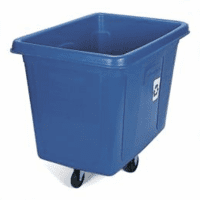
- Material Composition: Commercial-grade structural foam/poly construction.
- Capacity Range: 16 cubic foot mobile collection container.
- Compliance/Ratings: Recycling and material handling use in commercial facilities.
- Mobility: Cube truck design with integrated casters for transport.
- Color/Identification: Blue container body for recycling stream visibility.

$712.98
$790.95
(You Save 10%)Product Comparison Chart
| Product | Capacity | Color | Container Type | Primary Use |
|---|---|---|---|---|
| Rubbermaid Mobile Collection Recycling Container Cube Truck | 16 cu ft | Blue | Mobile cube truck | Commercial recycling collection and transport |
Configuration Analysis
Rubbermaid Mobile Collection Recycling Containers use a cube truck configuration rather than a round trash can or stationary bin layout. The rectangular body allows bulk recyclable material to be collected, moved, and emptied with fewer trips than smaller containers. A 16 cubic foot capacity supports medium-volume recycling collection in offices, warehouses, schools, healthcare facilities, commercial buildings, and production areas. The mobile truck format is suited for collection routes where staff move between workstations, breakrooms, copy areas, shipping departments, or public collection zones.
Material Engineering
The container body is typically based on molded commercial-grade plastic construction designed for impact resistance, moisture resistance, and routine cleaning. Unlike metal carts, plastic cube trucks do not rust when exposed to damp recyclables, wet packaging, or cleaning solutions. The molded body also reduces seams where debris can collect. This type of construction is useful in facilities where containers are moved through hallways, dock areas, and service corridors. The blue color is commonly used to signal recycling use and helps separate recyclable material from landfill waste streams.
Mobility and Handling Design
Mobile recycling cube trucks are built around transport efficiency. Integrated casters allow the container to be pushed through facility aisles and service areas without requiring forklifts or pallet jacks. The cube truck footprint provides more collection volume than a standard utility cart while maintaining maneuverability for indoor routes. This design is used where workers need to consolidate material from multiple smaller recycling stations into one larger mobile container. The container can also be positioned near work cells, packing stations, receiving areas, or temporary cleanup zones.
Regulatory and Facility Standards
Recycling containers support internal waste separation procedures, sustainability programs, and facility housekeeping requirements. While these containers are not listed as hazardous material shipping containers, they can help facilities organize non-hazardous recyclable materials and reduce cross-contamination between waste streams. Buyers should match container use with local recycling rules, building procedures, and internal waste handling policies. Facilities that collect food-contact recyclables or wet waste should also consider cleaning frequency, liner use, and collection route design.
Industrial and Commercial Applications
Rubbermaid Mobile Collection Recycling Containers are used in commercial offices, schools, universities, warehouses, manufacturing plants, retail backrooms, hospitals, and municipal facilities. Common materials include corrugated cardboard, paper, plastic bottles, aluminum cans, shrink wrap, packaging waste, and light production scrap. In warehouses, the 16 cubic foot cube truck can be used near packing tables or shipping docks. In offices and institutions, it can collect material from distributed desk-side bins or central recycling stations.
Selection Criteria
Buyers should consider capacity, floor space, doorway clearance, caster requirements, expected load weight, and material type. A 16 cubic foot container is suitable where collection volume exceeds standard trash can capacity but does not require a larger tilt truck. Blue coloring is appropriate when the container is assigned to recycling programs. For facilities handling wet materials, plastic construction and cleanable interior surfaces should be prioritized. For heavy or abrasive scrap, buyers should confirm load limits, caster durability, and whether the container will be used on smooth floors, ramps, docks, or rough surface

