


Box of Rags | Industrial Cleaning & Absorbent Cloths
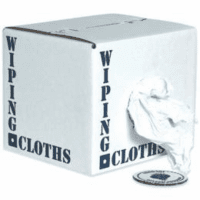
- Material Composition: New White Knit Cotton Blend and Reclaimed White Knit Fabric
- Package Type: Bulk Boxed Industrial Cleaning Rags
- Applications: Oil Cleanup, Equipment Wiping, Surface Preparation, Maintenance Cleaning
- Fabric Types: Soft Knit Cloths for Absorption and Reusable Cleaning Tasks
- Industries: Manufacturing, Automotive, Maintenance, Janitorial, Industrial Facilities

Product Comparison Chart
Configuration and Rag Classification Industrial cleaning rags are commonly categorized by fabric composition, color grading, and recycled or new material content. New white knit rags are manufactured from unused textile materials and provide a cleaner, lower-lint wiping surface for precision cleaning and finishing operations. Reclaimed white knit rags are processed from recycled cotton-based garments and textile materials, offering an economical solution for general-purpose wiping and absorbent cleanup tasks. Knit fabrics are preferred for maintenance applications because the stretchable weave improves surface contact and fluid absorption compared to woven cloth alternatives.
Material Engineering and Absorbency Properties Knit cloth rags are typically produced from cotton or cotton-blend textile materials due to their absorbent structure and durability under repeated wiping conditions. Cotton fibers effectively absorb oils, water-based liquids, lubricants, and solvents encountered during industrial maintenance procedures. New white knit materials generally contain fewer contaminants and reduced lint generation, making them suitable for paint preparation, polishing, and equipment cleaning. Reclaimed knit materials may contain mixed fabric compositions and are commonly used for spill response, grease removal, and heavy-duty maintenance cleaning where appearance is less critical.
Industrial Applications and Facility Use Boxed wiping rags are used across multiple industrial sectors for equipment cleaning, fluid absorption, and maintenance support. Manufacturing facilities use knit rags to remove machining oils, grease, and production residue from equipment surfaces. Automotive service centers utilize absorbent cloths for detailing, fluid cleanup, and tool maintenance. Janitorial departments apply reusable rags for floor cleaning, disinfecting, and surface preparation. Warehouses and shipping operations use cloth rags to clean forklifts, containers, and industrial workstations. Compared to disposable paper towels, reusable cloth materials provide increased durability during repetitive cleaning tasks involving solvents or abrasive contaminants.
Selection Criteria for Industrial Cleaning Rags Selecting industrial wiping cloths depends on absorbency requirements, lint tolerance, chemical exposure, and intended reuse cycles. New white knit rags are commonly selected for low-lint applications and operations requiring a cleaner wiping surface. Reclaimed white knit rags are often chosen for heavy grease cleanup and high-volume industrial maintenance operations. Buyers should evaluate compatibility with cleaning chemicals, expected contamination levels, and disposal requirements when selecting wiping materials. Facilities handling oils, paints, or hazardous residues should also consider local disposal regulations governing contaminated textile materials.
Operational Advantages Over Disposable Paper Towels Reusable cloth rags provide greater durability and liquid retention capacity compared to standard paper towels during industrial maintenance operations. Knit cloth materials resist tearing under heavy wiping pressure and can absorb larger volumes of oils and fluids before replacement is necessary. Boxed rag systems also reduce the frequency of replacement associated with disposable paper products in high-use maintenance areas. Industrial cloth rags are commonly integrated into preventative maintenance programs, spill response stations, and equipment servicing operations where repeated wiping cycles are required.
| Product | Material Type | Condition | Primary Use | Lint Level | Reusable |
|---|---|---|---|---|---|
| Box of Rags New White Knit | White Knit Cotton Blend | New Material | Precision Cleaning and General Maintenance | Low | Yes |
| Box of Rags Reclaimed White Knit | Recycled White Knit Fabric | Reclaimed Material | Grease Cleanup and Industrial Wiping | Moderate | Yes |
Configuration and Rag Classification Industrial cleaning rags are commonly categorized by fabric composition, color grading, and recycled or new material content. New white knit rags are manufactured from unused textile materials and provide a cleaner, lower-lint wiping surface for precision cleaning and finishing operations. Reclaimed white knit rags are processed from recycled cotton-based garments and textile materials, offering an economical solution for general-purpose wiping and absorbent cleanup tasks. Knit fabrics are preferred for maintenance applications because the stretchable weave improves surface contact and fluid absorption compared to woven cloth alternatives.
Material Engineering and Absorbency Properties Knit cloth rags are typically produced from cotton or cotton-blend textile materials due to their absorbent structure and durability under repeated wiping conditions. Cotton fibers effectively absorb oils, water-based liquids, lubricants, and solvents encountered during industrial maintenance procedures. New white knit materials generally contain fewer contaminants and reduced lint generation, making them suitable for paint preparation, polishing, and equipment cleaning. Reclaimed knit materials may contain mixed fabric compositions and are commonly used for spill response, grease removal, and heavy-duty maintenance cleaning where appearance is less critical.
Industrial Applications and Facility Use Boxed wiping rags are used across multiple industrial sectors for equipment cleaning, fluid absorption, and maintenance support. Manufacturing facilities use knit rags to remove machining oils, grease, and production residue from equipment surfaces. Automotive service centers utilize absorbent cloths for detailing, fluid cleanup, and tool maintenance. Janitorial departments apply reusable rags for floor cleaning, disinfecting, and surface preparation. Warehouses and shipping operations use cloth rags to clean forklifts, containers, and industrial workstations. Compared to disposable paper towels, reusable cloth materials provide increased durability during repetitive cleaning tasks involving solvents or abrasive contaminants.
Selection Criteria for Industrial Cleaning Rags Selecting industrial wiping cloths depends on absorbency requirements, lint tolerance, chemical exposure, and intended reuse cycles. New white knit rags are commonly selected for low-lint applications and operations requiring a cleaner wiping surface. Reclaimed white knit rags are often chosen for heavy grease cleanup and high-volume industrial maintenance operations. Buyers should evaluate compatibility with cleaning chemicals, expected contamination levels, and disposal requirements when selecting wiping materials. Facilities handling oils, paints, or hazardous residues should also consider local disposal regulations governing contaminated textile materials.
Operational Advantages Over Disposable Paper Towels Reusable cloth rags provide greater durability and liquid retention capacity compared to standard paper towels during industrial maintenance operations. Knit cloth materials resist tearing under heavy wiping pressure and can absorb larger volumes of oils and fluids before replacement is necessary. Boxed rag systems also reduce the frequency of replacement associated with disposable paper products in high-use maintenance areas. Industrial cloth rags are commonly integrated into preventative maintenance programs, spill response stations, and equipment servicing operations where repeated wiping cycles are required.

