


Manual Drum Hand Pumps for Liquids & Chemicals
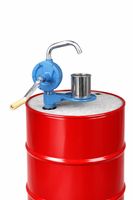
- Materials: Polypropylene, Polyethylene, Aluminum, Steel, Chemical-Resistant Seals.
- Container Compatibility: 5-Gallon Pails, 30-Gallon Drums, 55-Gallon Drums, Standard Bung Openings.
- Liquid Types: Oils, Lubricants, Solvents, Fuels, Chemicals, Food-Grade Liquids.
- Compliance: FDA-Compliant Options for Food Contact; Hazardous Material Pump Options Available.
- Configurations: Push-Pull, Lever Action, Rotary, Fuel, and Hazardous Material Hand Pumps.

Product Comparison Chart
Push-Pull Pump Design Push-pull drum pumps use a vertical hand stroke to draw liquid from a pail, drum, or barrel and dispense it through an outlet spout or hose. This configuration is commonly used for low-viscosity fluids where simple operation and controlled output are required. Push-pull pumps are suited for light-duty dispensing tasks, maintenance rooms, small shops, and facilities handling moderate liquid volumes. They are commonly selected when the liquid does not require high flow rates or heavy-duty pumping force.
Controlled Manual Dispensing Lever action drum pumps use a hand lever to create suction and discharge liquid in measured strokes. This design provides more control than basic push-pull pumps and is often used for oils, lubricants, light chemicals, and moderate-viscosity liquids. Lever pumps are commonly installed on 30-gallon and 55-gallon drums through standard bung openings. They are useful where operators need repeatable manual dispensing without electrical equipment. The lever mechanism also reduces strain when compared with direct lifting or pouring from heavy containers.
Crank-Operated Fluid Transfer Rotary drum pumps use a hand crank to move liquid through an internal pumping chamber. This design supports smoother flow and can handle thicker liquids than many basic hand pump styles. Rotary pumps are commonly used for oils, diesel fuel, kerosene, non-corrosive chemicals, and certain food-grade liquids when the pump materials are compatible. Because the operator controls flow by turning the crank, rotary pumps are suited for applications requiring steady dispensing from drums or barrels. The design is often selected for maintenance, agriculture, and industrial service work.
Plastic and Metal Pump Construction Manual drum pumps are manufactured from materials selected for the liquid being transferred. Polypropylene and polyethylene are commonly used for corrosive chemicals, detergents, acids, and water-based fluids because these plastics resist many chemical reactions. Aluminum and steel pump bodies provide structural strength for oils, lubricants, fuels, and heavy-duty shop use. Seal materials are a major selection factor because seals contact the liquid during pumping. Incompatible seals can swell, crack, leak, or contaminate the product. Buyers should compare the pump body, suction tube, discharge spout, hose, and seals against the chemical being handled.
Food, Fuel, and Hazardous Liquid Requirements Manual drum pumps used for food and beverage applications should be FDA-compliant for product-contact surfaces. Pumps used for fuel or hazardous materials require materials that are compatible with flammable or corrosive liquids. In workplace environments, operators should follow OSHA chemical handling practices, spill control procedures, and container labeling requirements. Fuel transfer applications may require bonding and grounding procedures to reduce static discharge risk. Chemical transfer should be performed only with pumps rated for the specific liquid being dispensed. Safety data sheets should be reviewed before selecting a pump for solvents, acids, fuels, or hazardous materials.
Use Across Maintenance, Chemical, Food, and Agricultural Operations Manual drum hand pumps are used in automotive shops, farms, manufacturing plants, warehouses, food processing facilities, janitorial operations, and chemical handling areas. Automotive and fleet maintenance users commonly dispense motor oil, hydraulic fluid, gear oil, and lubricants. Agricultural users may transfer diesel, oils, and approved chemicals from drums or storage barrels. Food and beverage operations may use FDA-compliant pumps for syrups, flavorings, oils, and other consumable liquids. Chemical processing and facility maintenance departments use compatible pumps for detergents, solvents, cleaning agents, and industrial liquids.
Viscosity, Compatibility, and Container Fit Pump selection should begin with the liquid type and viscosity. Low-viscosity liquids can often be handled by push-pull or lever action pumps. Thicker fluids usually require rotary pumps or lever pumps designed for viscous materials. Chemical compatibility must be checked against the pump body, tube, seals, and discharge parts. Container fit is also important because pumps must match the drum or pail opening. Standard 55-gallon drums typically use bung-mounted pumps, while 5-gallon pails may require shorter suction tubes or adapter fittings. Buyers should also consider flow control, discharge direction, cleaning needs, and whether the liquid is food-grade, flammable, corrosive, or hazardous.
| Product Type | Pump Configuration | Common Liquids | Typical Containers | Material Considerations | Primary Use |
|---|---|---|---|---|---|
| Push-Pull Drum Pumps for Pails & Barrels | Vertical push-pull manual stroke | Light oils, cleaning fluids, low-viscosity liquids | 5-gallon pails, drums, barrels | Plastic or light-duty metal construction depending on liquid compatibility | Low-volume controlled dispensing |
| Lever Action Drum Pumps for Oil, Chemicals & Viscous Liquids | Manual lever stroke pump | Oils, lubricants, chemicals, moderate-viscosity liquids | 30-gallon and 55-gallon drums | Steel, aluminum, or chemical-resistant plastics with compatible seals | Controlled transfer where measured output and hand control are needed |
| Rotary Drum Pumps for Oil, Fuel & Chemical Transfer | Crank-operated rotary pump | Oil, fuel, diesel, chemicals, syrups, thicker liquids | Standard drums and barrels | Metal or chemical-resistant body materials based on fluid type | Higher-output manual transfer of thicker fluids |
| Fuel & Hazardous Hand Drum Pumps | Specialized manual transfer pump | Diesel, gasoline, solvents, hazardous chemicals | Fuel drums, chemical drums, storage barrels | Fuel-compatible seals, corrosion-resistant components, bonding-compatible construction where required | Manual transfer of flammable, corrosive, or regulated liquids |
Push-Pull Pump Design Push-pull drum pumps use a vertical hand stroke to draw liquid from a pail, drum, or barrel and dispense it through an outlet spout or hose. This configuration is commonly used for low-viscosity fluids where simple operation and controlled output are required. Push-pull pumps are suited for light-duty dispensing tasks, maintenance rooms, small shops, and facilities handling moderate liquid volumes. They are commonly selected when the liquid does not require high flow rates or heavy-duty pumping force.
Controlled Manual Dispensing Lever action drum pumps use a hand lever to create suction and discharge liquid in measured strokes. This design provides more control than basic push-pull pumps and is often used for oils, lubricants, light chemicals, and moderate-viscosity liquids. Lever pumps are commonly installed on 30-gallon and 55-gallon drums through standard bung openings. They are useful where operators need repeatable manual dispensing without electrical equipment. The lever mechanism also reduces strain when compared with direct lifting or pouring from heavy containers.
Crank-Operated Fluid Transfer Rotary drum pumps use a hand crank to move liquid through an internal pumping chamber. This design supports smoother flow and can handle thicker liquids than many basic hand pump styles. Rotary pumps are commonly used for oils, diesel fuel, kerosene, non-corrosive chemicals, and certain food-grade liquids when the pump materials are compatible. Because the operator controls flow by turning the crank, rotary pumps are suited for applications requiring steady dispensing from drums or barrels. The design is often selected for maintenance, agriculture, and industrial service work.
Plastic and Metal Pump Construction Manual drum pumps are manufactured from materials selected for the liquid being transferred. Polypropylene and polyethylene are commonly used for corrosive chemicals, detergents, acids, and water-based fluids because these plastics resist many chemical reactions. Aluminum and steel pump bodies provide structural strength for oils, lubricants, fuels, and heavy-duty shop use. Seal materials are a major selection factor because seals contact the liquid during pumping. Incompatible seals can swell, crack, leak, or contaminate the product. Buyers should compare the pump body, suction tube, discharge spout, hose, and seals against the chemical being handled.
Food, Fuel, and Hazardous Liquid Requirements Manual drum pumps used for food and beverage applications should be FDA-compliant for product-contact surfaces. Pumps used for fuel or hazardous materials require materials that are compatible with flammable or corrosive liquids. In workplace environments, operators should follow OSHA chemical handling practices, spill control procedures, and container labeling requirements. Fuel transfer applications may require bonding and grounding procedures to reduce static discharge risk. Chemical transfer should be performed only with pumps rated for the specific liquid being dispensed. Safety data sheets should be reviewed before selecting a pump for solvents, acids, fuels, or hazardous materials.
Use Across Maintenance, Chemical, Food, and Agricultural Operations Manual drum hand pumps are used in automotive shops, farms, manufacturing plants, warehouses, food processing facilities, janitorial operations, and chemical handling areas. Automotive and fleet maintenance users commonly dispense motor oil, hydraulic fluid, gear oil, and lubricants. Agricultural users may transfer diesel, oils, and approved chemicals from drums or storage barrels. Food and beverage operations may use FDA-compliant pumps for syrups, flavorings, oils, and other consumable liquids. Chemical processing and facility maintenance departments use compatible pumps for detergents, solvents, cleaning agents, and industrial liquids.
Viscosity, Compatibility, and Container Fit Pump selection should begin with the liquid type and viscosity. Low-viscosity liquids can often be handled by push-pull or lever action pumps. Thicker fluids usually require rotary pumps or lever pumps designed for viscous materials. Chemical compatibility must be checked against the pump body, tube, seals, and discharge parts. Container fit is also important because pumps must match the drum or pail opening. Standard 55-gallon drums typically use bung-mounted pumps, while 5-gallon pails may require shorter suction tubes or adapter fittings. Buyers should also consider flow control, discharge direction, cleaning needs, and whether the liquid is food-grade, flammable, corrosive, or hazardous.

