


Electric & Air Drum Pumps for Industrial Use
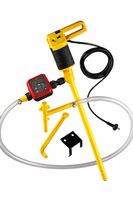
- Materials: Polypropylene, Stainless Steel, Aluminum, Chemical-Resistant Seals, Sanitary Pump Tubes.
- Container Compatibility: 15-Gallon to 55-Gallon Drums with Standard Bung Openings.
- Liquid Types: Oils, Solvents, Chemicals, Fuels, Coolants, Lubricants, and Food-Grade Liquids.
- Compliance: Explosion-Proof Motor Options, Food-Grade Pump Options, OSHA-Safe Handling Practices.
- Configurations: Electric Drum Pumps, Air Operated Drum Pumps, Metered Pumps, Grease Guns, and Oil Pumps.

Product Comparison Chart
Electric Drum Pump Operation Electric drum pumps use a powered motor and pump tube to transfer liquid from drums, barrels, or similar containers. These pumps are selected when transfer volume is too high for manual pumps or when consistent output is required. Electric models are commonly used for oils, coolants, solvents, cleaning chemicals, and compatible food-grade liquids. Flow rate depends on the motor, pump tube design, fluid viscosity, and discharge hose setup. Some models include variable speed or flow-control options for filling smaller containers, process tanks, or dispensing stations.
Compressed-Air Transfer Systems Air operated drum pumps use compressed air instead of an electric motor. This configuration is common in facilities where air lines are already available or where electrical equipment may not be suitable for the operating area. Air powered pumps are often used for chemical transfer, solvent handling, fuel-related applications, and lubrication systems. Because the motor is driven by compressed air, the pump can reduce electrical ignition concerns when correctly matched to the liquid and environment. Air supply pressure, hose diameter, regulator settings, and pump ratio affect output and transfer control.
Pump Tube and Seal Compatibility Material selection is a primary factor when choosing an electric or air drum pump. Polypropylene pump tubes are commonly used for acids, alkalis, detergents, and many corrosive water-based chemicals. Stainless steel pump tubes are used for solvents, fuels, flammable liquids, sanitary liquids, and food-grade applications when the fluid is compatible with stainless steel. Aluminum may be used for general industrial fluids where weight and structural strength are both important. Seal materials must also match the liquid being pumped. Incompatible seals can swell, harden, crack, or leak, causing product loss and equipment failure.
Hazardous, Food-Grade, and Workplace Requirements Industrial drum pump selection must account for workplace safety, liquid classification, and the operating environment. Flammable liquids may require explosion-proof electric motors or air powered pump designs rated for the application. Operators should review safety data sheets before selecting pumps for solvents, fuels, acids, caustics, or hazardous chemicals. Food and beverage transfer requires pump materials suitable for product contact and cleaning. OSHA safety practices, spill control procedures, container labeling, bonding, grounding, and ventilation may apply depending on the liquid and facility layout.
Chemical, Manufacturing, Food, and Lubrication Use Electric and air drum pumps are used in chemical plants, warehouses, food processing facilities, machine shops, fleet maintenance operations, agricultural facilities, and manufacturing plants. Chemical operations use compatible pump tubes for acids, solvents, detergents, and process liquids. Manufacturing facilities use pumps for coolants, cutting fluids, oils, and cleaning agents. Food operations may use stainless steel pump systems for syrups, oils, flavorings, and liquid ingredients. Maintenance departments use grease guns, oil pumps, and lubrication systems to service machinery, vehicles, bearings, gearboxes, and hydraulic equipment.
Fluid Type, Viscosity, Flow Rate, and Power Source Pump selection should begin with the liquid being transferred. Buyers should confirm chemical compatibility with the pump tube, motor type, seals, hose, fittings, and discharge nozzle. Viscosity determines whether a standard transfer pump, high-viscosity pump, grease system, or oil pump is required. Flow rate should match the filling task; high-volume transfer requires faster output, while dispensing into smaller containers may require metered or adjustable control. Power source is also important. Electric pumps suit general high-volume transfer, while air powered pumps suit compressed-air facilities and certain hazardous locations.
Installation, Maintenance, and Transfer Control Electric and air drum pumps should be installed with the correct drum adapter, suction tube length, discharge hose, and nozzle. Operators should inspect seals, hoses, fittings, and power connections before use. Pumps used for chemicals or food-grade liquids may require cleaning between products to prevent contamination or chemical reaction. Lubrication systems should be checked for hose pressure rating, grease consistency, and fitting compatibility. Correct pump selection reduces manual handling, improves transfer consistency, and supports safer liquid movement from bulk containers into process equipment, service tools, or smaller storage vessels.
| Product Group | Pump Type | Common Liquids | Material Considerations | Power Source | Primary Use |
|---|---|---|---|---|---|
| Industrial Chemical Drum Pumps – Food & Solvent Pumps | Electric or Air Drum Pump | Chemicals, solvents, food-grade liquids, cleaners, acids | Polypropylene for corrosives; stainless steel for solvents and sanitary use | Electric Motor or Compressed Air | Bulk liquid transfer from drums in chemical, food, and industrial operations |
| Grease Guns & Oil Pumps | Lubrication Pump or Grease Dispensing Tool | Grease, motor oil, gear oil, hydraulic oil, lubricants | Metal bodies, pressure-rated hoses, lubricant-compatible seals | Manual, Electric, or Air Powered Depending on Model | Equipment lubrication, maintenance, and controlled oil dispensing |
| Orion Oil Pumps & Grease Systems | Industrial Lubrication System | Oil, grease, industrial lubricants | Heavy-duty pump assemblies and transfer components for lubrication service | Air Powered or Pump System Dependent | Centralized or high-use lubrication in shops, service bays, and industrial facilities |
Electric Drum Pump Operation Electric drum pumps use a powered motor and pump tube to transfer liquid from drums, barrels, or similar containers. These pumps are selected when transfer volume is too high for manual pumps or when consistent output is required. Electric models are commonly used for oils, coolants, solvents, cleaning chemicals, and compatible food-grade liquids. Flow rate depends on the motor, pump tube design, fluid viscosity, and discharge hose setup. Some models include variable speed or flow-control options for filling smaller containers, process tanks, or dispensing stations.
Compressed-Air Transfer Systems Air operated drum pumps use compressed air instead of an electric motor. This configuration is common in facilities where air lines are already available or where electrical equipment may not be suitable for the operating area. Air powered pumps are often used for chemical transfer, solvent handling, fuel-related applications, and lubrication systems. Because the motor is driven by compressed air, the pump can reduce electrical ignition concerns when correctly matched to the liquid and environment. Air supply pressure, hose diameter, regulator settings, and pump ratio affect output and transfer control.
Pump Tube and Seal Compatibility Material selection is a primary factor when choosing an electric or air drum pump. Polypropylene pump tubes are commonly used for acids, alkalis, detergents, and many corrosive water-based chemicals. Stainless steel pump tubes are used for solvents, fuels, flammable liquids, sanitary liquids, and food-grade applications when the fluid is compatible with stainless steel. Aluminum may be used for general industrial fluids where weight and structural strength are both important. Seal materials must also match the liquid being pumped. Incompatible seals can swell, harden, crack, or leak, causing product loss and equipment failure.
Hazardous, Food-Grade, and Workplace Requirements Industrial drum pump selection must account for workplace safety, liquid classification, and the operating environment. Flammable liquids may require explosion-proof electric motors or air powered pump designs rated for the application. Operators should review safety data sheets before selecting pumps for solvents, fuels, acids, caustics, or hazardous chemicals. Food and beverage transfer requires pump materials suitable for product contact and cleaning. OSHA safety practices, spill control procedures, container labeling, bonding, grounding, and ventilation may apply depending on the liquid and facility layout.
Chemical, Manufacturing, Food, and Lubrication Use Electric and air drum pumps are used in chemical plants, warehouses, food processing facilities, machine shops, fleet maintenance operations, agricultural facilities, and manufacturing plants. Chemical operations use compatible pump tubes for acids, solvents, detergents, and process liquids. Manufacturing facilities use pumps for coolants, cutting fluids, oils, and cleaning agents. Food operations may use stainless steel pump systems for syrups, oils, flavorings, and liquid ingredients. Maintenance departments use grease guns, oil pumps, and lubrication systems to service machinery, vehicles, bearings, gearboxes, and hydraulic equipment.
Fluid Type, Viscosity, Flow Rate, and Power Source Pump selection should begin with the liquid being transferred. Buyers should confirm chemical compatibility with the pump tube, motor type, seals, hose, fittings, and discharge nozzle. Viscosity determines whether a standard transfer pump, high-viscosity pump, grease system, or oil pump is required. Flow rate should match the filling task; high-volume transfer requires faster output, while dispensing into smaller containers may require metered or adjustable control. Power source is also important. Electric pumps suit general high-volume transfer, while air powered pumps suit compressed-air facilities and certain hazardous locations.
Installation, Maintenance, and Transfer Control Electric and air drum pumps should be installed with the correct drum adapter, suction tube length, discharge hose, and nozzle. Operators should inspect seals, hoses, fittings, and power connections before use. Pumps used for chemicals or food-grade liquids may require cleaning between products to prevent contamination or chemical reaction. Lubrication systems should be checked for hose pressure rating, grease consistency, and fitting compatibility. Correct pump selection reduces manual handling, improves transfer consistency, and supports safer liquid movement from bulk containers into process equipment, service tools, or smaller storage vessels.

