


Grease Guns & Oil Pumps | Industrial Lubrication
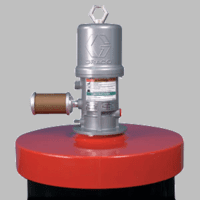
- Materials: Carbon Steel, Stainless Steel, Heavy-Duty Pump Bodies, Pressure-Rated Hoses, Lubricant-Compatible Seals.
- Capacity Range: 5-Gallon, 16-Gallon, and 55-Gallon Grease Pump Systems; 1-Gallon Gear Lube Hand Pump.
- Pressure Ratios: 50:1 and 65:1 Grease Pump Systems for High-Pressure Lubrication.
- Power Types: Manual, Battery-Operated, Air-Powered, and Drum-Mounted Pump Configurations.
- Configurations: Grease Guns, Oil Pumps, Hose Reels, Grease Meters, Dispensing Valves, and Mobile Pump Systems.

$3,998.98
$5,000.00
(You Save 20%)$1,798.98
$1,900.00
(You Save 5%)$1,598.98
$1,700.00
(You Save 6%)$2,198.98
$2,600.00
(You Save 15%)$1,398.98
$1,600.00
(You Save 13%)$2,998.98
$3,500.00
(You Save 14%)$4,998.98
$6,000.00
(You Save 17%)$789.96
$927.00
(You Save 15%)$1,298.98
$1,500.00
(You Save 13%)$979.98
$1,200.00
(You Save 18%)$2,998.98
$3,500.00
(You Save 14%)$1,698.98
$1,999.99
(You Save 15%)$1,398.98
$1,600.00
(You Save 13%)$54.98
$100.00
(You Save 45%)
Product Comparison Chart
Configuration Analysis
Grease Gun and Pump System Types
Grease guns and oil pumps are configured for different lubrication volumes, lubricant thicknesses, and work locations. Battery-operated grease guns are used for portable equipment service where electrical cords or air lines are not practical. Manual gear lube pumps are used for lower-volume oil and gear lube transfer. Drum-mounted grease pumps are used where maintenance crews dispense grease from bulk containers. Mobile grease pump systems with trolley options allow the pump, drum, hose, and dispensing valve to be moved across service bays, maintenance areas, and equipment yards.
50:1 and 65:1 Grease Delivery High-ratio grease pumps use compressed air to generate higher outlet pressure for moving thick lubricants through hoses, valves, and fittings. A 50:1 grease pump produces higher grease pressure than the supplied air pressure, making it suitable for general industrial grease distribution. A 65:1 grease system provides additional pressure for heavier grease, longer hose runs, or applications with higher resistance at the fitting. These systems are commonly used with open-head drums and bulk grease containers where repeated manual greasing would be inefficient.
Pump Bodies, Hoses, and Lubricant Contact Parts Industrial lubrication pumps require pump bodies, tubes, hoses, seals, and valves that are compatible with grease, oil, and gear lube. Carbon steel and stainless steel pump components are used where strength, pressure resistance, and lubricant compatibility are required. Hose assemblies must be rated for the pressure produced by the pump system. Dispensing valves and grease meters must withstand repeated trigger cycles and contact with petroleum-based lubricants. Seal compatibility is important because grease additives, oil viscosity, and operating temperature can affect elastomer life and leakage risk.
Workplace Lubrication and Handling Practices Grease guns and oil pumps should be selected and operated according to workplace safety procedures. Pressurized grease systems require inspection of hoses, fittings, reels, and dispensing valves before use. Damaged hoses or loose fittings can create injection hazards, leaks, or uncontrolled discharge. Oil dispensing systems should be used with spill control procedures and suitable containers. Shops and industrial facilities should follow OSHA safety practices for compressed air, hose management, walking surfaces, and lubricant storage. Used oil and contaminated grease should be collected and disposed of according to applicable environmental rules.
Fleet, Automotive, Manufacturing, Agriculture, and Construction Use Industrial grease guns and oil pumps are used in automotive service shops, fleet maintenance departments, manufacturing plants, construction sites, and agricultural operations. Fleet users apply grease to chassis fittings, suspension components, U-joints, pins, bushings, and equipment pivot points. Manufacturing facilities use lubrication systems for bearings, conveyors, presses, gearboxes, and production machinery. Construction crews use mobile grease pumps for loaders, excavators, skid steers, cranes, and compactors. Agricultural users service tractors, combines, balers, augers, and irrigation equipment. Oil hose reels support controlled delivery of motor oil, hydraulic oil, and other shop fluids.
Lubricant Type, Volume, Mobility, and Dispensing Control Selection should begin with the lubricant type and the required dispensing volume. Thick grease, long hose runs, and high-resistance fittings may require 50:1 or 65:1 pump systems. Smaller service tasks may use battery-operated grease guns or manual gear lube pumps. Facilities using full-size grease drums should consider 55-gallon pump systems, while smaller operations may use 5-gallon or 16-gallon systems. Trolley-mounted units are suited for mobile work areas, while no-trolley systems may be used in fixed lubrication stations. Buyers should also evaluate hose length, valve type, metering needs, drum compatibility, and compressed air availability.
Maintenance, Metering, and Hose Management Lubrication equipment should be inspected regularly to maintain controlled output and reduce leakage. Grease meters help track dispensing volume where measured lubrication is required. Dispensing valves provide operator control at the point of application. Spring rewind oil hose reels help manage hose storage, reduce floor clutter, and support safer movement around service bays. Grease pump followers, drum covers, and pump mounts should be matched to container size to prevent contamination and improve pump pickup. Correct system matching supports consistent lubrication, reduced manual handling, and controlled delivery of grease, oil, and industrial lubricants.
| Product | Configuration | Capacity / Size | Pressure / Output | Power Type | Primary Use |
|---|---|---|---|---|---|
| Mobile Heavy Duty Grease Pump System, 5 Gallon, No Trolley | Mobile grease pump system | 5 Gallon | Heavy-duty grease dispensing | Air-powered pump system | Shop and maintenance lubrication from smaller grease containers |
| Mobile Heavy Duty Grease Pump, 16 Gallon with Trolley | Mobile grease pump with trolley | 16 Gallon | Heavy-duty grease dispensing | Air-powered pump system | Portable lubrication across service bays and job sites |
| Mobile Heavy Duty Grease Pump, 16 Gallon, No Trolley | Stationary or semi-mobile grease pump | 16 Gallon | Heavy-duty grease dispensing | Air-powered pump system | Bulk grease transfer where trolley mobility is not required |
| Mobile Heavy Duty Grease Pump, 55 Gallon with Trolley | Drum-mounted mobile grease pump system | 55 Gallon | Heavy-duty grease dispensing | Air-powered pump system | High-volume lubrication from full-size grease drums |
| 65:1 Grease System Heavy Duty Grease Pump for Open Head Drum | High-ratio grease pump system | Open-head drum compatible | 65:1 pressure ratio | Air-powered pump system | High-pressure grease delivery for thick lubricants |
| GRACO 50:1 Fire-Ball Grease Drum Pumps | Grease drum pump | Drum-mounted configuration | 50:1 pressure ratio | Air-powered pump system | Industrial grease dispensing for fleet and equipment service |
| Graco LDX 1/2" x 50' Spring Rewind Oil Hose Reel | Oil hose reel with hose | 1/2" x 50' | Controlled oil delivery | System accessory | Oil dispensing from bulk lubrication systems |
| GRACO ACCU-SHOT Electronic Grease Pump Meter | Electronic grease meter | Metered dispensing accessory | Controlled grease measurement | Electronic metering | Measured grease output during maintenance tasks |
| 19 Volt Battery-Operated Grease Gun with Chargers, Batteries & Case | Battery-operated grease gun | 3-pack kit | Portable grease delivery | 19 Volt battery | Field lubrication and mobile equipment maintenance |
| ZeeLine 321 Gear Lube Hand Pump | Manual gear lube pump | 1 gallon per 55 strokes | Manual output | Hand operated | Gear oil and lubricant transfer from containers |
50:1 and 65:1 Grease Delivery High-ratio grease pumps use compressed air to generate higher outlet pressure for moving thick lubricants through hoses, valves, and fittings. A 50:1 grease pump produces higher grease pressure than the supplied air pressure, making it suitable for general industrial grease distribution. A 65:1 grease system provides additional pressure for heavier grease, longer hose runs, or applications with higher resistance at the fitting. These systems are commonly used with open-head drums and bulk grease containers where repeated manual greasing would be inefficient.
Pump Bodies, Hoses, and Lubricant Contact Parts Industrial lubrication pumps require pump bodies, tubes, hoses, seals, and valves that are compatible with grease, oil, and gear lube. Carbon steel and stainless steel pump components are used where strength, pressure resistance, and lubricant compatibility are required. Hose assemblies must be rated for the pressure produced by the pump system. Dispensing valves and grease meters must withstand repeated trigger cycles and contact with petroleum-based lubricants. Seal compatibility is important because grease additives, oil viscosity, and operating temperature can affect elastomer life and leakage risk.
Workplace Lubrication and Handling Practices Grease guns and oil pumps should be selected and operated according to workplace safety procedures. Pressurized grease systems require inspection of hoses, fittings, reels, and dispensing valves before use. Damaged hoses or loose fittings can create injection hazards, leaks, or uncontrolled discharge. Oil dispensing systems should be used with spill control procedures and suitable containers. Shops and industrial facilities should follow OSHA safety practices for compressed air, hose management, walking surfaces, and lubricant storage. Used oil and contaminated grease should be collected and disposed of according to applicable environmental rules.
Fleet, Automotive, Manufacturing, Agriculture, and Construction Use Industrial grease guns and oil pumps are used in automotive service shops, fleet maintenance departments, manufacturing plants, construction sites, and agricultural operations. Fleet users apply grease to chassis fittings, suspension components, U-joints, pins, bushings, and equipment pivot points. Manufacturing facilities use lubrication systems for bearings, conveyors, presses, gearboxes, and production machinery. Construction crews use mobile grease pumps for loaders, excavators, skid steers, cranes, and compactors. Agricultural users service tractors, combines, balers, augers, and irrigation equipment. Oil hose reels support controlled delivery of motor oil, hydraulic oil, and other shop fluids.
Lubricant Type, Volume, Mobility, and Dispensing Control Selection should begin with the lubricant type and the required dispensing volume. Thick grease, long hose runs, and high-resistance fittings may require 50:1 or 65:1 pump systems. Smaller service tasks may use battery-operated grease guns or manual gear lube pumps. Facilities using full-size grease drums should consider 55-gallon pump systems, while smaller operations may use 5-gallon or 16-gallon systems. Trolley-mounted units are suited for mobile work areas, while no-trolley systems may be used in fixed lubrication stations. Buyers should also evaluate hose length, valve type, metering needs, drum compatibility, and compressed air availability.
Maintenance, Metering, and Hose Management Lubrication equipment should be inspected regularly to maintain controlled output and reduce leakage. Grease meters help track dispensing volume where measured lubrication is required. Dispensing valves provide operator control at the point of application. Spring rewind oil hose reels help manage hose storage, reduce floor clutter, and support safer movement around service bays. Grease pump followers, drum covers, and pump mounts should be matched to container size to prevent contamination and improve pump pickup. Correct system matching supports consistent lubrication, reduced manual handling, and controlled delivery of grease, oil, and industrial lubricants.

