


Stationary Fiber Drum Dechimers
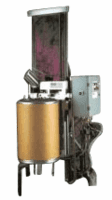
- Material Composition: Stationary industrial dechiming system with powered cutting and control components.
- Size/Capacity Range: Designed for fiber drum dechiming and rim removal in industrial drum processing operations.
- Compliance/Ratings: 110 V and 220 V powered models; computer-controlled self-adjusting option available.
- Closure Types: Used on fiber drums with chime or rim structures requiring removal before processing.
- Product Types: 110 V stationary fiber drum dechimer and 220 V computer-controlled self-adjusting stationary fiber drum dechimer.

$39,498.98
Product Comparison Chart
Stationary Fiber Drum Dechiming Configuration Stationary fiber drum dechimers are configured as fixed processing machines for removing reinforced chimes or rim sections from fiber drums. Unlike handheld drum deheaders, these systems are positioned as a dedicated work station where drums are brought to the machine for repeated processing. The 110 V model is suited for facilities that need powered dechiming with standard electrical service. The 220 V model adds computer-controlled self-adjustment for operations where drum variation, production speed, and repeatability are important. This configuration supports recycling, disposal preparation, and material separation workflows where fiber drums must be reduced, opened, or prepared for downstream handling.
Fiber Drum Cutting and Rim Removal System Fiber drums are typically constructed from wound fiberboard or composite body material with reinforced top and bottom chimes. These chimes may be made from metal, fiber, or composite reinforcement depending on the drum design. A stationary dechimer must manage the difference between the drum wall and rim structure while maintaining cutting alignment. The cutting system must remove or separate the chime without excessive damage to the drum body when material recovery or controlled breakdown is required. Machine performance can be affected by drum diameter, wall thickness, chime material, lid design, moisture exposure, and prior handling damage. The self-adjusting 220 V model is used where drum variation requires automated positioning.
Machine Safety and Drum Processing Requirements Fiber drum dechiming operations should follow OSHA workplace safety requirements for powered machinery, operator training, guarding, lockout/tagout, and personal protective equipment. If the fiber drums previously contained regulated materials, DOT and waste handling requirements may also apply during disposal or recycling preparation. Drums that held powders, chemicals, food ingredients, coatings, or hazardous solids should be reviewed for residue risk before cutting or dechiming. Dust control may also be required when processing fiberboard materials, especially in enclosed areas. Facilities should evaluate ventilation, housekeeping, electrical safety, emergency stops, and maintenance access before placing a stationary dechimer into production.
Use Across Recycling, Disposal, and Material Recovery Operations Stationary fiber drum dechimers are used in recycling facilities, drum reconditioning operations, manufacturing plants, food ingredient facilities, chemical handling areas, and industrial waste processing sites. Recycling operations use dechimers to separate reinforced drum rims from fiber bodies before sorting or disposal. Drum processors may use the equipment to prepare fiber drums for breakdown, compaction, or material recovery. Food and ingredient facilities may process empty fiber drums after dry products or powders are removed. Chemical and industrial operations may use dechiming equipment when fiber drums must be reduced before disposal. The stationary format is most applicable where fiber drum processing is repeated and part of an organized workflow.
Technical Factors for Buyers Buyers should evaluate processing volume, available electrical service, drum construction, chime material, operator skill level, and automation requirements. The 110 V stationary fiber drum dechimer is suitable where standard voltage access and powered dechiming are required. The 220 V computer-controlled self-adjusting model is better suited for operations that process varied fiber drum sizes or need more automated control. Buyers should also consider floor space, drum staging, machine guarding, dust generation, maintenance access, and downstream material handling. If drums contained regulated or hazardous materials, residue identification and disposal classification should be completed before processing. Replacement cutting components and service support should also be reviewed before purchase.
| Product | Power Type | Primary Function | Control Type | Application |
|---|---|---|---|---|
| 110 V - Stationary Fiber Drum Dechimer | 110 V electric | Removes chimes or reinforced rim sections from fiber drums | Stationary powered operation | Fiber drum recycling, disposal preparation, and industrial drum processing |
| 220 V - Stationary Fiber Drum Dechimer, Computer Controlled and Self Adjusting | 220 V electric | Removes chimes or reinforced rim sections from fiber drums with automated adjustment | Computer-controlled self-adjusting operation | Higher-volume fiber drum processing where automated adjustment and repeatability are required |
Stationary Fiber Drum Dechiming Configuration Stationary fiber drum dechimers are configured as fixed processing machines for removing reinforced chimes or rim sections from fiber drums. Unlike handheld drum deheaders, these systems are positioned as a dedicated work station where drums are brought to the machine for repeated processing. The 110 V model is suited for facilities that need powered dechiming with standard electrical service. The 220 V model adds computer-controlled self-adjustment for operations where drum variation, production speed, and repeatability are important. This configuration supports recycling, disposal preparation, and material separation workflows where fiber drums must be reduced, opened, or prepared for downstream handling.
Fiber Drum Cutting and Rim Removal System Fiber drums are typically constructed from wound fiberboard or composite body material with reinforced top and bottom chimes. These chimes may be made from metal, fiber, or composite reinforcement depending on the drum design. A stationary dechimer must manage the difference between the drum wall and rim structure while maintaining cutting alignment. The cutting system must remove or separate the chime without excessive damage to the drum body when material recovery or controlled breakdown is required. Machine performance can be affected by drum diameter, wall thickness, chime material, lid design, moisture exposure, and prior handling damage. The self-adjusting 220 V model is used where drum variation requires automated positioning.
Machine Safety and Drum Processing Requirements Fiber drum dechiming operations should follow OSHA workplace safety requirements for powered machinery, operator training, guarding, lockout/tagout, and personal protective equipment. If the fiber drums previously contained regulated materials, DOT and waste handling requirements may also apply during disposal or recycling preparation. Drums that held powders, chemicals, food ingredients, coatings, or hazardous solids should be reviewed for residue risk before cutting or dechiming. Dust control may also be required when processing fiberboard materials, especially in enclosed areas. Facilities should evaluate ventilation, housekeeping, electrical safety, emergency stops, and maintenance access before placing a stationary dechimer into production.
Use Across Recycling, Disposal, and Material Recovery Operations Stationary fiber drum dechimers are used in recycling facilities, drum reconditioning operations, manufacturing plants, food ingredient facilities, chemical handling areas, and industrial waste processing sites. Recycling operations use dechimers to separate reinforced drum rims from fiber bodies before sorting or disposal. Drum processors may use the equipment to prepare fiber drums for breakdown, compaction, or material recovery. Food and ingredient facilities may process empty fiber drums after dry products or powders are removed. Chemical and industrial operations may use dechiming equipment when fiber drums must be reduced before disposal. The stationary format is most applicable where fiber drum processing is repeated and part of an organized workflow.
Technical Factors for Buyers Buyers should evaluate processing volume, available electrical service, drum construction, chime material, operator skill level, and automation requirements. The 110 V stationary fiber drum dechimer is suitable where standard voltage access and powered dechiming are required. The 220 V computer-controlled self-adjusting model is better suited for operations that process varied fiber drum sizes or need more automated control. Buyers should also consider floor space, drum staging, machine guarding, dust generation, maintenance access, and downstream material handling. If drums contained regulated or hazardous materials, residue identification and disposal classification should be completed before processing. Replacement cutting components and service support should also be reviewed before purchase.

