


Deheader Towers | Electric & Air Drum Openers
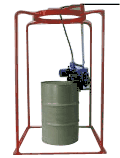
- Material Composition: Industrial deheader tower assembly with electric or air-powered drive system.
- Size/Capacity Range: Designed for industrial drum deheading applications, including standard closed-head steel drums.
- Compliance/Ratings: Intended for controlled drum opening; follow OSHA, DOT, and facility safety procedures.
- Closure Types: Used to remove sealed tops from closed-head drums for disposal, reuse, or processing.
- Product Types: Electric deheader tower and air-powered deheader tower.

$4,198.98
$5,000.00
(You Save 16%)$4,198.98
$4,940.00
(You Save 15%)
Product Comparison Chart
Configuration Analysis
Electric and Air-Powered Tower Configuration Deheader towers are configured as powered drum opening systems for facilities that need more control than handheld deheaders provide. The tower format supports a dedicated cutting position, which can improve repeatability when multiple drums must be processed in the same work area. The electric model uses an electric drive system and is suitable where electrical power is available and appropriate for the operating environment. The air-powered model uses compressed air and may be selected where pneumatic tooling is already used or where facility rules limit certain electric equipment. Both configurations are intended to remove sealed drum tops for access, reuse, or disposal preparation.
Powered Cutting System Construction The main engineering elements of a deheader tower are the support structure, drive system, cutting assembly, and drum positioning interface. The tower must keep the cutting mechanism aligned with the drum top while the cut is made. Electric models depend on motor-driven operation, while air models depend on pneumatic power supply, pressure control, and air line capacity. Cutting quality can be affected by drum gauge, lid contour, chime condition, dents, corrosion, and prior handling damage. Routine inspection should include cutting edges, drive components, fasteners, guards, and contact points. Worn parts can increase cutting resistance and reduce edge consistency.
Workplace Safety and Hazard-Control Requirements Drum deheading requires verification of prior drum contents before cutting. Closed-head drums can retain vapors after they appear empty, especially if they previously contained solvents, fuels, coatings, chemicals, or unknown materials. Powered equipment should be reviewed against OSHA workplace safety rules, facility area classifications, and internal hazard-control procedures. DOT requirements may apply when drums contained regulated materials or residues. Electric and pneumatic systems may require different controls for flammable or classified locations. Vapor testing, cleaning, ventilation, grounding, bonding, PPE, machine guarding, and operator training should be addressed before drums are opened.
Use Across Production, Recycling, and Waste Facilities Deheader towers are used in drum reconditioning plants, recycling operations, manufacturing facilities, chemical handling areas, maintenance shops, and industrial waste processing sites. Reconditioning facilities use powered deheaders to remove tops before inspection, cleaning, repair, or reuse. Recycling yards use tower systems to prepare drums for crushing, sorting, and scrap handling. Chemical and manufacturing plants may use them when drum opening is part of routine material handling or waste management. Maintenance departments may use electric or air-powered deheader towers when drum opening occurs often enough that manual deheaders create excess operator strain or inconsistent cutting results.
Technical Factors for Buyers Buyers should evaluate weekly drum volume, available utilities, drum material, work area classification, and operator safety requirements before selecting a deheader tower. Electric models are appropriate where electrical service is available and approved for the drum processing area. Air models are appropriate where compressed air is preferred, already available, or required by facility procedures. Buyers should also review the types of drums being opened, the condition of the chime, and whether drums may contain hazardous or flammable residues. Maintenance access, replacement cutting components, guarding, training needs, ventilation, and safe drum staging should be included in the selection process.
| Product | Power Type | Primary Function | System Type | Application |
|---|---|---|---|---|
| Deheader Tower Electric | Electric | Removes sealed tops from closed-head drums | Powered deheader tower | Industrial drum deheading, drum conversion, disposal preparation, and recycling operations |
| Deheader Tower Air | Compressed air | Removes sealed tops from closed-head drums using pneumatic operation | Air-powered deheader tower | Drum opening where pneumatic equipment is preferred or electric operation is not suitable |
Electric and Air-Powered Tower Configuration Deheader towers are configured as powered drum opening systems for facilities that need more control than handheld deheaders provide. The tower format supports a dedicated cutting position, which can improve repeatability when multiple drums must be processed in the same work area. The electric model uses an electric drive system and is suitable where electrical power is available and appropriate for the operating environment. The air-powered model uses compressed air and may be selected where pneumatic tooling is already used or where facility rules limit certain electric equipment. Both configurations are intended to remove sealed drum tops for access, reuse, or disposal preparation.
Powered Cutting System Construction The main engineering elements of a deheader tower are the support structure, drive system, cutting assembly, and drum positioning interface. The tower must keep the cutting mechanism aligned with the drum top while the cut is made. Electric models depend on motor-driven operation, while air models depend on pneumatic power supply, pressure control, and air line capacity. Cutting quality can be affected by drum gauge, lid contour, chime condition, dents, corrosion, and prior handling damage. Routine inspection should include cutting edges, drive components, fasteners, guards, and contact points. Worn parts can increase cutting resistance and reduce edge consistency.
Workplace Safety and Hazard-Control Requirements Drum deheading requires verification of prior drum contents before cutting. Closed-head drums can retain vapors after they appear empty, especially if they previously contained solvents, fuels, coatings, chemicals, or unknown materials. Powered equipment should be reviewed against OSHA workplace safety rules, facility area classifications, and internal hazard-control procedures. DOT requirements may apply when drums contained regulated materials or residues. Electric and pneumatic systems may require different controls for flammable or classified locations. Vapor testing, cleaning, ventilation, grounding, bonding, PPE, machine guarding, and operator training should be addressed before drums are opened.
Use Across Production, Recycling, and Waste Facilities Deheader towers are used in drum reconditioning plants, recycling operations, manufacturing facilities, chemical handling areas, maintenance shops, and industrial waste processing sites. Reconditioning facilities use powered deheaders to remove tops before inspection, cleaning, repair, or reuse. Recycling yards use tower systems to prepare drums for crushing, sorting, and scrap handling. Chemical and manufacturing plants may use them when drum opening is part of routine material handling or waste management. Maintenance departments may use electric or air-powered deheader towers when drum opening occurs often enough that manual deheaders create excess operator strain or inconsistent cutting results.
Technical Factors for Buyers Buyers should evaluate weekly drum volume, available utilities, drum material, work area classification, and operator safety requirements before selecting a deheader tower. Electric models are appropriate where electrical service is available and approved for the drum processing area. Air models are appropriate where compressed air is preferred, already available, or required by facility procedures. Buyers should also review the types of drums being opened, the condition of the chime, and whether drums may contain hazardous or flammable residues. Maintenance access, replacement cutting components, guarding, training needs, ventilation, and safe drum staging should be included in the selection process.

