


Drum & Pail Dollies | Heavy Duty Drum Dolly Carts
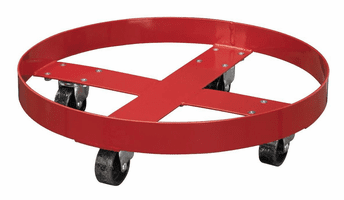
- Material Composition: Zinc-Plated Steel, Stainless Steel, and High-Density Polyethylene.
- Weight Capacities: 75 lbs to 2,000 lbs load ratings.
- Size Range: 5-Gallon Pail to 110-Gallon Overpack Drum diameters.
- Caster Configurations: Swivel, Rigid, and Locking options in Polyolefin or Phenolic materials.

Featured Products
Drum & Pail Dolly Specifications and Load Capacities
| Container Size | Internal Diameter | Standard Load Capacity | Typical Frame Material | Caster Type |
|---|---|---|---|---|
| 5-Gallon Pail | 11" – 12" | 75 – 200 lbs | Polypropylene / Steel | 2" Swivel |
| 15-20 Gallon | 14" – 16" | 300 – 500 lbs | Zinc-Plated Steel | 3" Polyolefin |
| 30-35 Gallon | 18" – 20" | 500 – 900 lbs | Carbon Steel | 3" Phenolic |
| 55-Gallon Drum | 23" – 24" | 900 – 1,200 lbs | Steel / Stainless Steel | 4" Heavy-Duty |
| 85-110 Gallon | 27" – 30"+ | 1,000 – 2,000 lbs | Reinforced Steel | 5" Dual-Ball Bearing |
Industrial Configuration and Frame Analysis The structural design of a drum dolly is dictated by the diameter and weight of the container it is intended to transport. Standard 55-gallon drum dollies typically utilize a cross-strap or circular frame design, providing a low center of gravity to prevent tipping during transit. For smaller containers, 5-gallon bucket dollies utilize a compact tripod or four-caster layout to ensure stability for high-density liquids. Specialized 85 to 110-gallon dollies are engineered with wider wheelbases and reinforced welding points to support the increased surface area and mass of overpack salvage drums. Tilting dollies or those with integrated chime hooks allow for the secure positioning of drums at an angle, facilitating controlled dispensing or agitation of contents.
Material Engineering and Surface Compatibility The selection of frame material is determined by the operating environment and the chemical nature of the drum contents. Zinc-plated carbon steel provides high tensile strength for general warehouse use, while Type 304 or 316 stainless steel is mandatory for pharmaceutical and food-processing cleanrooms due to its resistance to oxidation and caustic washdown procedures. For environments involving high moisture or acidic spills, heavy-duty plastic dollies offer non-sparking properties and total corrosion immunity. Caster material is equally critical; polyolefin wheels provide floor protection and chemical resistance, while phenolic wheels offer high weight capacities and heat resistance for applications where drums must be heated while positioned on the dolly.
Regulatory Standards and Safety Compliance While dollies themselves do not carry UN ratings like the containers they support, their use is governed by OSHA 1910 Subpart N regarding materials handling and storage. Heavy-duty dollies must meet specific Load Capacity Ratings (LCR) to prevent structural failure under the weight of full steel drums, which can exceed 800 lbs. In hazardous environments (Class I, Division 1), non-sparking materials and conductive casters are utilized to mitigate the risk of static discharge during the movement of flammable liquids. Compliance with ergonomic standards is achieved through the use of high-quality ball-bearing swivels, which reduce the "break-out" force required to initiate movement, thereby minimizing musculoskeletal strain on operators.
Industrial Applications and Use Cases Drum dollies are essential components in chemical processing, where they facilitate the movement of raw materials from storage to mixing stations. In the food and beverage industry, stainless steel pails and dollies are used to transport ingredients through sanitary production zones. Agricultural sectors utilize 30-35 gallon dollies for the mobile application of fertilizers or pesticides. In environmental remediation, 85-gallon overpack dollies are used to transport leaking or damaged drums to containment areas. The versatility of these carts allows for seamless integration into assembly lines, automotive shops, and waste management facilities where frequent repositioning of heavy containers is a daily operational requirement.
Technical Selection Criteria for Procurement When specifying a drum or pail dolly, the primary factor is the outer diameter of the container base to ensure a secure fit within the dolly ring or frame. The total load weight—including the container and its contents—must not exceed the rated capacity of the casters. Environmental factors, such as the presence of floor debris, grates, or inclines, dictate the diameter and hardness of the wheels; larger wheels are required for traversing uneven surfaces. Furthermore, chemical compatibility must be verified for both the frame and the caster material to prevent degradation in the event of a spill. Finally, operational requirements, such as the need to heat the drum while on the dolly, necessitate specialized high-temperature wheel materials.

