


15 to 20 Gallon Drum Dollies | Barrel Handling Carts
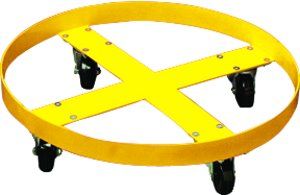
- Material Composition: Steel frames, stainless steel options, phenolic wheels, cast iron wheels, hard rubber wheels, and steel casters.
- Size/Capacity Range: Designed for 15-gallon, 16-gallon, 20-gallon, and multi-size 15/30/55-gallon drum handling.
- Load Ratings: Available capacity ranges include 900 lb, 1200 lb, and model-specific industrial drum support.
- Wheel/Caster Types: Rubber wheels, phenolic casters, cast iron wheels, steel casters, and spill scooter dolly configurations.
- Configurations: Four-tier drum dollies, single-drum dollies, double drum dollies, spill scooter dollies, and optional T-handle assemblies.

$99.98
$119.99
(You Save 17%)$149.98
$179.98
(You Save 17%)$99.98
$117.63
(You Save 15%)$45.98
$55.98
(You Save 18%)$49.98
$59.98
(You Save 17%)$249.95
$349.95
(You Save 29%)$69.98
$100.00
(You Save 30%)Product Comparison Chart
Configuration Analysis 15 to 20 gallon drum dollies are built in several handling formats. Single-drum dollies support one 15 or 16 gallon barrel and are commonly used where operators need to move containers between filling points, storage racks, workstations, and dispensing areas. Four-tier drum dollies use a circular or stepped support structure to stabilize smaller drums while allowing the load to be rolled rather than lifted. These models are available with 900 lb rubber-wheel configurations and 1200 lb cast-iron-wheel configurations. Double drum dollies add a larger handling platform for 15, 30, and 55 gallon containers, allowing a facility to use one dolly type across multiple drum sizes. Spill scooter drum dollies are used where drum movement is connected to spill containment, fluid transfer, or liquid handling procedures.
Wheel and Caster Engineering Wheel material affects rolling resistance, floor protection, load movement, and use environment. Rubber wheels are used where operators need quieter movement and reduced floor marking compared with harder wheel materials. Phenolic casters are suited for smooth concrete and warehouse floors, providing a hard rolling surface for controlled movement under moderate industrial loads. Cast iron wheels are used where higher load ratings and impact resistance are required, particularly on hard floors where floor protection is less of a priority. Steel casters provide a rigid metal wheel option for rougher industrial conditions. Buyers should match wheel type to floor surface, load weight, frequency of movement, and whether the dolly will be used around debris, liquids, or uneven transitions.
Frame Construction and Load Distribution The frame of a small drum dolly must support the base of the container while keeping the center of gravity low during movement. Steel drum dollies provide structural stiffness for frequent handling and loaded drum transport. Four-tier designs distribute the drum load across several support points, reducing localized stress on the dolly frame. Double drum dollies require broader frame geometry because they support different drum diameters and may carry heavier combined loads. Load capacity should be evaluated based on the heaviest filled drum expected in service, not the empty drum weight. A 15 or 20 gallon container filled with dense liquid can exceed the expected handling weight of the same drum filled with lighter material.
Regulatory and Workplace Safety Considerations Drum dollies are not normally classified as shipping containers, but they are part of workplace material handling systems. Facilities using drum dollies for hazardous materials should evaluate handling procedures under OSHA workplace safety expectations, including stable movement, proper aisle clearance, and spill prevention. When hazardous liquids are stored or moved, the drum itself must meet the required DOT or UN packaging standard for the material being transported. The dolly must be selected to support the filled container without tipping, dragging, or wheel failure. For spill-prone operations, spill scooter dollies can be used as part of a containment workflow, especially when paired with correct transfer equipment, closed containers, and operator training.
Industrial Applications 15 to 20 gallon drum dollies are used in chemical handling, maintenance departments, food processing support areas, laboratories, automotive service, coatings operations, and small-batch manufacturing. Chemical facilities use smaller drum dollies to move additives, solvents, cleaners, and process chemicals between storage and work zones. Food and beverage operations may use them for compatible ingredient containers or sanitation chemicals, depending on container type and facility rules. Maintenance crews use drum dollies for lubricants, absorbents, parts-washing fluids, and waste collection. Agricultural and grounds operations use them for smaller chemical, oil, or fluid containers where full-size 55 gallon drum handling equipment is not required.
Selection Criteria Buyers should first confirm the drum diameter, drum capacity, and filled weight. A dolly listed for 15 or 16 gallon barrels may not fit every 20 gallon container if the base diameter is different. The next factor is wheel type. Rubber wheels fit general movement and floor-sensitive areas, while cast iron or steel wheels are more suited to harder industrial surfaces. Phenolic casters are a middle-ground choice for smooth warehouse floors. Load rating should include a margin above the heaviest expected drum. For multi-size operations, a 15-30-55 gallon double drum dolly may reduce the number of separate handling units needed. For liquid handling or spill-risk areas, a spill scooter dolly and T-handle assembly may provide better movement control.
| Product | Drum Size Compatibility | Frame / Construction | Wheel or Caster Type | Load Capacity | Primary Use |
|---|---|---|---|---|---|
| Four-tier Drum Dolly with Rubber Wheels | 15 to 20 gallon drums and compatible smaller barrels | Industrial drum dolly frame | Rubber wheels | 900 lb | General drum transport on finished or mixed floor surfaces |
| Four-tier Drum Dolly with Cast Iron Wheels | 15 to 20 gallon drums and compatible smaller barrels | Industrial drum dolly frame | Cast iron wheels | 1200 lb | Heavy-load drum movement on hard industrial floors |
| 15 / 16 Gal Steel Drum Dolly - Green | 15 and 16 gallon drums | Painted steel | Swivel caster configuration | Model-specific | Dedicated handling of 15 and 16 gallon steel or plastic drums |
| Drum Dolly with Phenolic Casters | 15 and 16 gallon barrels | Industrial dolly frame | Phenolic casters | Model-specific | Movement across smooth concrete and warehouse floors |
| Drum Dolly with Steel Casters | 15 and 16 gallon barrels | Industrial dolly frame | Steel casters | Model-specific | Drum movement in rugged industrial settings |
| 15-30-55 Gallon Double Drum Dolly | 15, 30, and 55 gallon drums | Double-drum handling frame | Industrial caster assembly | Model-specific | Moving two drums or different drum sizes with one platform |
| Spill Scooter Drum Dolly Only | Compatible drum sizes based on spill scooter setup | Spill-control dolly platform | Industrial caster assembly | Model-specific | Drum movement in liquid handling and spill-control areas |
| T-Handle for Spill Scooter Drum Dolly | Accessory for spill scooter drum dolly | Steel handle assembly | Not applicable | Not applicable | Manual steering and controlled movement of spill scooter dollies |
Configuration Analysis 15 to 20 gallon drum dollies are built in several handling formats. Single-drum dollies support one 15 or 16 gallon barrel and are commonly used where operators need to move containers between filling points, storage racks, workstations, and dispensing areas. Four-tier drum dollies use a circular or stepped support structure to stabilize smaller drums while allowing the load to be rolled rather than lifted. These models are available with 900 lb rubber-wheel configurations and 1200 lb cast-iron-wheel configurations. Double drum dollies add a larger handling platform for 15, 30, and 55 gallon containers, allowing a facility to use one dolly type across multiple drum sizes. Spill scooter drum dollies are used where drum movement is connected to spill containment, fluid transfer, or liquid handling procedures.
Wheel and Caster Engineering Wheel material affects rolling resistance, floor protection, load movement, and use environment. Rubber wheels are used where operators need quieter movement and reduced floor marking compared with harder wheel materials. Phenolic casters are suited for smooth concrete and warehouse floors, providing a hard rolling surface for controlled movement under moderate industrial loads. Cast iron wheels are used where higher load ratings and impact resistance are required, particularly on hard floors where floor protection is less of a priority. Steel casters provide a rigid metal wheel option for rougher industrial conditions. Buyers should match wheel type to floor surface, load weight, frequency of movement, and whether the dolly will be used around debris, liquids, or uneven transitions.
Frame Construction and Load Distribution The frame of a small drum dolly must support the base of the container while keeping the center of gravity low during movement. Steel drum dollies provide structural stiffness for frequent handling and loaded drum transport. Four-tier designs distribute the drum load across several support points, reducing localized stress on the dolly frame. Double drum dollies require broader frame geometry because they support different drum diameters and may carry heavier combined loads. Load capacity should be evaluated based on the heaviest filled drum expected in service, not the empty drum weight. A 15 or 20 gallon container filled with dense liquid can exceed the expected handling weight of the same drum filled with lighter material.
Regulatory and Workplace Safety Considerations Drum dollies are not normally classified as shipping containers, but they are part of workplace material handling systems. Facilities using drum dollies for hazardous materials should evaluate handling procedures under OSHA workplace safety expectations, including stable movement, proper aisle clearance, and spill prevention. When hazardous liquids are stored or moved, the drum itself must meet the required DOT or UN packaging standard for the material being transported. The dolly must be selected to support the filled container without tipping, dragging, or wheel failure. For spill-prone operations, spill scooter dollies can be used as part of a containment workflow, especially when paired with correct transfer equipment, closed containers, and operator training.
Industrial Applications 15 to 20 gallon drum dollies are used in chemical handling, maintenance departments, food processing support areas, laboratories, automotive service, coatings operations, and small-batch manufacturing. Chemical facilities use smaller drum dollies to move additives, solvents, cleaners, and process chemicals between storage and work zones. Food and beverage operations may use them for compatible ingredient containers or sanitation chemicals, depending on container type and facility rules. Maintenance crews use drum dollies for lubricants, absorbents, parts-washing fluids, and waste collection. Agricultural and grounds operations use them for smaller chemical, oil, or fluid containers where full-size 55 gallon drum handling equipment is not required.
Selection Criteria Buyers should first confirm the drum diameter, drum capacity, and filled weight. A dolly listed for 15 or 16 gallon barrels may not fit every 20 gallon container if the base diameter is different. The next factor is wheel type. Rubber wheels fit general movement and floor-sensitive areas, while cast iron or steel wheels are more suited to harder industrial surfaces. Phenolic casters are a middle-ground choice for smooth warehouse floors. Load rating should include a margin above the heaviest expected drum. For multi-size operations, a 15-30-55 gallon double drum dolly may reduce the number of separate handling units needed. For liquid handling or spill-risk areas, a spill scooter dolly and T-handle assembly may provide better movement control.

