


BriskHeat® Drum and Pail Viscosity Control -- FREE SHIPPING

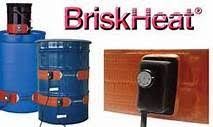
- Materials: Silicone Rubber, Insulated Cloth Jackets, Stainless Steel Sheath Components
- Container Sizes: 5-Gallon Pails to 55-Gallon Drums
- Temperature Range: Ambient to 450°F (232°C)
- Applications: Drum Heating, Viscosity Reduction, Freeze Protection, Heat Maintenance
- Options: Hazardous-Area Rated Models, Plug-and-Play Systems, Custom Heater Configurations
***Please Note: all items have a minimum of at least 3 week lead time.

| Product Type | Primary Application | Container Compatibility | Temperature Capability | Construction Material |
|---|---|---|---|---|
| Silicone Rubber Drum Heaters | Viscosity Reduction | Metal & Plastic Drums | Up to 450°F | Silicone Rubber |
| Insulated Drum Heating Jackets | Full Coverage Heating | 5 to 55 Gallon Drums | Variable Control | Insulated Cloth & Heating Elements |
| Heating Tapes | Pipe & Surface Heating | Industrial Equipment | High Temperature | Silicone Rubber / Cloth |
| Heating Cords | Freeze Protection | Pipes & Small Surfaces | Controlled Heating | Flexible Heating Cable |
| Band & Nozzle Heaters | Cylindrical Surface Heating | Nozzles & Machinery | High Temperature | Metal Sheath Construction |
| Temperature Controllers | Heat Regulation | All Heating Systems | Programmable Control | Electronic Components |
Drum and Pail Heating Configurations
BriskHeat® viscosity control systems are available in multiple heater configurations designed for specific container geometries and material handling requirements. Silicone rubber drum band heaters wrap around the circumference of drums or pails to apply direct conductive heat to the container wall. Full-coverage insulated drum jackets provide more uniform thermal distribution by surrounding a larger surface area while minimizing heat loss to the surrounding environment. Heating tapes and cords are commonly used for localized heating applications, including valves, transfer lines, nozzles, and dispensing systems. These configurations are selected based on material viscosity, target temperature, container size, and operating environment.
Material Engineering and Heating Construction
Industrial drum heaters utilize flexible silicone rubber heating elements designed to withstand exposure to oils, chemicals, moisture, and repeated thermal cycling. Silicone rubber construction allows the heater to maintain flexibility while providing uniform heat transfer across metal or plastic drum surfaces. Insulated cloth jackets incorporate thermal insulation layers that improve heat retention and reduce energy loss during continuous operation. Stainless steel sheath cartridge heaters and band heaters are engineered for high-temperature industrial applications requiring concentrated heat transfer to cylindrical surfaces or processing equipment. Grounded heating elements are integrated into many systems to improve operational safety and reduce electrical hazards. Temperature Control and Safety Systems Temperature regulation is a critical factor in viscosity control applications involving waxes, resins, surfactants, oils, and chemical compounds. BriskHeat® systems are compatible with adjustable temperature controllers that regulate heating output to maintain consistent process temperatures. Certain models support temperatures up to 450°F (232°C), allowing controlled heating of high-viscosity materials. Hazardous-area rated heaters are available for industrial environments where flammable vapors or combustible materials may be present. These systems are engineered to comply with industrial electrical safety standards for classified operating areas
Industrial Applications and Process Uses
Drum and pail heaters are used across multiple industries where thick materials require controlled heating for pumping, pouring, or mixing operations. In chemical processing facilities, heaters are commonly applied to surfactants, solvents, catalysts, and specialty compounds that increase in viscosity during storage. Food manufacturing operations use drum heaters for honey, syrups, fats, and oils that require warming prior to transfer or packaging. Biodiesel production and lubricant handling applications often utilize drum heaters to improve flow characteristics during cold-weather operations. Wax processing, resin handling, and grease storage applications also require controlled heating systems to maintain workable material consistency.
Selection Criteria for Drum Heating Systems
Selecting the correct viscosity control system requires evaluation of several technical factors, including container material, target operating temperature, material sensitivity, and environmental conditions. Plastic drums require controlled heating systems with lower surface temperatures to prevent container distortion, while steel drums can tolerate higher heat transfer rates. Materials sensitive to overheating may require insulated full-coverage jackets combined with precision temperature controllers to minimize scorching or degradation. Hazardous-area environments may require explosion-resistant or classified heating systems. Buyers should also consider voltage requirements, watt density, heating coverage area, and continuous-duty operating conditions when specifying industrial drum or pail heaters.
EXAMPLES OF MATERIALS STORED IN DRUMS
BayTec Containers BriskHeat®

